

Summary
Managed by the Superior National Forest, this concrete dam serves primarily for recreational purposes, including fish and wildlife pond management, navigation, and recreation. Completed in 1975, Prairie Portage stands at a height of 10 feet and has a storage capacity of 3163 acre-feet, with a normal storage level of 2500 acre-feet.
Despite its low hazard potential, Prairie Portage undergoes regular inspections every 10 years to ensure its structural integrity. With a moderate risk assessment rating of 3, ongoing risk management measures are put in place to mitigate any potential issues. The dam has a spillway type of uncontrolled, and its surrounding area covers a drainage area of 230 square miles. The Prairie Portage structure continues to be a vital resource for water management and recreation in the region, reflecting the dedication of the Forest Service in its operation and maintenance.
Regional Streamflow Levels
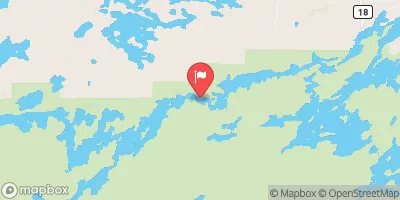 Kawishiwi River Near Ely
|
1770cfs |
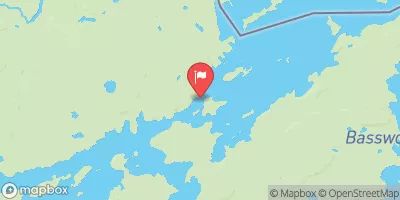 Basswood River Near Winton
|
6310cfs |
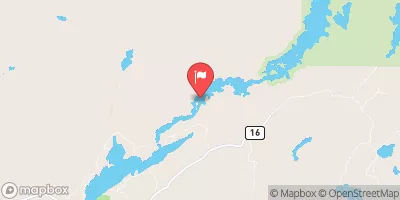 South Kawishiwi River Near Ely
|
4460cfs |
 South Kawishiwi R Abv White Iron Lake Nr Ely
|
7110cfs |
 Vermilion River Nr Crane Lake
|
1610cfs |
15-Day Long Term Forecast
Year Completed |
1975 |
Dam Length |
108 |
Dam Height |
10 |
River Or Stream |
SUCKER CHAIN |
Primary Dam Type |
Concrete |
Hydraulic Height |
13 |
Drainage Area |
230 |
Nid Storage |
3163 |
Structural Height |
10 |
Hazard Potential |
Low |
Foundations |
Rock |
Nid Height |
13 |
Seasonal Comparison
5-Day Hourly Forecast Detail
Dam Data Reference
Condition Assessment
SatisfactoryNo existing or potential dam safety deficiencies are recognized. Acceptable performance is expected under all loading conditions (static, hydrologic, seismic) in accordance with the minimum applicable state or federal regulatory criteria or tolerable risk guidelines.
Fair
No existing dam safety deficiencies are recognized for normal operating conditions. Rare or extreme hydrologic and/or seismic events may result in a dam safety deficiency. Risk may be in the range to take further action. Note: Rare or extreme event is defined by the regulatory agency based on their minimum
Poor A dam safety deficiency is recognized for normal operating conditions which may realistically occur. Remedial action is necessary. POOR may also be used when uncertainties exist as to critical analysis parameters which identify a potential dam safety deficiency. Investigations and studies are necessary.
Unsatisfactory
A dam safety deficiency is recognized that requires immediate or emergency remedial action for problem resolution.
Not Rated
The dam has not been inspected, is not under state or federal jurisdiction, or has been inspected but, for whatever reason, has not been rated.
Not Available
Dams for which the condition assessment is restricted to approved government users.
Hazard Potential Classification
HighDams assigned the high hazard potential classification are those where failure or mis-operation will probably cause loss of human life.
Significant
Dams assigned the significant hazard potential classification are those dams where failure or mis-operation results in no probable loss of human life but can cause economic loss, environment damage, disruption of lifeline facilities, or impact other concerns. Significant hazard potential classification dams are often located in predominantly rural or agricultural areas but could be in areas with population and significant infrastructure.
Low
Dams assigned the low hazard potential classification are those where failure or mis-operation results in no probable loss of human life and low economic and/or environmental losses. Losses are principally limited to the owner's property.
Undetermined
Dams for which a downstream hazard potential has not been designated or is not provided.
Not Available
Dams for which the downstream hazard potential is restricted to approved government users.
Area Campgrounds
| Location | Reservations | Toilets |
|---|---|---|
 campsite1 - Birch
|
||
 BSA Northern Tier Charles L Sommers Canoe Base
|
||
 Tofte Lake
|
||
 Ojibway and Triangle Lakes
|
||
 Glacier Pond 2
|
||
 Fall Lake Campground
|
Nearby Reservoirs
 Summer Home Road Lake County
River Runs
-
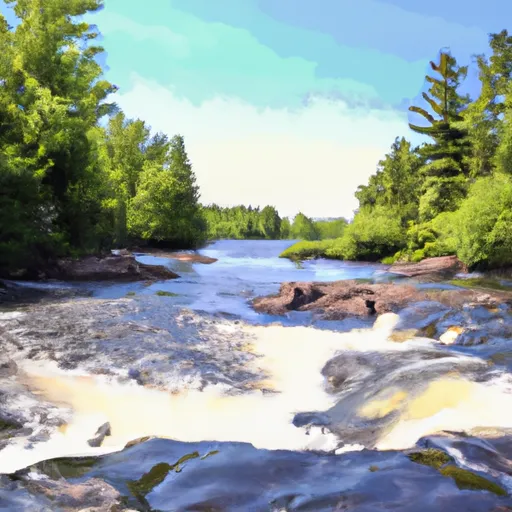 North Temperance Lake In T63N, R4W To Bwcaw Boundary In T62N, R4W
-
 Bwcaw Boundary To Confluence With Plouff Creek
-
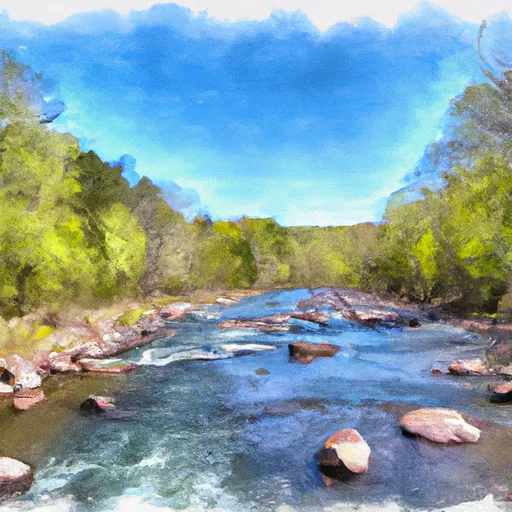 Confluence With Plouff Creek To Lake Superior In T59N, R4W
-
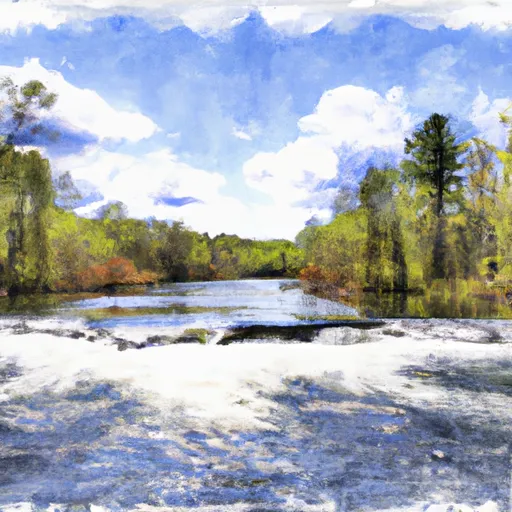 Horshoe Lake In T64N, R1W To Bwcaw Boundary
-
 Wolf Bay Of Lake Vermilion To Section 26, T65N, R17W
-
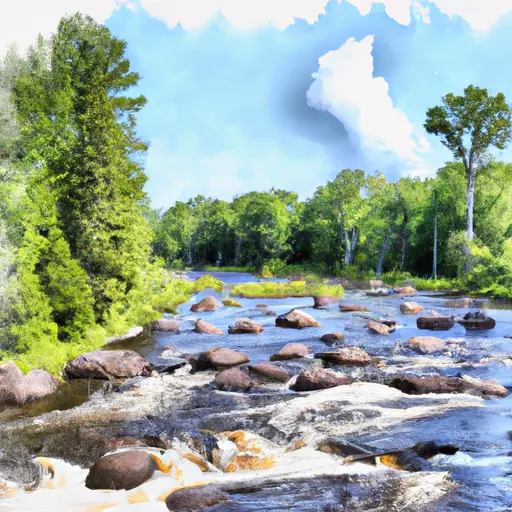 Section 31, T66N, R17W To Crane Lake
 Basswood Lake
 Glacier Pond 1
 Alruss Lake
 Beartrap River
 August Lake
 Continue with Snoflo Premium