Sorenson Pond Dam

Sorenson Pond
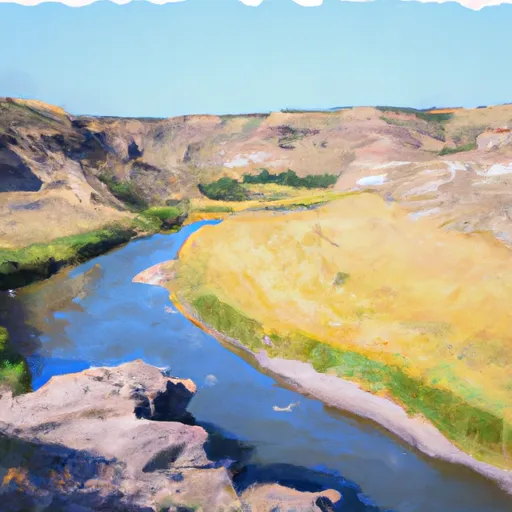
Sorenson Pond, located in McKenzie County, North Dakota, is a privately owned water supply reservoir with a storage capacity of 70 acre-feet. The dam at Sorenson Pond stands at a height of 24 feet, providing significant hazard potential. While the condition of the dam is currently not rated, it is regulated by the North Dakota State Water Commission and undergoes regular inspections, enforcement, and permitting to ensure its safety and compliance.
Designed by JMAC Resources Inc, Sorenson Pond serves as a vital water source for the surrounding area. With a surface area of 4.2 acres, the pond plays a crucial role in meeting water supply needs. Although the dam's construction year and specific design details are not provided, its primary purpose is clear: water supply. Despite not having a designated spillway type or outlet gates listed, the pond's location within the St. Paul District indicates its importance in the region's water resource management.
Water resource and climate enthusiasts will find Sorenson Pond to be an intriguing case study in dam safety and water supply management. With its significant hazard potential and state-regulated status, the pond underscores the importance of regular inspections, enforcement, and emergency preparedness for maintaining the integrity of critical water infrastructure. As a privately owned facility, Sorenson Pond highlights the diverse ownership and regulatory landscape of water resources in North Dakota, serving as a reminder of the complex interplay between water supply, dam safety, and environmental stewardship in the face of changing climate conditions.
Plan around the weather
Same NOAA / yr.no feed Snoflo's iOS app uses. Watch the precipitation column on the meteogram -- rain on the basin upstream typically lifts inflow 24-72 hours later.
Next 5 days, hour by hour
Temperature line with weather symbols on top, snow + rain accumulation as columns, humidity as a dotted line.
5-day forecast table
Every 3 hours, broken out across temperature, snow, rain, humidity, and wind. Each cell is colour-coded relative to the column min/max.
| Time | Condition | Temp (°F) | Snow (in) | Rain (in) | Humidity (%) | Wind (mps) | Wind dir |
|---|---|---|---|---|---|---|---|
| Loading detailed forecast… | |||||||
15-day temperature & precipitation
Daily temperatures, snow, and rain projected over the next two weeks.
Nearby streamflow gauges
USGS streamgauges around Sorenson Pond -- inflows here typically show up in storage 24-72 hours later.
| Streamgauge | Discharge | View |
|---|---|---|
| Little Missouri River Nr Watford City | 4 cfs | → |
| Bear Den Creek Nr Mandaree | 0 cfs | → |
| Charbonneau Creek Nr Charbonneau | 0 cfs | → |
| Little Muddy River Bl Cow Creek Nr Williston | 3 cfs | → |
| White Earth River At White Earth | 3 cfs | → |
| E. Fork Shell Creek Nr Parshall | 2 cfs | → |


About Sorenson Pond
Where does the data for Sorenson Pond come from?
Structural and regulatory data come from the U.S. Army Corps of Engineers' National Inventory of Dams (NID). Weather forecast comes from NOAA / yr.no -- the same feed Snoflo's iOS app uses.
How often is the report updated?
NID structural data refreshes annually as the Corps publishes updated assessments. The weather forecast refreshes throughout the day.
What does the Significant hazard rating mean?
The Corps of Engineers' hazard potential classification grades probable consequences if the dam fails: High = probable loss of human life; Significant = no probable loss of human life but possible economic loss / environmental damage; Low = no probable loss of human life, only minor economic / environmental losses. See the Dam Data Reference card below for the full definitions.
What's "% of normal"?
The current storage value compared to the historical average storage on this calendar day. 100% = right on average; values above 100% mean above-normal storage (wet year); values below mean below-normal (dry year or drought).
Can I get alerts when storage crosses a threshold?
Yes -- alerts are managed in the Snoflo iOS app. Favorite this dam, set a threshold, and you'll get a push the moment conditions cross.
Dam data reference
Condition Assessment
- Satisfactory
- No existing or potential dam safety deficiencies are recognized. Acceptable performance is expected under all loading conditions (static, hydrologic, seismic) in accordance with the minimum applicable state or federal regulatory criteria or tolerable risk guidelines.
- Fair
- No existing dam safety deficiencies are recognized for normal operating conditions. Rare or extreme hydrologic and/or seismic events may result in a dam safety deficiency. Risk may be in the range to take further action.
- Poor
- A dam safety deficiency is recognized for normal operating conditions which may realistically occur. Remedial action is necessary. POOR may also be used when uncertainties exist as to critical analysis parameters which identify a potential dam safety deficiency.
- Unsatisfactory
- A dam safety deficiency is recognized that requires immediate or emergency remedial action for problem resolution.
- Not Rated
- The dam has not been inspected, is not under state or federal jurisdiction, or has been inspected but, for whatever reason, has not been rated.
Hazard Potential Classification
- High
- Dams assigned the high hazard potential classification are those where failure or mis-operation will probably cause loss of human life.
- Significant
- Dams assigned the significant hazard potential classification are those dams where failure or mis-operation results in no probable loss of human life but can cause economic loss, environmental damage, disruption of lifeline facilities, or impact other concerns. Significant hazard potential classification dams are often located in predominantly rural or agricultural areas but could be in areas with population and significant infrastructure.
- Low
- Dams assigned the low hazard potential classification are those where failure or mis-operation results in no probable loss of human life and low economic and/or environmental losses. Losses are principally limited to the owner's property.
- Undetermined
- Dams for which a downstream hazard potential has not been designated or is not provided.