Mary's Lake Fishing
Community Reviews
Been here? Share the conditions.
Reviews, ratings & photos are added in the free Snoflo iOS app — rate a spot, tag the conditions, and your visit is verified by location. Add or manage your reviews from the app.
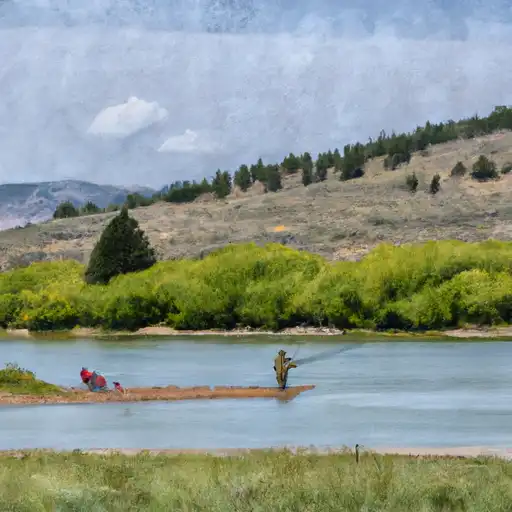
Mary's Lake
Aside from fishing, visitors can enjoy various activities such as hiking, camping, and wildlife viewing. The lake is also situated near several other popular fishing spots in the Uinta Mountains, including Mirror Lake and Trial Lake.
For successful fishing, it's recommended to use small lures or flies, and to fish near the edges of the lake where the water is cooler. Early morning and late afternoon are the best times to fish, and it's important to pay attention to weather conditions as fish are more active in cooler temperatures.
The best time to visit Mary's Lake for fishing is during the summer months of June through August when the lake is accessible and the weather is mild. The average temperature during this time of year is around 70-80°F during the day and drops to 40-50°F at night. It's important to note that the lake may be inaccessible during the winter months due to snow and ice.
What's biting at Mary's Lake
Species commonly reported here -- tap any card for techniques, target seasons, and other waters where it's been caught.
Plan your trip down to the hour
Same weather feed Snoflo's iOS app uses -- updated continuously from NOAA / yr.no.
Next 5 days, hour by hour
Temperature line with weather symbols on top, snow + rain accumulation as columns, humidity as a dotted line.
5-day forecast table
Every 3 hours, broken out across temperature, snow, rain, humidity, and wind. Each cell is colour-coded relative to the column min/max so trends jump out at a glance.
| Time | Condition | Temp (°F) | Snow (in) | Rain (in) | Humidity (%) | Wind (mps) | Wind dir |
|---|---|---|---|---|---|---|---|
| Loading detailed forecast… | |||||||
15-day temperature & precipitation
Daily temperatures, snow, and rain projected over the next two weeks. Hover any point for the full breakdown.
Nearby streamflow
USGS streamgauges within reach of Mary's Lake -- updated continuously from the National Water Information System.
| Streamgauge | Discharge | View |
|---|---|---|
| Ephraim Tunnel Near Ephraim | · | → |
| Ferron Creek (Upper Station) Near Ferron | 11 cfs | → |
| Ferron Cr Bl Millsite Res & Divs Nr Ferron | · | → |
| Manti Creek Below Dugway Creek | 4 cfs | → |
| Muddy Creek Near Emery | 6 cfs | → |
| Salina Creek Near Emery | 3 cfs | → |
Plan a longer trip
The closest campgrounds, parks, boat launches, and reservoirs so a fishing run can grow into a weekend.
Campgrounds
- Upper Joes Valley Campground
- Joes Valley Campground
- Joes Valley - Seely
- Orange Olsen Dwelling
- Orange Olsen Cabin
- Joes Valley Pavilion Group Campground
Parks
- State Wildlife Area Bald Mountain
- Mainti Face State Wildlife Area
- Snow College Sports Complex
- White Hills State Wildlife Area
- State Wildlife Area 6-Mile
- Manti City Park
Reservoirs
Angling safety & ethics
- Know the regulations
- Check local fishing rules, seasons, size limits, and license requirements to ensure legal and sustainable angling.
- Handle fish responsibly
- Use wet hands, minimize air exposure, and release fish gently to improve survival rates when practicing catch-and-release.
- Choose the right gear
- Match your rod, line, and tackle to the species and conditions to increase success and reduce unnecessary harm to fish.
- Respect the waterway
- Avoid disturbing habitat, prevent bank erosion, and keep a safe distance from spawning areas to protect ecosystems.
- Keep it clean
- Pack out all line, hooks, bait containers, and trash. Discarded gear can injure wildlife and degrade waterways.
Set push alerts in the Snoflo app
Save Mary's Lake as a favorite, set a custom threshold (water temperature, streamflow, snowpack), and the iOS app will push the moment conditions cross.
About Mary's Lake
What fish species are found at Mary's Lake?
Snoflo tracks the species commonly reported at Mary's Lake -- see the Fish Species panel above for the live list with images and links to per-species pages.
How fresh is the weather data on this page?
The hourly forecast updates throughout the day from the NOAA / yr.no public feeds. Streamflow data comes live from USGS streamgauges, also refreshed continuously.
Can I get alerts when conditions change?
Yes -- alerts are managed through the Snoflo iOS app. Favorite this area, set a threshold (water temperature, streamflow, snowpack), and you'll get a push the moment it crosses.
Do I need a fishing license?
Yes. Check your state agency's regulations for license requirements, seasons, size limits, and any waterbody-specific rules before fishing Mary's Lake.
How do I get to Mary's Lake?
Tap Open in map in the hero above to center the Snoflo interactive map on this area, or grab the coordinates from the location facts panel.
Other angling spots near here
Snoflo-tracked fishing areas within driving distance of Mary's Lake.
Get alerted when your water hits fishable flows.
Snoflo Premium adds unlimited flow and temperature alerts, 15-day outlooks, and years of seasonal context on every fishery.