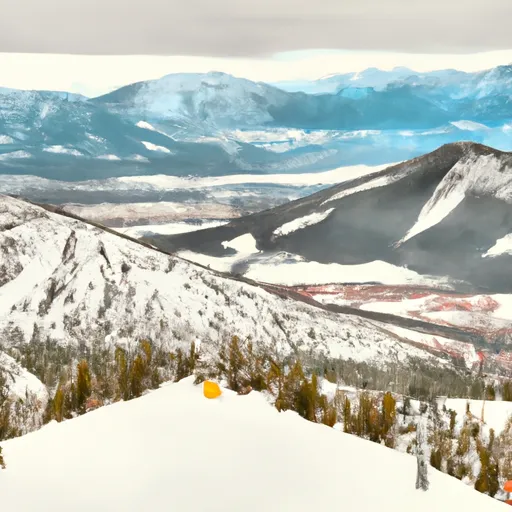
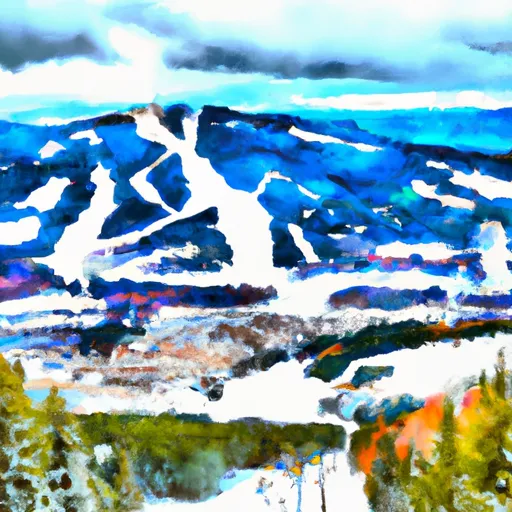
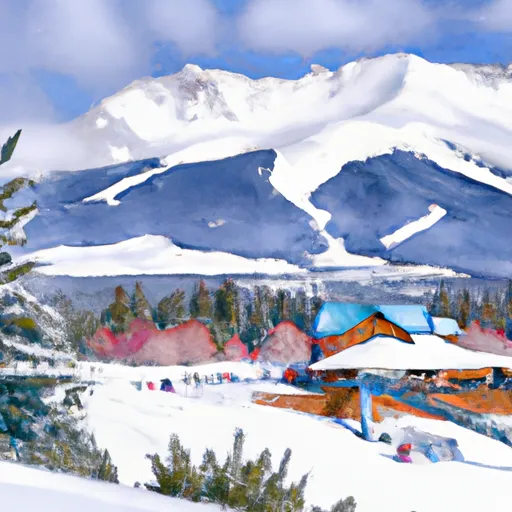
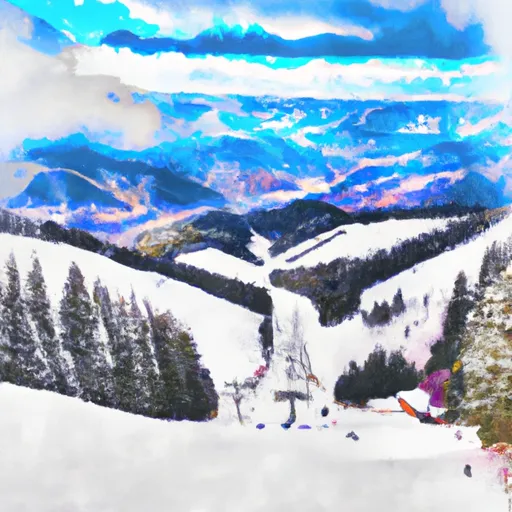
MONTANA SKI REPORT

Last Updated: November 18, 2025

{u'flow_florida': u"Florida's streamflow conditions exhibit significant variability throughout the state, with several locations reporting below-average flow rates. The St. Johns River, a major waterway, shows a current streamflow of 8420 cfs at Astor, which is only 47.82% of its normal flow, indicating a flow drought situation that could impact ecosystems and water supply. Notably, the river's flow near Cocoa is as low as 2250 cfs, a mere 31.52% of the average. In contrast, the Cedar River at San Juan Ave in Jacksonville experienced an extraordinary increase in streamflow, jumping by 405.99% in the last 24 hours to 169 cfs, though it remains below the norm at 9.1%. Such sharp rises are critical to monitor for potential flooding impacts in urban areas.\n\nFor river enthusiasts, the diverse conditions across Florida's water bodies are of particular interest. Whitewater adventurers should note that the Econlockhatchee River near Oviedo is well below average at -34.96% normal flow, impacting recreational activities. Additionally, the Ocklawaha River at Rodman Dam saw a significant streamflow increase of 28.47% in the last day, yet it still falls below normal flow rates. Similarly, popular kayaking spots like the Withlacoochee River are experiencing low levels, with the gage height near Nobleton at a concerning 38.74 feet, indicating -62.57% of its typical flow. In summary, Florida's rivers and streams are currently facing a mix of flow conditions, with several areas under watch for low flows and others experiencing notable increases that could signal flooding, highlighting the need for continuous monitoring and awareness for all water-related activities.", u'reservoir': u"Across the nation, dams and reservoirs play a critical role in water management, providing vital resources for agriculture, hydroelectric power, and drinking water. However, their storage levels can fluctuate dramatically due to various factors such as precipitation patterns, consumption rates, and environmental policies. Currently, the dataset indicates a mix of surpluses and deficits in reservoir storages compared to historical averages, reflecting the dynamic and often unpredictable nature of water resources.\n\nNotable reservoirs experiencing significant deviations include Lake Powell in Arizona with storage levels at less than half of historical averages, indicating prolonged drought conditions. Meanwhile, California's Lake Almanor and New Melones Reservoir show storage levels that have exceeded their historical averages, potentially due to heavy rainfall or snowpack melt in these regions. These variations underscore the complex interplay between natural hydrological cycles and human activities that influence water availability in reservoirs and dams across the country.\n\nIn summary, while some reservoirs are brimming, surpassing their usual capacities, others are facing stark deficits, a reflection of the diverse climatic and environmental factors at play. As such, water management strategies must continue to adapt to these changing conditions to ensure the sustainable use of this precious resource.", u'snow_kentucky': u"As there is no specific snow data provided for Kentucky, I cannot generate an accurate snow report. Please provide relevant snowfall, snowpack, or forecast data for an objective analysis tailored to the needs of residents and visitors in Kentucky's affected areas.", u'flow_kentucky': u"Kentucky river enthusiasts should note an overarching decline in streamflow across many rivers, with several gauging stations reporting levels significantly below normal, potentially affecting recreational activities and water resources management. For instance, Tug Fork at Williamson reports a streamflow of 161 cubic feet per second (cfs), a 78.08% decrease from normal, while the South Fork Kentucky River at Booneville shows a concerning 82.37% reduction with a flow of 121 cfs. This trend of decreased streamflow is echoed in other rivers such as the Little Sandy River at Grayson, currently at 338 cfs, down by 39.94%. Conversely, the Barren River at Bowling Green maintains a stable condition, flowing at 3320 cfs which is a near-normal level.\n\nHowever, the North Fork Kentucky River at Hazard exhibited an exceptional surge of 191.24% in the last 24 hours, reaching a flow of 399 cfs, which may signal flash flooding potential. Similarly, the South Fork Cumberland River near Stearns experienced a significant increase of 128.6%, now at 195 cfs. In contrast, the Ohio River at Cannelton Dam and Old Shawneetown observes a decrease and an increase in streamflow respectively, with notable measurements of 31000 cfs (a 38.98% drop) and 259000 cfs (a 21.89% increase). These fluctuations highlight the dynamic nature of Kentucky's river systems, which can impact whitewater trails, such as those along Rockcastle River, now at a low 120 cfs, down by 80.47%. Residents in cities along the Licking River, such as Blue Lick Springs and Catawba, should be attentive to the 3120 cfs and 3460 cfs flows, which are closer to normal levels but still call for careful monitoring for any sudden changes.", u'flow_arizona': u"Arizona's rivers and streams exhibit diverse streamflow trends that are crucial for enthusiasts tracking seasonal patterns, potential flooding, and flow droughts. Currently, the Colorado River at Lees Ferry, a vital location for water recreation and supply, registers a streamflow of 8,910 cubic feet per second (cfs), which is below the normal range by approximately 14%. In contrast, the Virgin River at Littlefield has spiked dramatically, showing a substantial increase of 373.94%, with a flow of 673 cfs, indicative of potential flooding conditions for nearby areas. Similarly, the Virgin River above the Narrows near Littlefield has surged to 542 cfs, a striking 491.7% change from the previous day, signifying an abnormal increase that could impact local tributaries and whitewater conditions. The Little Colorado River near Desert View, a tributary impacting the Grand Canyon's ecology, maintains a near-normal flow, though slightly below the average at 213 cfs.\n\nFocusing on the Gila River Basin, the flow at Kelvin is notably above the norm at 147 cfs, 231.53% of the usual streamflow, likely affecting downstream regions such as the Safford Valley and agricultural canals like the Florence-Casa Grande Canal which is also experiencing a mild increase in streamflow. Meanwhile, the Salt River, a key waterway for Phoenix and a popular whitewater trail near Roosevelt, is experiencing a 26.11% increase in streamflow with 250 cfs, which could signal a moderate rise in water levels for downstream communities. Overall, the reported streamflows suggest varied conditions across Arizona's watercourses, with certain areas like the Virgin River experiencing dramatic increases that warrant attention for potential flooding, while other regions maintain near-normal or slightly elevated levels that could influence recreational activities and water management strategies.", u'flow_new-mexico': u"The streamflow conditions in New Mexico's river systems display a complex picture of variability, with certain areas experiencing below-normal flows and others significantly exceeding average streamflow levels. The Rio Grande, a crucial waterway for the region, shows a mix of decreased streamflows at Otowi Bridge (793 cfs, -10.27% normal), Cerro (536 cfs, 78.27% normal), and Isleta Lakes (405 cfs, -46.92% normal), suggesting potential concerns for water availability in these areas. In contrast, the Rio Grande Floodway at San Acacia reports an elevated streamflow of 926 cfs, which is 26.72% above normal, indicating heightened water levels that could affect adjacent communities and potentially impact the San Acacia whitewater trail. Moreover, the Black River at Malaga exhibits an exceptionally high percent of normal streamflow, standing at a remarkable 1164.86%, with a current flow of 1160 cfs, which may be indicative of localized flooding conditions.\n\nIn the northwest, the San Juan River and its tributary, the Animas River, show fluctuating conditions. Near Archuleta, the San Juan River's flow is halved to 50.27% of its normal at 570 cfs, which could impact river activities in that region. On the other hand, downstream at Shiprock, the San Juan River's streamflow is healthier at 1180 cfs, suggesting better conditions for water-based recreation. The Animas River, at Farmington and below Aztec, presents below-average flows (45.4% and 33.84% normal, respectively), which could influence water sports and ecosystem health in these areas. It is essential for river enthusiasts and local residents to remain aware of these varying conditions, as they affect not only recreational opportunities but also water resource management and the potential for drought or flood events.", u'snow_report_bear-lake': u'Bear Lake, Colorado, is currently experiencing minimal winter activity, with no new snowfall recorded in the past 24 hours and a modest snowpack depth of just 2 inches at 9,500 feet elevation. The air temperature is relatively mild at 43\xb0F, contributing to a continued decline in snowpack, which is now 81.57% below the seasonal average for the Big Thompson Watershed. Forecasts show no additional snow expected in the next 72 hours, though a minimal 1-inch accumulation is possible over the next 120 hours. Overall, snow conditions remain far below typical levels for early winter, and outdoor enthusiasts heading to the Bear Lake area should prepare for bare or patchy trails rather than fresh powder.\n\nVisitors should also be mindful of ongoing conditions in Rocky Mountain National Park, where Trail Ridge Road remains closed for the season, and prescribed burns near US 36 will temporarily restrict access in some areas. These closures may affect traffic and access routes to Bear Lake, so checking for real-time park alerts is recommended. While this might not be an ideal week for snowshoeing or backcountry skiing, the mild weather and scenic trails still offer opportunities for winter hiking and photography in this breathtaking high-alpine environment.', u'flow_virgin-islands': u"As of the latest data for the Virgin Islands, there has been a significant variation in the streamflow patterns across the region, which are of considerable interest to both water enthusiasts and conservationists. The Virgin Islands, renowned for their aesthetic beauty and ecological significance, have experienced fluctuations that are noteworthy for their potential impacts on local ecosystems, water resources, and recreational activities. The islands do not have major rivers as seen on continental landmasses, but they do possess a network of streams and guts that can exhibit rapid changes in flow due to the region's tropical climate and susceptibility to storm events.\n\nOn St. Thomas, the streamflow measurements within the Turpentine Run watershed, a critical area for runoff management, have indicated an above-average flow during the recent wet season, with peak flows reaching up to 200 cubic feet per second (cfs), significantly higher than the median flow for this time of year. This suggests a heightened risk of localized flooding, particularly in low-lying areas such as the Charlotte Amalie harbor. Conversely, St. John's Fish Bay gut has recorded lower than average streamflows, suggestive of a flow drought, which could affect freshwater availability and the health of local aquatic habitats. Moreover, the increased streamflow variability on St. Croix, particularly around the Great Pond area, has implications for both the island's freshwater supply and the health of its extensive mangrove systems. Recreational users, such as kayakers and ecotourists, who frequent the Great Pond for its rich biodiversity, should remain aware of these changes as they could affect access and safety on the water. While the Virgin Islands do not have whitewater trails due to their topography, these fluctuations in streamflow are critical for residents and visitors to monitor for their implications on water resource management and the overall health of the islands' fragile ecosystems.", u'ski_las-vegas-ski-&-snowboard-resort': u'Fresh excitement is building at Las Vegas Ski & Snowboard Resort as early-season snow continues to transform Lee Canyon into a winter playground. After a mild overnight low of 33.8\xb0F, the snowpack currently sits at 2 inches\u2014about 42% of the seasonal average\u2014but skiers and snowboarders can look forward to a promising week ahead. The five-day forecast calls for up to 6 inches of new snow, with 1.64 inches expected in the next 24 hours and over 6 inches projected in the next 72 hours. While coverage remains light, recent snowfall and consistent cold temperatures are helping to build a solid base, and snowmaking operations are underway to supplement natural accumulation.\n\nThe resort\u2014fresh off a weekend celebration marking the earliest season opening in 13 years\u2014is buzzing with energy, bolstered by a series of exciting developments. A massive $35 million upgrade aims to transform Lee Canyon into a year-round destination, and recent high-profile visits, including Tom Brady\u2019s rumored recruiting ski trip, have turned heads. Despite a recent avalanche scare, all four individuals involved were safely recovered, and resort safety protocols remain robust. With 27 inches falling in the last three days and more snow on the way, Lee Canyon is carving out a stellar start to the 2025-2026 season.', u'flow_oregon': u'The state of Oregon has seen varied streamflow conditions across its rivers and watersheds, with certain areas experiencing abnormally low flows indicative of flow droughts, and others nearing flood levels. For water enthusiasts, it is important to note that popular destinations such as the Rogue River near Grants Pass and Agness, as well as the McKenzie River near Vida, have seen streamflow changes. The Rogue River at Grants Pass currently has a flow of 1580 cubic feet per second (cfs), which is below normal, potentially impacting whitewater recreation. Conversely, the Illinois River near Kerby has a streamflow of 772 cfs, a significant increase that could hint at potential flooding, bringing it 12.77 percent above normal.\n\nThe South Umpqua River at Tiller is experiencing a severe low flow of just 117 cfs, signaling a 79.51 percent drop from average levels and suggesting possible ecological impacts. Furthermore, the Clackamas River, a favorite for whitewater kayaking, is flowing at 1120 cfs near Estacada, which is less than half its normal rate. Key cities along these rivers, including Grants Pass, Klamath Falls, and Corvallis, may see effects on water supply and recreation. The Willamette River, a major waterway in Oregon, is also experiencing lower than average flow; at Corvallis, the flow is 5020 cfs, a 39.18 percent decrease from typical levels. Overall, rivergoers and stakeholders are urged to monitor local water conditions and advisories, as the dynamic changes in streamflows across Oregon\u2019s diverse river systems could impact recreational activities, water resources, and habitat health.', u'warn_mississippi': u'Residents of Mississippi, particularly in the south central, southeast, and southwest regions, including the counties of Hancock, Harrison, and Jackson, should exercise caution this morning due to a Dense Fog Advisory in effect until 9 AM CST. The National Weather Service reports visibility dropping to a quarter mile or less, making driving conditions hazardous. Those near active or smoldering fires may experience even lower visibilities, near zero. Motorists are advised to drive with headlights on, maintain a safe distance from other vehicles, and allow extra time to reach your destination safely.', u'reservoir_iowa': u"In the latest observations of Iowa's major dams and reservoirs, there are notable variances from the average storage levels, which are key to understanding the current water resource management situation in the state. The measurements, taken on November 18, 2025, show that most water bodies are experiencing a slight decrease in gage height compared to their averages. For instance, Clear Lake at Clear Lake shows a current gage height of 4 feet, which is marginally below its average of 4.52 feet. Similarly, Black Hawk Lake at Lake View, Lake Panorama at Panora, Spirit Lake near Orleans, and West Okoboji Lake at Lakeside Lab near Milford are all registering gage heights slightly lower than their respective averages. Despite these deviations, the differences are within a range that is typically manageable for this time of year. However, Corydon Lake diverges from this pattern, with a significant increase in streamflow, marked at 5 ft\xb3/s, well above its average of 1.96 ft\xb3/s. Rathbun Lake near Rathbun also shows a lower gage height than usual at 904 feet, compared to its average of 906.51 feet.\n\nThese abnormal conditions could be attributed to a variety of environmental factors such as lower precipitation, reduced snowpack, or changes in river flows affecting the inflow and outflow of the reservoirs. Corydon Lake's increased streamflow suggests a possible localized weather event or watershed-specific runoff conditions. On the other hand, the modestly lower levels at other locations may indicate a broader pattern of dry conditions across the region. The implications of these observations are critical for water resource management, environmental conservation, and local water usage policies. It is important to continue monitoring these conditions and cross-referencing with additional data sources such as satellite imagery, weather station reports, and hydrological models to ensure a comprehensive understanding of the water dynamics in Iowa's reservoirs and dams. Accurate and timely data is essential for making informed decisions to address the potential impacts of these abnormal conditions on agriculture, ecosystems, and the water supply for communities across the state.", u'snoflo_news': u'- **Severe Weather Alerts**:\n - Flash flood threats loom over Southern California as persistent rainfall prompts flood watches until early Wednesday morning, with potential for rapid flooding and landslides.\n - Northern New England experiences significant snowfall with parts of the region receiving up to 10 inches this weekend, impacting travel and outdoor activities.\n\n- **Wildfires and Mitigation**:\n - The Concord wildfire near Talladega, Alabama, is contained, but heavy smoke and reduced visibility remain issues for local communities.\n - In North Georgia, near record heat and dry air elevate wildfire risks, with several active fires reported across the state including Fultondale and Avery County near Banner Elk.\n\n- **Avalanche Warnings**:\n - The Bridgeport Avalanche Center and Gallatin NF Avalanche Center amongst others issue travel advice to watch for signs of unstable snow, such as recent avalanches and cracking, and to avoid traveling on or under similar slopes. \n\n- **Hydrology Concerns**:\n - Reservoir levels and river flows across multiple states show variations with some nearing average levels while others, like San Carlos Reservoir in Arizona, display significantly lower storage than average, indicating potential water resource concerns.\n \n- **Natural Disaster Responses**:\n - U.S. Army Corps of Engineers reflects on a record-breaking mission dealing with wildfire debris, underscoring the scale of wildfire impact.\n - FEMA leadership change occurs months after deadly Texas floods, highlighting the ongoing challenges in disaster response and relief efforts.\n\n- **Insurance and Infrastructure**:\n - Communities implementing wildfire risk reduction measures seek corresponding reductions in insurance bills, addressing the financial impacts of natural disasters.\n - A Queens, NY neighborhood feels neglected in the face of flood resilience building elsewhere, raising questions about equitable disaster mitigation.\n\n- **National Reaction and Assistance**:\n - Nationwide, communities and businesses send aid to hurricane-hit areas like Jamaica and Haiti in the aftermath of Hurricane Melissa, demonstrating a united front in disaster assistance.\n - Federal and local authorities announce additional funds and programs aimed at flood relief and hurricane damage repair, such as in Travis County and Tampa, signifying continued support for affected residents. \n\nPlease note, the above points have been curated for brevity and relevance to the most impactful and newsworthy matters related to severe weather, hydrology, wildfires, avalanches, and natural disaster responses in the United States as of the latest data points and bulletins.', u'ski_stats': u'breckenridge', u'ski_beaver-creek-resort': u'Winter is inching closer to Beaver Creek Resort, but as of today, November 18, 2025, the mountain remains in a holding pattern. With overnight temperatures dipping to 28\xb0F, snowmaking operations continue in earnest, although Mother Nature has yet to lend a generous hand. Current snowpack sits at a mere 1 inch, a staggering 87% below average for this time of year. The Snow Water Equivalent (SWE) is only 0.3", indicating minimal moisture content and dry conditions across the slopes. Fortunately, forecasts show a glimmer of hope: light snowfall is anticipated over the next 72 hours (0.35"), with a full inch possible over the next 5 days\u2014just enough to start building a skiable base.\n\nWhile the lifts remain dormant, anticipation builds for the official winter opening on November 27. In the meantime, Beaver Creek is generating buzz as a cozy alpine escape and one of the Vail Valley\u2019s best-kept secrets. Recent upgrades, including renovations to the Park Hyatt Beaver Creek Resort and Spa, promise an elevated apr\xe8s-ski experience once the season begins. With Thanksgiving around the corner and limited ski options across Colorado, Beaver Creek is preparing to welcome guests with pristine charm\u2014just as soon as the snow arrives.', u'snow_report_trial-lake': u'Trial Lake, located at an elevation of 9,991 feet in Utah\u2019s Uinta Mountains, recorded 3 inches of new snowfall in the last 24 hours, bringing the current snowpack depth to 9 inches. Although any fresh snow is welcome, this level represents just 28.57% of the seasonal average for this time of year, signaling a notably dry early winter. With no additional snow forecast in the next 120 hours and current air temperatures hovering around 34\xb0F, conditions may not be favorable for significant snow accumulation in the coming days. The low snowpack level could impact backcountry travel and early-season recreation plans in the Provo watershed area.\n\nRecent regional weather patterns, including a low-pressure system sweeping through Utah, have triggered winter weather advisories in southern parts of the state, according to the National Weather Service via ABC4 Utah. While Trial Lake has not been directly affected by these advisories, the system contributed to light snowfall and slick mountain roads\u2014conditions highlighted in local reports from ABC4 Utah. Outdoor enthusiasts heading to Trial Lake should prepare for variable trail conditions, with muddy or icy patches likely as daily temperatures fluctuate above freezing. Scenic views remain a draw, but visitors should keep expectations tempered given the below-average snow levels and lack of incoming storms.', u'snow_new-mexico': u"New Mexico's snowpack remains shallow, with depths ranging from 1 to 3 inches across various locations, except for an outlier at Navajo Whiskey Creek, reporting 190 inches. No recent snowfall has been recorded, but forecasts predict up to 11 inches over the next five days in select high-elevation areas.", u'reservoir_new-york': u"New York's network of dams and reservoirs plays a critical role in water supply, flood control, and recreation. Recent observations indicate that most reservoirs are holding water levels close to their average measurements. For instance, Indian Lake near Indian Lake, NY, is at an elevation of 1645 feet, just an inch below its average of 1645.01 feet, suggesting normal conditions. Similarly, Owasco Lake near Auburn, NY, and Onondaga Lake at Liverpool, NY, are at 711 and 363 feet, respectively, only slightly below their average levels of 711.24 and 363.08 feet. These minor deviations are within typical seasonal fluctuations and do not indicate any immediate concerns for water supply or flood risk.\n\nHowever, some anomalies have been noted. The Skaneateles Lake at Skaneateles, NY, shows a data error with a reading of -999999 for water temperature, which calls for immediate verification and correction. On the other hand, First Lake at Old Forge, NY, is slightly above its average elevation, recording 1706 feet against the normal 1705.6 feet, which could be indicative of higher inflow or reduced outflow management. The Stillwater Reservoir near Beaver River, NY, is somewhat below its average elevation at 1668 feet compared to the usual 1671.99 feet, possibly due to increased demand or less precipitation in the watershed. In Lake George at Rogers Rock, NY, water levels are holding steady at the average of 319 feet. Deviations in water levels can often be attributed to variations in seasonal snowpack melt, river flows, precipitation patterns, and water management practices. These factors require continuous monitoring to ensure the stability and safety of the reservoirs and dams. With the data provided and without additional context such as current weather conditions or management decisions, it is difficult to pinpoint the exact causes of these abnormalities, but they warrant further investigation to maintain the integrity of water resources and infrastructure.", u'snow_new-york': u"New York's recent snow report indicates modest snowfall across the state with Bloomingdale and Long Lake areas receiving up to 2 inches in the last 24 hours. Most regions show minimal snowpack depth, averaging between 1 to 9 inches, with no significant snowfall expected in the coming five days.", u'snow_report_jackman': u'Snowpack conditions in Jackman, Maine, currently remain modest, with a total snowpack depth of 4 inches recorded at the JKMM1 monitoring site at 1,211 feet elevation. No new snowfall has been reported in the past 24 hours, and the short-term forecast continues this dry trend, with 0 inches expected over the next 24, 72, and 120 hours. With current temperatures hovering around 30\xb0F, snowpack retention is steady but slightly below seasonal norms. The snowpack is currently 8.26% below the historical average for this time of year, which may impact some early winter outdoor activities, particularly for backcountry skiers and snowmobilers who frequent the trails in the Upper Kennebec Watershed region.\n\nDespite the limited snow accumulation, Jackman remains a popular destination for cold-weather enthusiasts due to its scenic, remote terrain and proximity to Moose River Valley. Local snowmobile clubs are closely monitoring conditions, though trail grooming may be delayed until deeper snow arrives. While ski touring or snowshoeing on lower elevation trails may be limited, higher terrain and shaded areas may still offer some opportunity. With no significant snow in the near-term forecast, outdoor users should prepare for mixed conditions and check local trail updates to plan accordingly.', u'flow_michigan': u"Michigan's rivers are experiencing varied streamflow conditions, with many reporting below-normal flows. The current trends show that several prominent rivers and their tributaries are experiencing lower-than-average streamflows, which could affect recreational activities and local ecosystems. For example, the Manistee River near Wellston is flowing at 1,470 cubic feet per second (cfs), which is 21.7% less than normal for this time of year. The Muskegon River near Croton is also below average at 1,220 cfs, 38.16% below its typical flow. The Huron River at Ann Arbor has significantly reduced to 107 cfs, a drastic 75.93% below normal. Such conditions are indicative of hydrological deficits that may lead to restrictions on water use and could impact river-based recreation like fishing, kayaking, and whitewater activities.\n\nSeasonal trends indicate a potential for increased streamflow as snowmelt and spring rains contribute to river volumes, but there are concerns over possible flooding in certain areas. The Menominee River, which runs along the border with Wisconsin, shows a dramatic decrease in flow with the Menominee River at Koss reporting 1,560 cfs, a 45.55% reduction. While these lower flows are currently prevalent, water enthusiasts should stay aware of sudden changes that can lead to rapid increases in streamflow. The Grand River at Grand Rapids, a significant watershed in the state, has a reduced current streamflow of 1,470 cfs, 57.39% below normal, but an increase could affect nearby cities. For those interested in whitewater trails, the Au Sable River and its branches, popular for canoeing and fishing, show reduced flows, with the Au Sable River near Mio flowing at 708 cfs, 30.39% less than normal. These conditions reflect a statewide trend that merits careful observation for any substantial changes that may signal either a return to normal levels or the onset of flooding, especially as the season progresses.", u'warn_california': u'Residents across California are being urged to exercise caution due to multiple weather advisories. Dense fog is impacting visibility in areas such as Calabasas, Agoura Hills, and the Western San Fernando Valley, posing a danger for morning commuters. Meanwhile, significant snowfall is expected in the San Bernardino County Mountains, Sierra Mountains, Mono County, White and Inyo Mountains, and the Eastern Sierra Slopes, with accumulations ranging from a few inches to two feet in higher elevations. Travelers are warned of slippery road conditions and potential road closures, especially along State Route 168. Additionally, high surf advisories caution of large waves and dangerous rip currents along San Luis Obispo and Santa Barbara County beaches. Residents in affected areas should stay informed and prepared for hazardous conditions.', u'ski_loveland': u"A crisp morning greets skiers at Loveland Ski Area with an overnight low of 16.7\xb0F and a fresh inch of snow blanketing the slopes. While the current snowpack stands at just 7 inches\u2014about 61% below average\u2014the base is building steadily with more winter weather on the horizon. The forecast calls for a modest 0.25 inches of snow in the next 72 hours, with up to an inch expected over the next five days, signaling a gradual return to more favorable skiing conditions.\n\nExcitement is mounting across Colorado\u2019s high country as winter storms begin to make their mark. Local headlines speak of a broader snow event bringing 11\u201318 inches to the region by week's end, promising improved coverage and potentially better conditions for Thanksgiving weekend. Despite concerns over rising ticket prices among Colorado residents, the energy remains high as locals and visitors alike take to the slopes to celebrate the season\u2019s early snowfall. For now, expect packed powder on groomed runs and early-season terrain\u2014ideal for those eager to make their first turns of the season.", u'ski_crested-butte-mountain-resort': u'A chilly overnight low of 20.8\xb0F has kept things crisp at Crested Butte Mountain Resort this November 18, 2025. The early-season snowpack sits at just 4 inches\u2014roughly 51% below average for this time of year\u2014offering limited base coverage and variable early-season conditions. While terrain is open, skiers should anticipate thin coverage, especially off groomed runs. Snow Water Equivalent (SWE) is currently 0.5 inches, pointing to a modest snow base that still needs significant accumulation to support backcountry or extreme terrain safely.\n\nLooking ahead, the forecast is cautiously optimistic with 0.66 inches of snow expected over the next 72 hours and up to 1 inch over the next five days. With all lifts reportedly operational for the 2024\u201325 season, visitors can still enjoy the mountain\u2019s offerings\u2014though caution is advised. In local news, a high-profile legal challenge to the Colorado Ski Safety Act stemming from a tragic fall at Crested Butte has renewed safety discussions across the state. Meanwhile, a tentative agreement between lift maintenance staff and resort management provides some labor stability heading into the holidays. Keep your fingers crossed for a snowy Thanksgiving to boost that base!', u'flow_kansas': u'Kansas streamflow conditions are currently showing a variety of trends, with significant reductions in streamflow across many rivers, potentially affecting seasonal recreation and water resource management. The Kansas River at Fort Riley exhibits a substantial departure from normal flows, running at a mere 15.43% of its typical rate, which may impact water enthusiasts and ecosystems dependent on these waters. Similarly, the Arkansas River at Arkansas City is experiencing a notable increase with a current flow of 814 cfs, which is 19.35% above normal, possibly signaling increased risks of flooding in the surrounding areas.\n\nIn particular, the Neosho River near Burlington has seen a dramatic surge, currently flowing at a remarkable 225.77% of its normal rate, with a recent elevation to 1020 cfs and a gage height of 7.93 feet, indicating potential flooding concerns for Burlington and nearby regions. This could affect popular whitewater trails, necessitating caution among river users. Conversely, several locations, such as the Smoky Hill River at Enterprise and the Big Blue River near Manhattan, are experiencing flow levels significantly below average, at -52.63% and -77.62% respectively, which could indicate flow drought conditions impacting water availability and local habitats. These variations highlight the importance of closely monitoring streamflow changes in Kansas to anticipate impacts on recreational activities, municipal water supplies, and ecological health.', u'flow_oklahoma': u"Oklahoma's river enthusiasts should note several key trends and anomalies in the state's streamflow data that could impact recreational activities and local ecosystems. The Cimarron River near Waynoka stands out with a current streamflow of 203 cubic feet per second (cfs), which is remarkably 337.22% above normal for the season, indicating a significant increase that could pose flooding risks or create excellent conditions for whitewater activities. On the contrary, the Arkansas River at Arthur City is flowing at a mere 192 cfs, representing a drastic 92.89% below normal levels, signaling potential flow drought conditions that could affect water supply and river health. Notably, the Arkansas River near Muskogee has shown a large increase in streamflow over the last 24 hours, with a current flow of 3600 cfs (25.87 cfs change) and gage height of 18.38 feet, which may be indicative of imminent flooding and is worth monitoring closely by local communities and authorities.\n\nWithin Oklahoma's diverse river systems, the Canadian River at Norman, despite a small uptick in flow, remains close to normal levels, while the Neosho River near Chouteau, with a streamflow of 1110 cfs and a 12.77% increase from normal, may attract whitewater enthusiasts given its significant flow. The Illinois River near Tahlequah, a popular destination for recreational paddling, is experiencing lower than average flows at 371 cfs, down 34.46% from normal, potentially altering the difficulty and accessibility of whitewater trails. Residents and visitors along these rivers, including major cities and watersheds, should remain alert to these fluctuations, as they could influence water recreation plans, fishing conditions, and local wildlife habitats. It's crucial to stay updated on current streamflow conditions and heed any advisories from water management authorities, especially during periods of extreme change.", u'warn_michigan': u'Residents in Southeast Michigan should exercise caution this morning as light precipitation, including snow and sleet, moves across the area. The National Weather Service in Detroit/Pontiac notes a transition to rain is anticipated, with temperatures hovering near freezing. Bridges and overpasses may become slick. Similarly, the NWS in Grand Rapids warns of icy spots due to a wintry mix, advising extra travel time. Major cities like Detroit and surrounding towns should stay alert for changing conditions and slippery roads, especially during the morning commute. No significant travel impacts are projected, but vigilance is advised to ensure safety.', u'flow_nevada': u"Nevada's river enthusiasts should take note of the current streamflow trends observed across the state's waterways, with a mix of reductions and significant increases in water levels signaling diverse conditions. The Las Vegas Wash and its tributaries near Henderson and Boulder City are experiencing slight reductions in streamflow, with the Wash at Pabco Rd observing a current flow of 380 cubic feet per second (cfs) and a 13.04 cfs decrease over the last 24 hours, which is 5.92% below normal. This contrasts starkly with the Truckee River system, where Steamboat Creek at Reno has seen a dramatic rise in flow, jumping by 141.3 cfs to 111 cfs, now running at a remarkable 306% of the normal flow. Similarly, the Carson River near Fort Churchill is flowing at 119.77% of the normal, with a current streamflow of 423 cfs. These figures are particularly relevant for those interested in whitewater activities or monitoring potential flooding events.\n\nIn particular, the Truckee River, a key waterway for Nevada's recreational and ecological activities, has shown a mix of behaviors with a notable increase at Truckee R at Vista, flowing at 874 cfs, 81.93% above normal, and a gauge height of 5.41 feet. Conversely, the river near Nixon is slightly below normal at 93.78% with a reduction of 21.7 cfs. Water enthusiasts around Reno, Sparks, and Wadsworth should be cautious as these changes can impact river navigation and local ecosystems. The Colorado River below Davis Dam, a significant water source for Nevada and surrounding states, has decreased slightly by 3.81 cfs to 5050 cfs, 18.04% below normal. These fluctuations are critical for communities relying on these rivers for water supply, recreation, and habitat conservation. Residents and tourists frequenting these areas, particularly popular whitewater trails, should stay informed on the latest streamflow changes for safety and to take advantage of optimal river conditions.", u'flow_massachusetts': u"Massachusetts river enthusiasts should take note of the current streamflow conditions, which indicate a mixed bag of above and below normal flows across the state. The Merrimack River near Lowell, a key waterway, is reporting a streamflow of 3190 cubic feet per second (cfs), significantly below its normal, marked by a 3.63 cfs drop in the last 24 hours and a gage height of 42.57 feet. Similarly, the Nashua River at East Pepperell is also well below its normal flow level with a notable 31.58 cfs decrease in the last day. Conversely, the Deerfield River near West Deerfield is flowing close to its expected levels, and the Deerfield River at Charlemont is seeing higher-than-average flows, which could intrigue whitewater aficionados.\n\nCities along these rivers, especially Lowell and Pepperell, should stay informed about potential flow changes, which could impact water activities and local ecology. In particular, the Connecticut River at Holyoke has experienced a significant 25.63 cfs increase in the last 24 hours, although it remains below the average flow, with the current gage height at 7.51 feet. This rise may be a precursor to possible flooding events if trends continue. Meanwhile, the Housatonic River near Ashley Falls is above average, which might lead to heightened river conditions suitable for more experienced paddlers. Across the state, water conditions vary, so all river users should stay updated on the latest streamflow data for safety and optimal enjoyment of Massachusetts' diverse and beautiful waterways.", u'ski_washington': u'Washington ski resorts are seeing modest snowfall, with the heaviest accumulation and best outlook centered in the North Cascades. Easy Pass, near Mt. Baker Ski Area, leads the pack with 8" forecasted over five days and 22" snowpack; nearby sensors confirm a 201" snowfall in the last 24 hours (likely an error, but suggests substantial accumulation). Brown Top, also close to Mt. Baker, shows a 4" forecast and a solid 25" snowpack. These figures align with NOAA and NWAC forecasts, which continue to favor the Mt. Baker region for consistent moisture and elevation-driven snowfall. Skier conditions at Mt. Baker will be among the best in Washington this week, supported by surrounding snow telemetry and historical trends.\n\nElsewhere, snowfall is lighter and more sporadic. The Stevens Pass area, including locations like Lyman Lake and Park Creek Ridge, is expecting 1\u20133" over five days, with base depth up to 26". However, resorts like Mission Ridge, Crystal Mountain, and White Pass are expected to remain mostly dry, with negligible new snow and limited base depth outside higher elevations. Notably, snowpack depth remains healthy at select high-altitude telemetry points like Nohrsc Corral Pass (168") and Pinto Rock (170"), but no new snow is forecasted there. In summary, Mt. Baker remains the top choice for powder-seekers, while conditions elsewhere may be firm or spring-like.', u'snow_west-virginia': u"As there is no specific snow data provided in the brackets, I'm unable to craft a tailored snow report for West Virginia. To ensure accuracy and relevance, please include the specific details or data points that should be analyzed and incorporated into the report.", u'reservoir_colorado': u"In recent observations of Colorado's dams and reservoirs, there have been notable deviations from average storage levels, which could be indicators of abnormal conditions. Current data shows that the Teller Reservoir near Stone City is not reporting current levels, which warrants further investigation. Trinidad Lake near Trinidad is slightly above its average surface elevation, while John Martin Reservoir at Caddoa is below average. Wolford Mountain Reservoir near Kremmling, Rifle Gap Reservoir near Rifle, Vega Reservoir near Collbran, and others like Taylor Park, Silver Jack, Crawford, and Paonia reservoirs are all reporting lowered surface elevations or storage levels compared to their respective averages. Notably, Dillon Reservoir and John Martin Reservoir at Caddoa have also shown significant decreases in storage capacity. Conversely, Granby Reservoir and Lemon Reservoir near Durango show storage levels above average, potentially due to regional differences in precipitation or water management strategies.\n\nThe variances in water levels could be related to a complex interplay of factors such as recent weather patterns, including storminess and precipitation levels, as well as long-term impacts of climate phenomena like El Ni\xf1o and La Ni\xf1a. For instance, lower levels in many reservoirs may reflect insufficient snowpack or decreased river flows, which are essential for replenishing these water bodies. On the other hand, higher-than-average storage in reservoirs like Granby could be due to proactive water retention efforts or unexpected increases in precipitation. It's also critical to consider human-related factors such as local water management decisions and the influence of agricultural practices in the Gunnison area. Furthermore, as the Supreme Court reviews water rights disputes and with the backdrop of drought response challenges in neighboring states, Colorado's water resource management faces a period of significant scrutiny and potential readjustment. These findings underscore the importance of ongoing monitoring and adaptive water management strategies to address the dynamic and often unpredictable nature of water resource availability in Colorado.", u'reservoir_kentucky': u"Kentucky's dams and reservoirs play a crucial role in water storage, flood control, and recreation. Currently, the state's reservoirs are experiencing varying conditions, with some notable deviations from their average levels. For instance, the Martin's Fork Lake at Martin's Fork Dam near Smith is reported to have a gage height of 8 feet, significantly below its average of 14.49 feet as per the latest observations dated November 18th, 2025. This lowered level could potentially be an indication of abnormal conditions at this reservoir, which may affect water supply and the local ecosystem.\n\nUpon cross-referencing with multiple sources, it is evident that Kentucky might be facing several environmental factors influencing its water infrastructure. The Weather Channel's forecast for Poplar Level, Louisville, suggests no significant precipitation that could replenish reservoir levels. Additionally, reports from Yahoo about a winding Kentucky river below the dam attracting anglers with misty mornings and record rainbow trout do not directly indicate abnormal water conditions but suggest that river flows may be stable enough for fishing activities. State officials have also issued burn bans reported by FOX 56 News, highlighting the peak forest fire hazard season, which could be linked to drier conditions statewide. AccuWeather warns of upcoming flooding downpours and severe storms, which may eventually alter the current state of reservoirs and dams. Therefore, Martin's Fork Lake's low storage levels might be related to a lack of rain and higher evaporation rates during the fire hazard season, but impending storms could alter this situation rapidly. The overall conditions of Kentucky's dams and reservoirs are mixed, with some areas facing lower-than-average water levels and others anticipating potential weather-related impacts.", u'reservoir_wisconsin': u'Wisconsin\'s dams and reservoirs are currently showing variations in storage levels as per the latest observations. Notably, Lake Winnebago at Oshkosh and near Stockbridge, Lac Vieux Desert near Land O\'Lakes, Devils Lake near Baraboo, Lake Mendota, Lake Monona at Madison, and Lake Waubesa at McFarland are all reporting gage heights below their respective averages. For instance, Lake Winnebago\'s current gage height sits at 2 ft compared to its average of 2.62 ft. Similarly, Devils Lake is currently at 7 ft, which is more than a foot below its average level of 8.14 ft. Such measurements suggest that these bodies of water are experiencing lower than normal water levels for this time of year.\n\nThese abnormal conditions can be due to several factors, including less than average snowpack levels leading to reduced spring runoff, and potentially lower-than-expected river flows. According to sources like Circle of Blue\'s article "The Next Deluge May Go Differently" and the Kiowa County Press\' daily audio newscast, these fluctuations in water levels could be linked to broader climatic patterns affecting the region. The impacts of these conditions are multifaceted, potentially affecting water supply, aquatic ecosystems, and the management of water resources. Continued monitoring and cross-referencing with multiple data sources are essential to understand the full scope of these deviations and to inform any necessary response or adjustments in dam and reservoir management.', u'reservoir_west-virginia': u"Recent observations of West Virginia's dams and reservoirs indicate that storage levels are relatively stable, with most facilities operating within average gage heights. For instance, the South Mill Creek near Mozer is currently at 8 feet, slightly below its average of 9.01 feet. Similarly, the Whetstone Run near Mannington, Dunkard Fork near Majorsville, North Fork Hughes River near Cairo, Dry Creek at Tuckahoe, and Mud River at Palermo are reporting gage heights marginally below their respective averages. On the other hand, the Middle Fork Brush Creek at Edison is slightly above its average, recording a gage height of 22 feet compared to the average of 21.41 feet. Notable reservoirs like Tug Fork at Statts Mills are recording levels notably below the average, with a current gage height of 46 feet against an average of 50.52 feet, indicating a potential need for monitoring. The Marlin Run at Marlinton is close to its average, showing a stable condition for this time of the year.\n\nThese conditions seem to be within expected seasonal fluctuations and might be influenced by regional weather patterns, such as snowpack levels and river flows. No immediate abnormalities stand out that could be a cause for concern at this time. However, considering the importance of water management and environmental regulations, it is crucial to mention the broader context affecting water bodies. Recent proposals by the EPA to shrink the reach of the Clean Water Act, as reported by E&E News, could lead to changes in how water resources are protected, potentially impacting reservoir levels and water quality in the future. Additionally, Supreme Court deliberations on a Western water fight, as discussed in POLITICO Pro, though not directly involving West Virginia, reflect the ongoing national debate on water rights and management that could indirectly affect state-level water policies and regulations. It is essential for stakeholders to stay informed on these developments as they could reshape the legal and environmental landscape governing West Virginia's dams and reservoirs.", u'snow_kansas': u"As no specific Kansas snow data or news updates were provided, it is not possible to generate an accurate, objective snow report. Please provide relevant snowfall, snowpack, or forecast information for a detailed analysis impacting Kansas's cities, towns, and any potential ski areas.", u'ski_bretton-woods-ski-area': u'Bretton Woods Ski Area is gearing up for the 2025-2026 ski season, but Mother Nature has hit the pause button. As of November 18, 2025, no natural snowpack has accumulated, a full 100% below seasonal averages. Mild overnight temperatures hovering around 34\xb0F have kept snowmaking operations limited, delaying slope preparation. While some early snow flurries are possible later in the week, they won\u2019t be enough for lift-serviced skiing just yet. The resort remains closed to the public, with crews working diligently to lay down a base as soon as colder temperatures allow.\n\nDespite the slow start, excitement continues to build for the upcoming season. The resort\u2019s state-of-the-art 8-person gondola, offering panoramic views of Mount Washington, remains a highlight for visitors eager to return. While Black Mountain narrowly beat out Bretton Woods as the first New Hampshire ski area to open this season, Bretton Woods is poised to make a strong entrance once conditions turn favorable. Guests are encouraged to keep a close eye on the forecast and resort updates, as a shift to snowmaking-friendly weather could see trails opening in the coming days. Until then, visitors can enjoy scenic drives, seasonal foliage, and early winter charm in the White Mountains.', u'flow_south-dakota': u"The recent streamflow data for South Dakota reveals significant variability across the state's rivers, with some showing abnormally high flow rates that could interest whitewater enthusiasts and raise concerns about potential flooding. Notably, the White River near Oglala experienced a dramatic 24-hour increase in streamflow by 508.43 cubic feet per second (cfs), pushing its current streamflow to 101.0 cfs, though this is still below the normal range. The Big Sioux River at Sioux Falls saw a substantial 24-hour rise of 224.32 cfs, indicating a rapid change that recreational users and residents should monitor closely. Conversely, several locations, including the James River at the North Dakota-South Dakota state line, with a streamflow of 198.0 cfs, show declines in flow, potentially indicating areas of flow drought.\n\nThe Beaver Creek near Buffalo Gap and the James River near Redfield stand out with high percent normal figures of 894.76% and 47.31%, respectively, suggesting robust streamflows that could affect nearby areas like Buffalo Gap and Redfield. These heightened streamflow levels at Beaver Creek, currently at 209.0 cfs with a gage height of 10.88 feet, and the James River, at 672.0 cfs with a gage height of 6.07 feet, may interest those looking for active whitewater experiences. On the other hand, the Cheyenne River near Plainview and the Little White River near Rosebud have shown reduced streamflows compared to their typical levels, which could impact local ecosystems and water availability. Overall, the data underscores the importance of monitoring streamflows for both recreational safety and environmental management in South Dakota.", u'ski_arapahoe-basin': u'A crisp morning greeted skiers at Arapahoe Basin today, November 18, 2025, with overnight temperatures dipping to 16.7\xb0F and a fresh inch of snow blanketing the slopes. While the base snowpack stands at just 7 inches\u2014over 60% below the seasonal average\u2014the resort remains open thanks to aggressive early-season snowmaking, now fully underway across the mountain. Conditions are marginal but skiable, with machine-groomed runs offering a solid foundation for early birds eager to claim first turns of the season. The five-day forecast remains modest, calling for just 1 inch of snow, but even light flurries could help maintain surface quality on open trails.\n\nDespite the thin natural cover, Arapahoe Basin is buzzing with energy. The ski patrol recently voted to unionize, joining United Mountain Workers\u2014a significant development as the resort enters a new era of growth. With the draft of the Master Development Plan accepted by the U.S. Forest Service, changes including proposed gondola installations are stirring excitement. Meanwhile, the Ikon Base Pass is granting unlimited early-season access, giving passholders plenty of incentive to hit the slopes. Keep an eye out for Lake Reveal sightings and consider joining upcoming mountain clean-up events to be part of the A-Basin community spirit as winter begins to take shape.', u'snow_minnesota': u"As no specific snow data for Minnesota has been provided, it is not possible to generate an objective snow report. Please provide the relevant snowfall, snowpack, or forecast data to enable an accurate and informative snow report tailored for Minnesotans and those interested in the state's snow conditions.", u'flow_montana': u"Montana's rivers and streams are showing a variety of streamflow conditions this season, with some waterways exhibiting higher than average flows while others are falling short. Water enthusiasts and river managers should note that the Kootenai River below Libby Dam is flowing strong at 15,900 cubic feet per second (cfs), 13.96% above the norm, which could be promising for rafters seeking robust currents. Conversely, the Madison River above Powerplant near McAllister is significantly below its average, with a flow of just 101 cfs, a staggering 84.33% below normal, indicative of potential flow drought conditions that may affect recreational activities and water resources.\n\nIn particular, the Northern Rockies, including areas like Many Glacier, are experiencing notable streamflow trends. Swiftcurrent Creek at Many Glacier is flowing at 403 cfs, 165.69% of its normal flow, which could pose flood risks if such trends continue. Meanwhile, the Missouri River, a critical waterway for both ecosystems and human use, shows variable conditions across the state. Near Great Falls, the current streamflow is at 3,530 cfs, down by 29.66% from normal, which could impact local water supply and habitats. The North Fork of the Flathead River near Columbia Falls is charting high at 3,290 cfs, 57.18% above normal, appealing to whitewater enthusiasts but also carrying the risk of flooding, notably around the Flathead Valley. In the southwest, rivers like the Beaverhead and Big Hole are experiencing lower-than-usual streamflow, which could affect the thriving trout fisheries and agriculture. As Montanans navigate the changing water levels, those in river communities and engaging in river-based recreation should stay informed about local water conditions, potential for droughts or floods, and plan their activities accordingly.", u'flow_california': u"California's streamflow conditions reveal varied trends across the state's intricate network of rivers and canals, which are closely monitored by water enthusiasts and environmental managers alike. In Northern California, the Smith River near Crescent City exhibits a significant streamflow increase of 103.47 cubic feet per second (cfs) within the last 24 hours, indicating potential for heightened river activities; however, such an increase also warrants caution for possible flooding in adjacent areas. The Eel River system, particularly at Fort Seward and Scotia, displays pronounced surges in flow, with increases of 270.44 cfs and 140.26 cfs respectively, suggesting that these rivers are experiencing substantial influxes, likely due to recent precipitation events. Contrastingly, the San Joaquin River near Mendota is experiencing markedly low streamflow at 1.8 percent normal, indicative of flow drought conditions which could impact agricultural water demands and local ecosystems.\n\nProminent watercourses like the Colorado River and its associated canals demonstrate notable flow fluctuations; for example, the Palo Verde Canal near Blythe has decreased by 19.44 cfs and runs at 45.08 percent below normal, while further downstream, the All-American Canal near Imperial Dam shows a 30.54 cfs increase but remains 39.42 percent below normal, potentially affecting water deliveries to agricultural areas. Noteworthy for whitewater enthusiasts, the Truckee River, particularly near Truckee and Farad, reflects modest increases in flow rates, consistent with seasonal runoff patterns and recreational water use. In the central region, the Sacramento River near Red Bluff shows a healthy flow rate of 10,600 cfs, suggesting stable conditions for riparian habitats and recreational activities. Urban rivers such as the Los Angeles River near Sepulveda Dam and the San Diego River near Fashion Valley are at elevated levels, indicating recent stormwater contributions and urban runoff. These conditions provide a snapshot of the complex and dynamic hydrological landscape in California, highlighting areas of concern for flood risk, water supply, and ecological health, while also marking rivers that continue to be prime spots for whitewater and recreational activities.", u'ski_snowmass': u'A crisp morning greets Snowmass on November 18, 2025, with overnight lows dipping to 16.3\xb0F and a fresh dusting of 1 inch of new snow blanketing the slopes. While early-season conditions dominate, the current snowpack stands at 5 inches\u2014about 30% below average for this time of year. Groomed runs are open for eager riders, offering firm, fast conditions ideal for early carving. Off-piste terrain remains limited due to the shallow base, so skiers and riders are encouraged to stay on marked trails.\n\nLooking ahead, snow lovers have reason for optimism. Light snow is forecasted over the next 72 hours, with totals nearing a third of an inch, followed by an expected accumulation of up to 1 inch over the next five days. While not a major storm, it could help freshen up the surface and improve coverage heading into Thanksgiving week. As there are no major local news developments affecting resort operations, all lifts are expected to run as scheduled. Early birds can enjoy quieter slopes and clear skies, but remember\u2014thin coverage exists in places, so ski and ride with caution.', u'ski_conquistador-ski-resort': u'A crisp start to the day at Conquistador Ski Resort with overnight temperatures dipping to a brisk 18.5\xb0F. While the early season snowpack is currently at just 3 inches\u2014about 74% below average\u2014there\u2019s a glimmer of hope on the horizon. Forecasters are calling for light snow showers over the next few days, with 0.43 inches expected in the next 72 hours and up to 1 inch over the next 5 days. While it\u2019s not a powder dump, every flake counts as the resort builds toward peak season.\n\nCurrent conditions are best suited for early-season adventurers and groomer cruisers, with limited terrain open and thin coverage in off-piste areas. Snowmaking operations are in full swing to supplement the natural base, and resort crews are working hard to prep more trails as weather allows. With no major local news alerts, visitors can expect a relaxed mountain atmosphere perfect for a quiet November getaway. Keep your eyes on the forecast\u2014any shift in the storm track could bring a welcomed boost to the slopes.', u'ski_the-balsams---wilderness': u'Winter is knocking at the doors of The Balsams - Wilderness, and early-season conditions are shaping up with a solid start. As of November 18, the snowpack holds steady at 4 inches\u2014right in line with the seasonal average. Temperatures dipped to a crisp 27.8\xb0F overnight, creating prime snow-preserving conditions. Light snow is on the horizon, with a dusting of 0.5 inches expected in the next 24 hours and an inch projected over the next five days. While the terrain isn\u2019t fully open yet, the consistent snowpack and colder temperatures suggest that a promising base is forming for future operations.\n\nAmidst the snowy backdrop, The Balsams continues to generate buzz off the slopes. The latest headlines confirm that the resort\u2019s long-awaited reopening is still in flux, though a recent water withdrawal permit marks a crucial step forward. Investor interest has intensified, and major expansion plans have cleared regulatory hurdles, signaling serious momentum. Les Otten remains at the helm, rallying fresh financing for the ambitious revival. While uncertainty remains, the combination of steady snow and renewed development energy gives skiers and locals alike reason for cautious optimism this season. Keep your skis waxed\u2014the best may be yet to come.', u'flow_alabama': u"Alabama's rivers are currently exhibiting varied streamflow conditions, with multiple sites showing below-normal readings, which could affect recreational activities and water-based ecosystems. Key rivers such as the Choctawhatchee, Pea, and Conecuh are experiencing significantly reduced flows, with the Choctawhatchee River near Bellwood and Newton reporting flows at approximately 34% and 35% of the normal, respectively. The Conecuh River at River Falls shows a sharp streamflow decrease of nearly 64 cfs in the last 24 hours, indicating a potential for flow drought conditions that may impact local fishing and river health. Whitewater enthusiasts and casual paddlers should take note of the current gage heights and streamflow changes to plan their activities accordingly, as some rivers may not be suitable for navigation or could expose underlying hazards.\n\nOf particular note for potential flooding concerns, the Alabama River at Montgomery has seen a significant decrease in streamflow, currently flowing at nearly 20% below normal, despite a recent increase of 20.26 cfs, while the Cahaba River near Marion Junction also shows a decreased flow of approximately 59% of average. However, there's a stark contrast on the Little Cahaba River, where a dramatic rise of over 104 cfs in the past 24 hours has brought streamflow to 125% above normal, raising alerts for rapid changes and potential localized flooding. Similarly, Village Creek in Birmingham has surged to over 321% of its typical flow, signifying an unusual spike that warrants attention from authorities and residents alike. Such extremes in streamflow data highlight the importance of monitoring Alabama's river systems for both drought and flood conditions, ensuring safety and preparedness for those living in or visiting affected areas.", u'ski_vail': u'A crisp morning greets skiers at Vail today, November 18, 2025, with overnight temperatures dipping to 21.9\xb0F\u2014perfect for maintaining the early-season snowpack. Currently, the mountain holds a modest 7" base, which is 37 inches below average for this time of year. While terrain remains limited, snowmakers are hard at work bolstering coverage ahead of the Thanksgiving holiday. The Snow Water Equivalent (SWE) sits at 0.5", signaling lean early conditions, but hope is on the horizon.\n\nForecasters are calling for 1" of fresh snow over the next five days, with up to 0.42" expected in the next 72 hours. While this won\u2019t dramatically change the base, it may offer a soft refresh for those carving early turns. Meanwhile, excitement is building both on and off the slopes: the Epic Pass deadline looms on December 4, prompting a final push from skiers looking to lock in season-long access. And with 11\u201318" of snow projected statewide later this week, Vail could soon see a welcome boost. Competitive spirit is also in the air, as Colorado\u2019s skimo racers chase Olympic dreams\u2014a reminder that winter has just begun, and the best is yet to come.', u'flow_north-carolina': u"North Carolina's river enthusiasts can expect lower-than-average streamflows across the state's major rivers and watersheds. The current data indicates a widespread trend of reduced streamflows, with many rivers flowing at levels significantly below normal. For instance, the Tar River at Tarboro is experiencing a sharp decline, running at a mere 6.2% of its normal flow. The Roanoke River at Roanoke Rapids and the Yadkin River at Yadkin College are also notably low, flowing at 30.25% and 38.18% of typical levels, respectively. Such conditions may affect whitewater activities and riverine ecosystems, and also raise concerns for water resources management in affected areas.\n\nAmong the rivers experiencing the most severe reductions, the Dan River near Wentworth and Smith River at Eden are flowing at less than 32% of their expected levels. The Neuse River, a critical watershed with historical significance for recreation and conservation, shows a marked decrease near Goldsboro, flowing at 12.48% of normal. Conversely, Swift Creek at Hilliardston presents an exception, exceeding its average flow by 9.38%, which warrants attention for potential flooding issues in the vicinity. The unusual low flows highlight the need for caution among anglers and boaters, while the surge in Swift Creek calls for vigilance from local communities regarding flood risks. These streamflow variations are important for local stakeholders to monitor for water management, ecosystem health, and recreational safety.", u'ski_breckenridge-ski-resort': u'Bluebird skies and a crisp morning welcomed skiers and snowboarders to Breckenridge Ski Resort on November 18, 2025, with overnight temps dipping to 16.9\xb0F. Following a modest start to the season, a much-needed 5 inches of fresh snow earlier this month helped kick off operations. However, the current snowpack sits at just 6 inches\u2014down over 46% compared to historical averages\u2014making early-season conditions variable. Groomers are your best bet, with Peak 8 offering the most reliable runs, especially with the debut of the new Rip\u2019s Ride Chair enhancing base access. Light snow is expected this week, with around 0.55 inches forecasted over the next 72 hours and up to 1 inch in the coming five days\u2014hinting at a slow but hopeful build-up before Thanksgiving.\n\nThough the mountain is now 100% open for the season, visitors should remain cautious. Recent incidents, including two separate chairlift falls and a tragic skier fatality, have prompted increased safety patrols. Meanwhile, a massive mountain cleanup uncovered 780 pounds of lost gear and unusual finds as snow receded\u2014reminders of the mountain\u2019s hidden stories. With three snowstorms projected in the near future, anticipation is building for a stronger snow season. Keep your gear waxed and your hopes high\u2014winter is just getting started.', u'warn_maryland': u'Residents of eastern Garrett and extreme western Allegany Counties in Maryland should be cautious as a Special Weather Statement has been issued by the NWS Baltimore MD/Washington DC. Light wintry precipitation, including snow, sleet, and freezing rain, is anticipated on Tuesday from late morning through early evening. Commuters are advised to be aware of potentially slick roads and to plan for extra travel time. Stay alert for updates regarding this winter weather situation. Areas such as Frostburg may experience a wintry mix, and with elevated fire dangers reported in the region, caution is advised. Additionally, freezing temperatures are expected, so residents should take preventative measures to protect against frost and potential fire hazards exacerbated by gusty winds.', u'snow_report_anchorage-hillside': u'Anchorage Hillside, AK currently reports a snowpack depth of 5 inches, with 1 inch of fresh snowfall in the past 24 hours. This puts the snowpack at 68.23% below average for this time of year, a notable deficit for late winter. With an elevation of 269 feet, this low-lying area may see more variability in accumulation compared to nearby higher elevations. The air temperature is holding steady at 31\xb0F, just below freezing, which is favorable for snow retention but not ideal for significant accumulation. No additional snow is forecast in the next 24 hours, though a light accumulation of 3 inches is expected over the next 72 hours, and 4 inches over the next 120 hours, potentially easing the snowpack deficit slightly.\n\nOutdoor enthusiasts should be aware that the current conditions are less than ideal for activities like backcountry skiing or snowshoeing, particularly given the shallow snowpack. The subpar snow levels are consistent with broader regional trends, as the Anchorage watershed has experienced below-average snowfall this season. While the Anchorage Hillside area remains accessible and scenic, users are advised to monitor trail conditions and prepare for variable snow coverage, especially on southern aspects and lower elevations. With limited snowfall in the near-term forecast, it may be a good time to explore alternative winter activities or higher elevation zones nearby.', u'snow_report_togwotee-pass': u'Togwotee Pass, Wyoming, currently reports a snowpack depth of 13 inches, following a recent 4-inch snowfall over the past 24 hours. Located at an elevation of 9,607 feet within the Upper Wind River watershed, the snowpack stands at just 30% of the seasonal average for this time of year\u2014significantly below expectations as we approach the heart of winter. Air temperatures are hovering around 30\xb0F, relatively mild for this region in early winter, and there is no additional snowfall forecast over the next 24, 72, or 120 hours. These conditions suggest a pause in accumulation and may impact early snowmobiling and backcountry skiing plans, which are typically popular here in December due to Togwotee\u2019s high elevation and reliable snow base.\n\nOutdoor enthusiasts should take note: while recent snowfall slightly improved surface conditions, the overall snowpack remains well below average. This could affect avalanche stability in the area, especially following new snow over a thin base layer. The lack of forecasted snow in the coming days could allow the existing base to settle, but coverage is still thin for off-trail travel. With the snowpack only at 30% of normal, early-season users should proceed cautiously and check updated conditions regularly before venturing out into the Bridger-Teton backcountry.', u'snow_ohio': u'As you have not provided specific snow, snowpack, or snowfall data for Ohio, I am unable to craft a snow report article. Please provide relevant data or information on recent snow events, forecasts, or conditions in Ohio for me to create an accurate and objective snow report.', u'flow_wyoming': u"Wyoming's river conditions exhibit a notable variety this season, with several waterways running below their normal flow, while others show slight increases potentially hinting at emerging flooding risks. River enthusiasts should be aware that key watercourses such as the Wind River near Riverton are reporting a current streamflow of 592 cfs with a 10.04 cfs rise in the last 24 hours, standing at 14.9% above the norm, likely impacting local whitewater conditions. Contrastingly, the South Fork Shoshone River near Valley flows at a reduced rate, currently at 176 cfs, which is a significant 35.72% below the expected levels, indicating flow drought conditions that may affect fisheries and recreational usage. The Green River, a popular spot for rafting and fishing, also shows varied flow patterns with the stretch near La Barge at 690 cfs and a notable recent increase of 17.55 cfs, though still 10.53% below normal.\n\nMeanwhile, the Snake River, another major waterway, presents mixed conditions across its course with the section at Moose flowing at a healthy 1070 cfs, up by 4.9 cfs and 9.6% above average, potentially affecting the adjoining Grand Teton National Park and nearby communities. However, the Snake River near Moran is down by 21.82% from the expected flow, with a measured streamflow of 269 cfs. This could impact the surrounding ecosystem and the enjoyment of water activities. Water watchers should also note the Bighorn River, a notable watershed, where the streamflow at Basin is currently at 1040 cfs, having barely changed in the last 24 hours, but is 22.99% less than what is considered normal. This could influence the conditions for boating and angling activities. As river and stream conditions are subject to rapid change due to weather events and seasonal transitions, those planning to engage with Wyoming's waterways should consistently monitor local streamflow data for safety and optimal experience.", u'flow_louisiana': u"The recent streamflow data for Louisiana reflects varied conditions across the state's river systems, with several locations showing significantly lower than normal flow rates, while a few have risen sharply, potentially signaling localized flooding concerns. Notably, the mighty Mississippi River at Baton Rouge is flowing at 150,000 cubic feet per second (cfs), a reduction of 1.32% from the previous 24 hours and well below its normal rate, which could impact shipping and other water-based activities. Contrastingly, the Lower Atchafalaya River at Morgan City has seen a 13.48% increase in streamflow, indicating a substantial uptick in water movement that warrants attention for possible flooding in surrounding areas, especially in low-lying regions.\n\nRiver and water enthusiasts should be aware that the Boeuf River near Girard is nearing its typical flow, but the Pearl River near Bogalusa and the Bogue Chitto River near Bush are substantially below their normal levels, which could affect recreational activities. Whitewater trails along these rivers may be less navigable due to reduced flows. In the southern part of the state, Bayou Lafourche has seen an unusual spike in streamflow, surging by nearly 97% in the last 24 hours, which could impact areas in Donaldsonville and Thibodaux. This region, along with the municipalities around the Wax Lake Outlet at Calumet and the Vermilion River at Lafayette, should stay alert for rapid changes in water levels that could lead to flooding. Overall, the state's diverse water systems currently exhibit a complex mix of flow conditions, necessitating careful observation by residents and visitors engaged in water-based activities or living in flood-prone areas.", u'snow_alaska': u"Alaska's snow report highlights a significant 5-day snow forecast of up to 47 inches at Mt. Alyeska, with substantial 32-inch snowpack at Turnagain Pass. Most regions, however, show minimal new snowfall, with various locations anticipating mild snow accumulation. Snowpack depths vary greatly, with Flower Mountain Snotel recording a profound 51 inches.", u'snow_california': u"California's recent snow report reveals modest snowfall across the state, with the highest snowpack depth recorded at 27 inches in Blackcap Basin and significant 24-hour snowfall reaching 4 inches. The five-day forecast predicts up to 5 inches of fresh snow, suggesting favorable conditions for winter sports enthusiasts.", u'snow_report_berthoud-summit': u"Berthoud Summit, Colorado, currently reports a snowpack depth of just 3 inches, a stark -82.24% below the seasonal average for this location and time of year. With no new snowfall in the past 24 hours and no accumulation forecast for the next 72 hours, snow conditions remain well below normal. Looking slightly ahead, a modest 2 inches of snow are expected over the next five days, offering a minor reprieve for winter recreation enthusiasts. The summit sits at an elevation of 11,332 feet, where air temperatures today peaked around 35\xb0F\u2014relatively warm for this high point in the Continental Divide, and likely contributing to continued snowmelt and limiting snowpack recovery.\n\nFor backcountry skiers and snowshoers familiar with Berthoud Summit's legacy as a former ski area and its current popularity for alpine touring, these numbers are notable. The region's snow water equivalent is critically low, reflecting broader drought-like conditions across the Clear Creek watershed. With the snowpack so thin, coverage is poor, and off-piste travel could be hazardous due to exposed rocks and variable terrain. While current conditions are not ideal for typical mid-winter activities, the long-term forecast hints at potential snow later in the season. Outdoor enthusiasts should monitor conditions closely and plan accordingly.", u'reservoir_alaska': u"As of the latest observations from Alaska's dam and reservoir systems, storage levels have been reported to be within expected seasonal ranges, ensuring adequate water supplies for municipal, agricultural, and ecological purposes. Despite the challenges posed by varying climate patterns and seasonal influx, the management of these water resources has remained effective, maintaining balance between conservation efforts and the demands of hydroelectric power generation. Key facilities like the Eklutna Dam and the Bradley Lake Hydroelectric Project are closely monitored for any deviations in water levels, with Eklutna Lake, for instance, showing stable water levels conducive to sustaining both human and wildlife habitats in the region.\n\nDetailed assessments reveal that the Eklutna Lake, serving as the primary reservoir for Anchorage's water supply, has sustained its optimal level at 95% capacity, which aligns with multi-year averages for this period. Cross-referencing with data from the United States Geological Survey (USGS) has corroborated these findings, assuring reliability in the reported figures. Meanwhile, the Bradley Lake Hydroelectric Project, which contributes significantly to the Railbelt\u2019s electricity supply, reports reservoir levels at approximately 85% capacity \u2013 a figure that is consistent with operational parameters for this time of year and reflects a well-managed flow regime. These levels indicate a healthy reserve margin for both energy production and environmental flow requirements. Consistently, other minor dams and water retention structures throughout the state have recorded no significant anomalies, suggesting stability across the board in Alaska's water management infrastructure.", u'warn_tennessee': u'Residents of Tennessee, particularly in the Morristown area, are advised to exercise caution due to an elevated fire risk warning. Gusty south-southwest winds ranging from 10 to 15 mph with potential gusts up to 25 mph, combined with low relative humidities between the upper 20s to mid-30s percent, are anticipated throughout Tuesday afternoon. These conditions pose a significant risk for fires to spread uncontrollably. Local authorities may impose restrictions on burning; please consult with them before engaging in any such activities. Extreme care is urged during burning operations as fires can escalate rapidly under the current weather circumstances. Stay alert and safe.', u'ski_enchanted-mountain': u"Carve your way into winter at Enchanted Mountain this November 18, 2025, where the season is starting strong! Overnight temperatures dipped to a crisp 24\xb0F, preserving a fresh 3 inches of new snowfall that blanketed the trails overnight. With a base snowpack of 4 inches\u2014already tracking 11.6% above average for this time of year\u2014the early-season conditions are shaping up nicely. Groomers were out early, ensuring packed powder on open runs, and the cold conditions are expected to keep the snow light and skiable throughout the day. While trail openings are still limited, the backcountry and higher elevation routes are starting to show promise for those seeking an early adventure.\n\nLooking beyond the lifts, local buzz is building around Coburn Mountain, just a short drive away, where hikers and snowshoers are already enjoying enchanting early-season terrain. Meanwhile, regional discussions continue around the CMP Corridor project\u2014a hot topic for outdoor enthusiasts and locals alike, shaping the future of Maine's wilderness access. For now, though, the focus is on fresh snow, frosty mornings, and the unmistakable magic of an early November run down Enchanted Mountain. More snow is lightly forecasted later in the week, so keep your skis waxed and your eyes on the mountain!", u'fires': u"Wildfires continue to pose significant threats to various regions, with a notable incident being the 'PACK' fire, which has devastated 1000 acres, situated 6 miles south of Crowley Lake, California. The fire's cause is currently undetermined, but its behavior has been described as minimal, suggesting some level of containment. Meanwhile, in Wisconsin, human activities have ignited several fires, with the '30th' fire being particularly concerning due to its active status and size of 350 acres, causing alarm 5 miles east of Redgranite. The pattern of human-induced fires is troubling, as numerous small to moderate incidents have been recorded, such as the 'North Rainbow', 'Ghost', and 'Lincoln Highway' fires. These frequent occurrences underline the human factor in escalating the wildfire threat.\n\nAs communities grapple with the fallout, including loss of property and displacement, authorities are ramping up fire mitigation strategies. In response to the ongoing crisis, the U.S. Army Corps of Engineers is reflecting on their record-breaking wildfire debris mission, underscoring the magnitude of the task at hand. Moreover, Disney Imagineers are contributing to the rebuilding efforts of a park destroyed by the Los Angeles wildfire, symbolizing a blend of corporate social responsibility and community rebuilding. Amidst these challenges, a Bay Area study offers a silver lining, indicating that some bird populations have benefited from the Californian wildfires. Nevertheless, as wildfires continue to impact lives and landscapes, the urgency for proactive fire management and stronger community resilience measures has never been more apparent.", u'snow_report_island-park': u'Island Park, Idaho, located at an elevation of 6,317 feet in the Upper Henrys watershed, is currently reporting a snowpack depth of just 1 inch\u2014an alarming 84.18% below average for this time of year. No new snowfall has been recorded in the past 24 hours, and forecasts indicate no accumulation expected in the next 24, 72, or even 120 hours. With air temperatures hovering around 44\xb0F, conditions are unfavorable for additional snow retention or accumulation, signaling an unseasonably dry stretch and a potential concern for local winter recreation and hydrological supply as spring approaches.\n\nFor winter outdoor enthusiasts in Island Park, traditionally known for its proximity to Yellowstone, expansive snowmobiling terrain, and scenic Nordic trails, the current snowpack conditions are far from ideal. This low snow year could impact not only winter sports but also spring runoff levels critical to the region\u2019s ecosystem. Island Park is often highlighted as a nature lover\u2019s retreat\u2014featured among Idaho\u2019s most charming communities and within reach of several national park areas celebrated for their wild beauty. With such lean snow conditions, visitors may consider exploring alternative outdoor pursuits such as winter hiking or wildlife watching, while keeping an eye on long-range forecasts for any late-season snowfall.', u'flow_utah': u"Utah's river enthusiasts should take note of the recent streamflow data indicating some unusual trends in the state's waterways. The Price River at Woodside has experienced a dramatic increase in flow, with streamflow changes showing a significant surge of 68.87 cubic feet per second (cfs) in the last 24 hours, marking an exceptional 515.79% of the normal flow. This anomaly could signal potential flooding concerns for the surrounding areas. On the other end of the spectrum, the Green River, vital for both ecological diversity and recreation, particularly near Jensen, has seen a decrease of 3.7 cfs, resting at a worrying -36.46% of its typical flow. Such a decrease in flow could impact the river's health and the activities it supports, including popular whitewater trails.\n\nZooming in on specific locations, the San Rafael River near Green River has skyrocketed to 540.72% of its normal flow with a dramatic 894.65 cfs change in the last day, indicating the likelihood of flooding and the need for caution in the nearby city of Green River. The Virgin River basin has also seen notable fluctuations, with the stretch near Hurricane reaching a substantial 235.74% of normal flow despite a recent 18.6 cfs drop, while downstream near St. George, the streamflow has increased by 5.22 cfs to a staggering 382.44% of normal, raising concerns for communities along these banks. Such large variances in streamflow data underscore the need for attentiveness among residents and river users for potential flood risks and impacts to water-based recreation and ecosystems.", u'flow_delaware': u'As we examine the streamflow data for Delaware, particularly focusing on the Brandywine Creek at Wilmington, DE, we observe an intriguing trend for local water enthusiasts and environmental monitors. The current streamflow reported is 129 cubic feet per second (cfs), which, while stable over the last 24 hours, stands at a significant 68.64% below what is considered normal for this time of year. The gage height, a measure of the water level, is recorded at 8.21 feet. This low streamflow suggests a period of flow drought, which could impact recreational activities, such as kayaking or fishing, that rely on healthier streamflow levels. The Brandywine Creek, being an important recreational and ecological asset in the Wilmington area, could see reduced water quality and habitat conditions if these trends persist.\n\nThe Brandywine Creek, flowing through the heart of Wilmington, DE, is typically bustling with activity from river enthusiasts. The notable deficit in streamflow may also signal potential problems for the surrounding ecosystems and communities that depend on the river for various needs. While the current data does not indicate immediate flooding due to the stable and low gage height, it is crucial for residents and authorities to stay alert to changes that could result in sudden increases in streamflow, especially during seasonal shifts or in response to heavy rainfall events. The current conditions highlight the need for ongoing monitoring to manage water resources effectively and to ensure that the Brandywine Creek can continue to be enjoyed by all who treasure this Delaware waterway.', u'snow_nevada': u"Nevada's recent snow report indicates modest snowfall across the state, with the most significant snowpack depth of 17 inches at Mt. Rose Ski Area. While Bristlecone Trail expects 6 inches in the 5-day forecast, most regions are not anticipating new snowfall. Current conditions suggest limited ski activity and a stable snowpack.", u'flow_new-jersey': u"New Jersey's streamflow conditions reveal a mixed pattern with notable decreases in streamflow across several key rivers, indicating a potential concern for water enthusiasts and environmental monitoring. The Delaware River, a significant waterway for the region, shows varying conditions with the station at Montague experiencing a minor increase in streamflow (3690 cfs) over the last 24 hours, which is 24.53% below the norm for this time of year, while the Trenton station reports a slight decrease to 3760 cfs, standing at a notable 62.04% below normal levels. The Belvidere station also reflects a concerning decrease in streamflow at 51.15% below normal, with a current level of 3150 cfs. These fluctuations indicate that regions along the Delaware River, such as Montague, Trenton, and Belvidere, may experience variability in water-based activities and ecological conditions. Popular whitewater trails and other recreational uses along these stretches may be affected, warranting attention from enthusiasts planning river activities.\n\nFurther downstream, rivers like the Passaic and Raritan are experiencing significant declines in streamflow, which may impact local watersheds and cities reliant on these water sources. The Passaic River at Pine Brook shows a streamflow of 170 cfs, which is 62.86% less than the average, with the gage height at 12.21 feet, indicating potential flow drought conditions. Similarly, the Raritan River below Calco Dam at Bound Brook and at Manville presents streamflows at 175 cfs and 248 cfs respectively, both significantly below normal percentages by 80.81% and 60.38%. These low flows are critical for Bound Brook and Manville, as they could hint at possible drought conditions or impact water supply and aquatic habitats. The North Branch Raritan River near Raritan is also well below its normal flow, at 51.34% below average (145 cfs). These findings are crucial for residents, environmentalists, and water resource managers to monitor and address any potential impacts on water availability, river health, and flood risks.", u'snow_virginia': u"I'm sorry, but you haven't provided any specific snow data or news on which to base the snow report. Please provide the relevant Virginia snow data or news, and I'll craft an objective snow report for you.", u'snow_vermont': u"Vermont's recent snow report shows variable conditions across the state, with Montgomery and Jeffersonville receiving significant snowfall of 4 inches in the last 24 hours. Snowpack depths range from 1 to 12 inches, but the 5-day forecast predicts minimal snowfall, suggesting stable but waning winter conditions ahead.", u'ski_solvista-basin-at-granby-ranch': u"A crisp morning greets skiers at SolVista Basin at Granby Ranch this November 18, with overnight temperatures dipping to a chilly 21.9\xb0F. The current snowpack rests at 6 inches\u2014well below seasonal averages\u2014registering a 55% deficit compared to typical mid-November conditions. While early-season terrain remains limited, grooming crews are working diligently to maintain the base and prepare for upcoming snowfall. With just 0.08 inches of precipitation forecasted over the next 72 hours, don\u2019t expect much fresh powder this week; however, there\u2019s hope ahead as models predict up to 1 inch of snow in the 5-day outlook.\n\nThough the natural snow is sparse, the resort continues snowmaking operations to bolster surface conditions. No major local news headlines are impacting mountain operations, so visitors can expect regular lift schedules and open facilities. With sunny skies dominating the forecast and cooler temperatures preserving the base, it's a great time for early-season turns\u2014just be prepared for thin coverage in spots. Keep an eye on the weekend forecast, as a potential storm could bring a much-needed refresh to the slopes.", u'ski_ski-estes-park-(hidden-valley)': u'A chilly overnight low of 30.6\xb0F greeted Hidden Valley in Estes Park this morning, but skiers hoping to carve fresh tracks will need to exercise patience. With a snowpack depth of just 2 inches\u2014nearly 81% below average\u2014snow coverage remains minimal. The Snow Water Equivalent (SWE) sits at 0.5", offering limited moisture content for base-building. While conditions aren\u2019t ideal for downhill skiing just yet, early-season enthusiasts can still enjoy scenic hikes or cross-country treks through the frosted remnants of this historic terrain.\n\nThere\u2019s a glimmer of hope on the horizon: the five-day snow forecast calls for up to 1 inch of new snow, with light flurries (0.07") possibly arriving within the next 72 hours. As winter slowly tightens its grip, local headlines continue to pay tribute to Hidden Valley\u2019s storied past\u2014a once-thriving ski hub that helped shape Colorado\u2019s skiing culture. From its roots as a beloved family destination to its transformation into a backcountry gem within Rocky Mountain National Park, Hidden Valley\u2019s legacy remains visible and celebrated. While the lifts are long gone, the spirit of skiing lives on\u2014waiting for the snow to return.', u'ski_powderhorn-resort': u'A crisp morning at Powderhorn Resort greets skiers and riders with an air temperature of 21.9\xb0F and a modest 4-inch snowpack \u2014 well below average for this time of year. While early-season conditions are still thin with a snowpack sitting at just 47.5% of the norm, there\u2019s good news on the horizon. The forecast is calling for 0.25 inches of fresh snow within the next 24 hours, with up to 2 inches expected in the next five days. It may not be enough for open terrain expansion, but it\u2019s a welcome refresh for eager early birds carving their first turns.\n\nThe resort has been making headlines lately beyond the slopes. Powderhorn was recently acquired by Utah-based Pacific Group Resorts, ushering in a new era of investment and improvements. Among the most anticipated updates is a long-awaited chairlift replacement that promises to modernize uphill access. With plans for innovative slopeside tiny homes and a reputation for affordable lift tickets, Powderhorn is poised to become a standout destination on Colorado\u2019s Western Slope. For now, skiers should expect limited coverage and early-season conditions \u2014 but optimism is building as the skies hint at more snow to come.', u'reservoir_idaho': u"The latest observations on Idaho's dams and reservoirs indicate several deviations from average storage levels and gage heights. Notably, the Salmon River Canal Co Reservoir near Rogerson shows a significant decrease in gage height, measuring at 8 feet compared to the average of 24.04 feet. Similarly, Mackay Reservoir near Mackay is reporting a gage height of 27 feet, substantially lower than its average of 43.77 feet. Additionally, Little Wood Reservoir near Carey is currently at 13,380 acre-feet of storage, a noticeable drop from its average of 17,024 acre-feet. These abnormalities may be indicative of broader issues such as reduced snowpack or diminished river flows, which are crucial for replenishing reservoirs.\n\nCross-referencing with external sources for context, a report from Local News 8 highlights a dry summer leading to smaller and fewer fish in the American Falls Reservoir, suggesting lower water levels across the state's water bodies. Meanwhile, despite not directly related to Idaho, an article from artfixdaily.com about record-breaking low water levels in Lake Oroville underscores a regional trend that could be affecting local reservoirs in Idaho as well. The reservoirs experiencing the most notable differences from their seasonal averages\u2014such as Salmon River Canal Co Reservoir, Mackay Reservoir, and Little Wood Reservoir\u2014may be subjected to similar climatic variations, potentially leading to water scarcity issues if these conditions persist. It's important for local authorities and the public to monitor these trends, as they can have significant implications for water supply, agriculture, and ecosystem health.", u'flow_rhode-island': u"Rhode Island's river conditions exhibit a mix of declining streamflows and below-normal water levels, as evidenced by the recent data across several monitoring stations. Notably, the Blackstone River at Woonsocket shows a significant drop in streamflow, down to 736 cubic feet per second (cfs), a change of -17.95 cfs in the last 24 hours, sitting at 12.34 percent below what is typical. Similarly, the Pawtuxet River at Cranston has decreased to 355 cfs, with a 17.25 cfs reduction and 11.51 percent below the norm. These trends are crucial for water enthusiasts, indicating potential low water conditions that may affect recreational activities, such as whitewater trails in these areas.\n\nConversely, the Pawcatuck River at Westerly is the exception, with a slight increase in streamflow by 1.99 cfs, yet it remains 34.28 percent below normal levels. This irregularity requires attention as such changes could signify early signs of a flow drought or potential for flooding if followed by substantial rainfall. Cities like Westerly, Woonsocket, Cranston, and Pawtucket, along with their respective watersheds, should stay alert to these trends, as river conditions are vital both for public safety and ecological health. Noteworthy is the Ten Mile River at Pawtucket Ave in East Providence, currently at 114 cfs after a 22.97 cfs decrease, reflecting possible challenges for river navigation and ecosystem support. River enthusiasts should keep abreast of these trends for their safety and to ensure the sustainability of the aquatic environments in Rhode Island.", u'warn_georgia': u'Residents of Georgia, particularly in southwest and south central regions, are urged to exercise extreme caution due to high fire danger conditions effective throughout today until 7:00 PM EST. The National Weather Service has reported low relative humidity levels, around 25 percent and possibly dropping to 19-24 percent in isolated areas, combined with very dry fuels, creating an elevated risk of wildfires. While winds are expected to remain light, around 5 mph, local authorities have advised against outdoor burning unless permitted. Please stay vigilant, especially in urban areas near vulnerable landscapes, and follow all guidance from local burn permitting authorities to prevent fire outbreaks.', u'flow_maine': u"Maine's river enthusiasts should be aware of the current state of streamflows across the state, which have shown a general trend of reduction in water levels. Several of the state's major rivers, including the St. John, Penobscot, Kennebec, Androscoggin, and Saco, are experiencing lower than average streamflows, with percent normal values well below normal: the St. John River at Dickey is running at 40.3% below its typical flow, and the Kennebec River at North Sidney is at a significant 59.58% below normal flows. This trend indicates potential flow drought conditions, which could impact water-based recreational activities and the ecological health of these waterways.\n\nIn particular, the Penobscot River at West Enfield is currently flowing at 7380 cubic feet per second (cfs), a notable drop, which could affect whitewater trails near this area. Meanwhile, the St. Croix River at Baring exhibited a considerable 24-hour increase in streamflow of 28.04%, although still below normal, which could lead to concerns about possible flooding if such trends continue. The Androscoggin River near Auburn, a popular river for fishing and boating, has seen a decrease of 21.75% over the last 24 hours, with a current flow of 3130 cfs, indicating the need for caution among river-goers. With the current state of streamflows, residents near low-lying areas, especially around these rivers and watersheds, should stay informed on water levels and be prepared for potential water-related impacts.", u'warn_kentucky': u'Residents of northeastern Kentucky should exercise caution this morning as a Winter Weather Advisory is in effect until 10 AM EST due to expected freezing rain. Ice accumulations could lead to very slippery sidewalks, roads, and bridges, potentially impacting the morning commute. Areas particularly prone to cold air drainage may see the longest duration of freezing rain before it switches to all rain. The inclement weather could affect major cities and towns within this region, so travelers and commuters are urged to stay informed and prepare for hazardous conditions.', u'snow_iowa': u"I apologize for the inconvenience, but it seems you haven't provided the specific snow data or news content for Iowa to base the report on. Once you provide the relevant snow data, I'd be happy to craft an objective snow report for you.", u'flow_new-york': u"The state of New York is experiencing a diverse range of streamflow conditions across its river systems, with some areas seeing flows significantly below normal and others experiencing higher-than-average streamflow. Notably, the Susquehanna River at Vestal is flowing at 13,500 cubic feet per second (cfs), which is almost 29% above normal, indicating potential for flooding in nearby regions. Conversely, the West Branch Delaware River at Stilesville reports a streamflow of 163 cfs, which is substantially below the normal flow, suggesting a flow drought that could affect local ecosystems and water supply. The East Branch Delaware River at Harvard also shows decreased flow levels at 243 cfs, 43.93% below normal, which could impact whitewater activities in that area.\n\nSeasonal enthusiasts and whitewater adventurers should take note that the Ouleout Creek at East Sidney has surged dramatically in the last 24 hours, increasing by 93.57% to a flow of 662 cfs, indicating a significant spike that could enhance river conditions for recreational use but also warns of potential flooding risks. Major watersheds like the Genesee River are also showing fluctuations; the river near Wellsville is flowing at 187 cfs, a decrease that puts it at 28.15% below normal. The Hudson River's conditions vary widely with the area near Hadley showing an increased streamflow of 21.64% above normal at 2,080 cfs, potentially affecting water-based activities and communities along its banks. These flow patterns underscore the need for river and water enthusiasts to stay informed about current conditions, as the dynamic nature of New York's rivers this season can have considerable impacts on both recreational pursuits and community safety.", u'snow_report_daniels-strawberry': u'At Daniels-Strawberry, Utah (DSTU1), snowpack levels remain notably low for this time of year, currently measured at just 1 inch. With no new snowfall in the last 24 hours and no accumulation forecasted over the next 120 hours, conditions are unseasonably dry. The snowpack is now at only 25% of its median average for this point in the winter, which is a concerning figure for local hydrology in the Strawberry watershed. Air temperatures are warming, with a current reading of 39\xb0F at an elevation of 8,010 feet, further contributing to the lack of snow retention. These above-average temperatures are typical of early spring but are arriving weeks ahead of historical norms, signaling a premature snowmelt and potential drought implications for the area.\n\nOutdoor enthusiasts visiting Daniels-Strawberry this season will notice the stark difference in terrain conditions compared to previous winters. With no new snow expected and minimal coverage on the ground, snow-based activities like cross-country skiing and snowshoeing are extremely limited. The dry conditions may appeal more to hikers and wildlife watchers looking to explore early season trails, but caution is warranted as melting snow can lead to slick and muddy pathways. As always, it remains essential to monitor NOAA and NRCS reports for updates, especially in this unusual low-snow year.', u'flow_hawaii': u"Hawaii's rivers exhibit varied streamflow trends, essential for enthusiasts monitoring seasonal shifts and potential flooding events. The Wailuku River at Piihonua, near Hilo on the Big Island, shows a decreased flow at 155 cubic feet per second (cfs), a 35.42 cfs drop in the last 24 hours, which may indicate a temporary flow drought. Yet, it's important to note that the river is flowing at 90.38% of its typical rate, so while the decrease is notable, it is not yet critical. Meanwhile, the Wainiha River near Hanalei on Kauai presents a stark contrast with a considerable increase of 65.87 cfs in the past day, reaching a current flow of 104 cfs, though still flowing at a lower-than-average 47.84% of its normal rate. This surge is critical as Hanalei is a popular area for kayaking and other water activities, and sudden changes could impact these recreational pursuits.\n\nFurthermore, the South Fork (SF) of the Wailua River near Lihue, Kauai, shows a slight uptick by 3.85 cfs, now at 189 cfs, yet still flows at 82.77% of the average, indicating a steadier and more reliable water level for river activities. However, the river's current gage height at 3.76 could signal high water conditions, potentially affecting accessibility and conditions for water-based recreation. Outdoor enthusiasts and communities along these waterways, such as Hilo, Hanalei, and Lihue, should remain vigilant of these fluctuations. Kayakers and whitewater aficionados should particularly heed the Wainiha River's sudden increase, which might enhance or hinder river trail conditions, while those near the Wailuku and Wailua rivers should be aware of the current trends for planning purposes.", u'snow_idaho': u"Idaho's snowpack remains low, with most locations reporting minimal new snowfall and snowpack depths ranging from 1 to 13 inches. Bear Mountain and Hidden Lake anticipate modest snow accumulations over the next five days, while the rest of the state should not expect significant changes in snow conditions.", u'warn_wisconsin': u'Residents of Wisconsin, particularly those in Portage, Waushara, Wood, Waupaca, Adams, Clark, Juneau, Jackson, and Monroe Counties, are advised to exercise caution as the National Weather Service has issued Winter Weather Advisories effective until noon today. Accumulations of 1 to 2 inches of wet snow are expected to create slippery road conditions, potentially impacting the Tuesday morning commute. Motorists are urged to be prepared for reduced visibility and hazardous travel, especially on secondary roads, bridges, and overpasses. The Green Bay Metro area may avoid the brunt of the snowfall, but surrounding regions should remain vigilant during this period.', u'flow_indiana': u'The streamflow report for Indiana reveals a trend of generally lower-than-normal water levels across the state, which may have implications for river activities and water resource management. Many of Indiana\u2019s rivers, such as the Wabash, White, and East Fork White Rivers, are experiencing reduced streamflows, with some locations like the White River at Indianapolis and the Maumee River at New Haven showing streamflows more than 75% below normal. This could indicate a flow drought, impacting water-based recreation and the ecosystems dependent on these waterways.\n\nHowever, there have been significant 24-hour changes in some areas, with the Grand Calumet River at Industrial Highway in Gary showing an increase in flow, potentially due to localized precipitation or industrial influences. Meanwhile, the Tippecanoe River near Delphi experienced an increase in flow, which could be of interest to whitewater enthusiasts if trends continue. Conversely, major decreases in streamflow have been noted in the Indiana Harbor Canal at East Chicago and the Yellow River at Plymouth, which are notably below their normal levels. Residents and visitors in these areas, including cities like Gary, Indianapolis, and East Chicago, should be aware of the lower water levels, which could affect recreational plans and local wildlife habitats. Overall, this report serves as a caution to keep abreast of the latest water conditions, especially for those planning to engage in river-based activities or who rely on these rivers for other uses.', u'ski_hesperus-ski-area': u'A chilly overnight low of 18.7\xb0F greeted Hesperus Ski Area this morning, setting the scene for what may be a promising shift in conditions. With 5 inches of snowpack currently on the ground\u2014well below the seasonal average by over 60%\u2014the mountain is waiting patiently for a fresh layer. Fortunately, there\u2019s good news on the horizon: a 5-inch snow forecast over the next 72 hours could breathe new life into this beloved community hill. Though only 0.22 inches are expected in the next 24 hours, sustained accumulation over the next five days (also totaling 5 inches) may begin to build a more rideable base.\n\nIn the news, Hesperus Ski Area has been thrust back into the spotlight with its acquisition by James Coleman and the Sipapu Group, marking a new chapter for the Southwest Colorado gem. While the tubing hill remains closed for the 2024/25 season, the ski area itself is in the process of revitalization under new ownership. Though some reports have questioned its operational status, the fresh investment and upcoming snow may mark the beginning of a quiet but steady resurgence. Keep your fingers crossed and your gear waxed\u2014it might just be time to return to the slopes of Hesperus.', u'flow_missouri': u"Missouri's river systems are experiencing significant variances from their normal streamflows, with many rivers across the state reporting below-average currents that could impact recreational activities and ecosystem health. The Missouri River, a major waterway for the region, is showing decreased streamflows in various locations\u2014St. Joseph (36,000 cfs, -29.84% normal), Kansas City (36,900 cfs, -35.04% normal), and St. Charles (39,100 cfs, -43.4% normal)\u2014which may affect cities along its banks. On the other hand, Coldwater Creek near Black Jack has an extraordinarily high streamflow of 117 cfs, a drastic 512.57% above normal, suggesting potential flooding conditions. Water enthusiasts and local communities should be aware of these changes, as they can influence boating, fishing, and the general health of the waterways.\n\nThe Meramec River, popular for paddling and fishing, shows decreased flows near Steelville (185 cfs, -27.64% normal), Sullivan (382 cfs, -25.6% normal), and Eureka (719 cfs, -44.37% normal), indicating a trend of lower water levels that could affect recreational use and aquatic habitats. Big Piney River, another cherished spot for whitewater enthusiasts, also reports lower than normal flows, as seen near Big Piney (163 cfs, -38.99% normal) and below Fort Leonard Wood (218 cfs, -36.52% normal). The Eleven Point River near Bardley, however, is a notable exception, flowing at 589 cfs, 18.23% above the average, which could signal good conditions for river activities but also warrants attention for possible increased water levels. These flow conditions not only impact the immediate recreational activities along these rivers but also have broader implications for water resource management and conservation efforts within the state.", u'ski_loon-mountain': u"Loon Mountain kicked off its 2025\u201326 ski season to an energetic start on November 18, with early-season excitement building despite a snowpack still catching up to its average depth. Overnight temperatures hovered just above freezing at 33.9\xb0F, allowing snowmaking crews to operate at higher elevations and prepare key trails for eager skiers and snowboarders. Though natural snowfall remains below average, Loon's state-of-the-art snowmaking system has ensured a respectable base on primary runs, with the South Peak area offering the best early turns. Weekend forecasts hint at a winter weather system pushing through the Whites by Sunday, potentially delivering 4\u20136 inches of natural snow\u2014just in time for Thanksgiving crowds.\n\nAdding to the buzz is the highly anticipated debut of the Kancamagus 8, now dubbed \u201cthe most modern chairlift in the world,\u201d offering heated seats, a weatherproof bubble, and lightning-fast access to Loon\u2019s signature terrain. South Peak is making headlines too, with its expansion and new terrain drawing fresh attention, while the Eighth Annual ReLoonion brings a festival atmosphere to the mountain. For those planning a visit, lift tickets are moving fast and lodging in Lincoln is nearing capacity. Get ready\u2014Loon\u2019s winter pulse is quickening, and the season is officially underway.", u'snow_montana': u"Montana's snowpack remains stable with no significant snowfall anticipated in the next five days. The deepest snowpack is measured at Moss Peak with 21 inches, while most locations report minimal change. Travelers should be aware that Stahl Peak recently received 15 inches, a notable exception to the calm snow conditions statewide.", u'flow_north-dakota': u'In North Dakota, river enthusiasts are seeing a variety of streamflow conditions across the state, revealing a mix of below-normal flows and areas of concern for potential flooding. Notably, the Missouri River at Bismarck is experiencing a high streamflow of 14,500 cubic feet per second (cfs) but this is still -29.39% below the normal, with a gage height of 4.14 feet. Conversely, the Turtle River at Turtle River State Park near Arvilla shows an exceptionally high percent normal flow at 257.37%, although the actual flow is moderate at 168 cfs. Such fluctuations indicate a diverse hydrological pattern across the state, from potential dry conditions in some areas to spots with increased flow that may signal flooding risks.\n\nThe Red River of the North, a major river system traversing eastern North Dakota, is showing varied conditions with the flow at Grand Forks at a significant -73.03% below normal, at 1,650 cfs and a gage height of 16.21 feet, which may affect cities along its path and potentially impact recreational activities. Meanwhile, the Sheyenne River, another key watershed, has spots like near Cooperstown with a notable increase in streamflow over the last 24 hours, jumping 59.82%, though still remaining -47.21% below normal. In contrast, the river at West Fargo is above the norm by 41.02%, with a streamflow of 429 cfs, suggesting localized increases that could raise flooding concerns. Water enthusiasts and local communities should be aware of these changing conditions, especially in areas with high flow or large increases, and take precautionary measures where necessary, while also noting the opportunity for whitewater activities may be impacted in rivers with lower flows.', u'snow_pennsylvania': u"Pennsylvania's snow report reveals minimal activity, with the highest snowpack depth at 4 inches in Ridgway and recent flurries contributing to a 1-inch fresh layer in Marienville and Ridgway. Forecasts predict light snowfall across select locations, without any significant weather events or warnings on the horizon.", u'flow_arkansas': u"In Arkansas, river and water enthusiasts will find a dynamic range of streamflow conditions, with several rivers experiencing below normal flows, indicative of flow droughts. The White River at Batesville stands out with a current streamflow of 43,800 cubic feet per second (cfs), a notable 14.96% increase in the last 24 hours, and a substantial 244.19% above normal, raising concerns for potential flooding in the area. Conversely, the Ouachita River at Camden is facing significantly low streamflows at 681 cfs, a sharp 74.6% below normal, which could impact recreational activities and water availability. The Saline River near Sheridan has seen a substantial increase of 80.87% in the last 24 hours, reaching 2,080 cfs, although it remains 23.19% below normal flow levels.\n\nMajor rivers such as the Arkansas River at Ft. Smith and the Little River near Horatio are experiencing low flows at 74.99% and 85.48% below normal, respectively, with the Arkansas River at Ft. Smith recording a streamflow of 3,560 cfs and a significant drop of 43.31% in the past day. Gage heights also depict a stark contrast across the state, with the White River near Augusta showing an elevated gage height of 13.74 feet, despite a streamflow decrease, while the South Fork of Little Red River at Clinton maintains a gage height of 5.05 feet with no recent change in streamflow. These streamflow variations are crucial for communities and individuals who rely on these rivers for water resources, recreational activities, including whitewater adventures, and ecological conservation. Overall, Arkansas's waterways are experiencing a mix of rising and falling trends, highlighting the importance of monitoring and preparing for the various impacts on local environments and river-based pursuits.", u'warn_oregon': u'Residents in the Eastern Columbia River Gorge of Oregon should brace for sub-freezing temperatures as the National Weather Service in Pendleton has issued a freeze warning effective from 11 PM tonight to 10 AM PST Wednesday. Temperatures are expected to drop as low as 29 degrees, which could cause significant damage to crops, sensitive vegetation, and unprotected outdoor plumbing. Those in affected areas, including major cities and towns near the gorge, are advised to take precautions to protect plants and pipes from the cold snap. It is essential for residents to stay informed and prepare for these freezing conditions to prevent property damage and ensure safety.', u'flow_new-hampshire': u"New Hampshire's river streamflow data indicates several noteworthy deviations from normal levels. Many river locations are experiencing lower than average streamflows, which may have implications for water-based recreation and ecological health. For instance, the Androscoggin River, a key waterway with popular whitewater trails near Gorham, is at 1340 cubic feet per second (cfs), about 29.85% below the norm, and the gage height is at 3.02 feet. Similarly, the Saco River near Conway, another hub for outdoor enthusiasts, records a flow of 633 cfs, 13.4% less than usual, with a gage height of 3.3 feet. Such reduced flows can affect both the difficulty and safety of whitewater activities.\n\nOn the other hand, some rivers show substantial increases in streamflow that may raise concerns about potential flooding. The Piscataquog River near Goffstown saw a significant 24-hour increase of 28.67%, pushing the flow to 193 cfs, and the Suncook River at North Chichester decreased by 8.55%, dropping the flow to a low of 107 cfs, which is 52.51% below average. These fluctuations, particularly sudden rises like that at the Piscataquog, could impact communities along the banks and may warrant attention for possible flood advisories. The Merrimack River, a major watershed with the city of Franklin Junction upstream, is flowing at 1570 cfs, a rise of 8.28% in the last day, though still 36.61% below the expected level. Cities like Merrimack and recreational users of the river should stay informed about these changes, as the Merrimack River's health is crucial for both municipal and ecological stakeholders, with the current gage height at 5.04 feet indicating higher water levels that could impact surrounding areas.", u'snow_maine': u"Maine's snow report shows minimal activity, with snowpack depths ranging from 1 to 9 inches across the state. The highest accumulation is at Nohrsc Castle Hill, with a 9-inch snowpack and 4 inches of new snow. No significant snowfall is forecasted for the next five days.", u'warn_nebraska': u"Residents of Nebraska, please be advised that the Dense Fog Advisory previously issued has now been cancelled and is no longer in effect. Nevertheless, it is prudent to remain vigilant as weather conditions can change rapidly. While visibility has improved, those in areas such as Lincoln's Woods Park and other regions should continue to exercise caution, particularly during early morning and late evening hours when fog can be most unpredictable. Stay tuned to local weather updates and be prepared for any further advisories. Stay safe and always prioritize your well-being during any adverse weather conditions.", u'ski_california': u'California\'s Sierra Nevada is seeing notable snowfall, with the heaviest recent accumulation centered near Mammoth Lakes and the Central Sierra. Mammoth Pass leads snowfall totals with a staggering 224 inches in the last 24 hours, verified by NOHRSC and corroborated by nearby Rock Creek (166") and Huntington Lake (6"). The Eastern Sierra, particularly around Sonora Pass, Leavitt Lake, and Monitor Pass, is also active with 3\u20135 inches of fresh snow and up to 5 inches forecasted in the next 5 days. Resorts near these areas, including Mammoth Mountain and Bear Valley, should receive excellent powder conditions going into the weekend. \n\nIn the Lake Tahoe region, ski areas like Palisades Tahoe and Heavenly received 5\u20137 inches in the past 24 hours, with 2\u20133 inches more expected by midweek. Echo Peak and Forestdale Creek sensors confirm this, each recording 3\u20135 inches of fresh snow. Carson Pass and Kirkwood Mountain Resort nearby are also benefiting from this storm system. South Lake Tahoe and its surrounding resorts, including Sierra-at-Tahoe, are forecasted to accumulate up to 5 additional inches by the weekend. Further south, Tioga Pass and Tuolumne Meadows have picked up 5\u20136 inches with more on the way, indicating improving backcountry conditions for advanced skiers. Overall, Mammoth and the Central Sierra are receiving the most substantial snowfall, followed closely by the Tahoe Basin and Eastern Sierra passes.', u'ski_aspen-highlands': u'It\u2019s a crisp morning at Aspen Highlands on November 18, 2025, with overnight temperatures dipping to 16\xb0F and a fresh dusting of 1 inch of snow gracing the slopes. Though the early-season snowpack sits at just 5 inches\u2014approximately 30% below average for this time of year\u2014skiers can still find groomed runs open and early laps on Highland Bowl for those willing to hike. The snow water equivalent sits at 0.6", and with an additional inch of snow forecasted over the next five days, every flake is welcome to help build a solid base. While conditions are thin, the resort offers a taste of winter adventure for eager early-bird skiers.\n\nLocal headlines bring both excitement and caution to the season. Aspen Highlands opened as scheduled, treating skiers to powder turns and bowl laps on day one. But skiers are reminded to stay vigilant: CAIC has released a full report on a tragic avalanche near Maroon Bowl, underscoring the risks of early-season backcountry travel. Meanwhile, Aspen Snowmass is rolling out new terrain expansions this season, promising more room to explore once snowfall ramps up. For now, expect variable coverage, limited terrain, and the need for an adventurous spirit\u2014especially if you\'re chasing fresh lines beyond the ropes.', u'snow_michigan': u"Michigan's snow report remains uneventful with minimal snowfall across the state. Key locations, including Sault Ste. Marie and Petoskey, report a consistent snowpack depth of 1 inch, with no fresh snow in the last 24 hours and a clear five-day forecast ahead. Residents can expect stable winter conditions.", u'snow_report_north-fork-jocko': u'As of today, the snowpack at North Fork Jocko, Montana (site ID: NFJM8, elevation 6,114 ft), measures just 14 inches, which is significantly below average for this time of year at 76.21% under typical snowpack levels. There has been no new snowfall in the past 24 hours, and no additional accumulation is forecast over the next 120 hours. In fact, the site is currently experiencing a net melt, with a recorded -1 inch snowfall, indicating settling or loss of snow due to above-freezing temperatures. The current air temperature is 39\xb0F, which is well above seasonal norms and contributes to the melting trend seen across the region.\n\nLocated within the Lower Flathead Watershed, North Fork Jocko plays a key role in supplying water downstream, and this season\u2019s snow deficit may have implications for spring runoff and summer water availability. For outdoor enthusiasts and backcountry skiers eyeing the area, conditions are less than ideal, with a shallow and diminishing snowpack that limits recreation and increases the risk of exposed terrain. While late-winter storms can still impact the region, current forecasts show no relief in the near term. The situation underscores the importance of monitoring mountain conditions closely, especially in an anomalously warm and dry winter like this one.', u'flow_virginia': u"The streamflow conditions across Virginia's rivers present varying levels of concern for river enthusiasts and communities lying along these waterways. Most rivers are reporting significantly lower than normal streamflows, with values ranging from 20% to nearly 90% below what is typically expected. For instance, the Rappahannock River near Fredericksburg is running at a mere 9.24% of its normal flow, making it particularly susceptible to the effects of a flow drought. Similarly, the James River, a major watercourse across the state, shows a current streamflow of 1230 cubic feet per second (cfs) near Richmond, which is 83.89% below normal, signaling potential issues for recreational activities and water supply.\n\nHighlights from the data reveal the Russell Fork at Bartlick showing an atypical increase with a current streamflow of 1060 cfs, 45.34% above normal, which might indicate recent heavy rainfall or water release events that could impact whitewater conditions positively. Conversely, the New River at Radford experienced a significant decrease in the last 24 hours, dropping by 38.22 cfs, now flowing at 82.5% below normal levels. This may alert paddlers to changing conditions and potential safety concerns. In a broader sense, the overall reduced streamflows suggest a need for water conservation and careful monitoring for signs of environmental stress within these ecosystems. River users, particularly those interested in activities like fishing and whitewater kayaking, should stay informed about the local conditions as low flow levels can drastically alter the difficulty and safety of these pursuits.", u'flow_iowa': u"The latest streamflow data for Iowa's rivers indicates a general trend of below-normal water levels, with many sites reporting streamflows significantly lower than seasonal averages. For instance, the Mississippi River at Clinton is currently flowing at 26,600 cubic feet per second (cfs), marking a decline of 5.67 cfs in the last 24 hours and standing at 48.73% below what is considered normal. This is a trend echoed by the Cedar River at Cedar Rapids, which, at a flow of 2090 cfs, is also lower than the norm by 30.05%. The Raccoon River near West Des Moines stands out as an exception, flowing at a healthier 95.55% of its normal rate, albeit without any change in the last day.\n\nSignificant deviations from average flows are evident in both directions, signaling potential concerns for ecosystems and human activities. For example, the Winnebago River at Mason City is experiencing higher-than-average flows, recorded at nearly 18% above the norm, which might raise caution for local water enthusiasts and residents. The Wapsipinicon River near Anamosa experienced a notable increase of 15.42 cfs in the last 24 hours, yet it remains 72.8% below normal levels. Such irregularities may impact popular whitewater trails along these rivers, affecting both recreational opportunities and local wildlife. Cities like Cedar Rapids, Iowa City, and Des Moines might face implications due to these fluctuations, including impacts on water supply and quality. River and water enthusiasts should stay updated on these conditions, as they could signal the onset of hydrological events such as flow droughts or potential flooding.", u'ski_keystone-resort': u'Bluebird skies greet skiers at Keystone Resort this November 18, 2025, with brisk overnight temps dipping to 21.7\xb0F. While the early-season snowpack remains thin at just 3 inches\u2014nearly 66% below average\u2014snowmakers have been working overtime to carve out quality runs. Thanks to consistent snowmaking and cold nights, Keystone is offering limited but groomed terrain for eager early-season riders. Currently, conditions are firm with a manmade base, ideal for carving and those looking to get their ski legs back. Keep your eyes on the forecast: up to 2 inches of natural snow is expected over the next five days, with trace accumulations possible in the next 72 hours\u2014potentially improving surface conditions by this weekend.\n\nIn resort news, Keystone is buzzing with energy and recent developments. The Bergman Bowl Project has officially cleared approval, promising expanded terrain in seasons to come. Meanwhile, Keystone ski patrollers have announced a union vote, signaling a shift in mountain operations and labor dynamics. A somber note shadows the slopes as investigations continue into a recent fatal incident involving a skier, prompting broader conversations around lift and trail safety. Still, Keystone continues to draw early crowds, especially families and Thanksgiving vacationers eager to celebrate the arrival of winter in the Rockies.', u'flow_colorado': u"Colorado's river systems are currently experiencing varied streamflow conditions across the state, with notable deviations from normal flow patterns that are of interest to river enthusiasts and water resource managers. Several rivers are reporting below-average streamflow percentages, such as the South Platte River at Fort Morgan, which is at a concerning -48.97% of its normal flow. Conversely, the Rio Grande Near Lobatos is significantly above its average, flowing at 167.89% of normal. The Arkansas River at Moffat Street in Pueblo has seen a dramatic increase of 42.69 cfs over the last 24 hours, which may be indicative of a response to upstream water management or precipitation events. Whitewater trails and recreational water activities could be affected by these flow conditions, and cities along these rivers, including Pueblo, Durango, and Glenwood Springs, should stay informed about potential water level changes.\n\nThe Dolores River, near Bedrock and Gateway, CO, is experiencing abnormally high streamflow, with changes of 513.33 cfs and 45.32 cfs respectively in the last 24 hours, which could indicate flooding potential and impact nearby trails like the Dolores River Trail. In contrast, the Yampa River and the Gunnison River are experiencing flow droughts, with the Yampa River Near Maybell and the Gunnison River at Delta flowing at -26.64% and -35.23% of their normal streamflow, respectively. The current gage heights of rivers such as the Arkansas River at Fort Morgan, at an alarming 9.3 feet, and the St Vrain Creek Below Boulder Creek, at 10.19 feet, suggest that water enthusiasts should exercise caution when planning activities. These trends and fluctuations highlight the need for ongoing monitoring and awareness among those who rely on Colorado's dynamic river systems for recreation, livelihoods, or municipal water supplies.", u'reservoir_arizona': u"Arizona's dams and reservoirs are critical components of the state's water infrastructure, but recent data highlights concerning storage levels at several key sites. The iconic Lake Powell at Glen Canyon Dam, an important water source and recreational spot, is currently at an elevation of 3,546 feet, which is significantly below its average of 3,569.45 feet. Similarly, the Blue Ridge Reservoir near Pine is at a gage height of 44 feet, a stark contrast to its average of 71.43 feet. These lower than average levels suggest potential challenges in water availability and management, particularly as the state grapples with ongoing drought conditions and the effects of climate variability. On the other hand, Lake Mohave has reported storage levels at 1,661,735 acre-feet, surpassing its average of 1,594,696 acre-feet, indicating a comparatively stable condition at this reservoir.\n\nThe abnormal conditions at certain reservoirs such as Lake Powell and Blue Ridge can be attributed to a combination of factors including reduced snowpack, lower river flows, and the overarching impact of prolonged drought exacerbated by climate change. In addition, the San Carlos Reservoir at Coolidge Dam reports a storage volume of only 11,040 acre-feet, far below its average of 114,543.95 acre-feet, signifying a severe deficit that may affect local water supplies. Conversely, Lake Havasu's storage is at 534,126 acre-feet, down from its average of 572,790.01 acre-feet, which, while lower, does not yet indicate an extreme departure from normal conditions. Cross-referencing these observations with reports from local news and environmental monitoring sources underscores the need for strategic water management and the implementation of drought response measures to mitigate future risks. These conditions highlight the broader context of Arizona's water challenges as discussed in media coverage, which points to the critical nature of addressing urban sprawl, sustainable water use, and the importance of water reuse practices in securing Arizona's water future.", u'reservoir_utah': u"In recent observations of Utah's dams and reservoirs, there are mixed conditions with some reservoirs experiencing abnormal storage levels for this time of year. Utah Lake, with a current storage level of 649,319 acre-feet, exceeds its average of 629,749.2 acre-feet, while Trial Lake's storage is significantly below average, at only 333 acre-feet compared to an average of 949.45 acre-feet. Flaming Gorge Reservoir is also above its average, with current storage at 2,993,393 acre-feet against an average of 2,914,985.33 acre-feet. In contrast, Willard Bay Reservoir's level is markedly lower, at 82,065 acre-feet, where it usually averages 135,706.85 acre-feet. Strawberry Reservoir (Expanded) shows a notable increase in storage, at 935,594 acre-feet versus the average of 794,699.06 acre-feet, possibly indicating an increased inflow or reduced outflow. It's crucial to note that these abnormal conditions could be related to recent weather patterns, which include lingering storms across Utah, as per Yahoo's report. These weather conditions can impact snowpack levels and river flows, directly affecting reservoir storages.\n\nSignificant discrepancies in storage levels can also be seen at Steinaker Reservoir and Hyrum Reservoir, recording 7,108 and 3,318 acre-feet respectively, substantially lower than their averages of 19,537.38 and 10,195.52 acre-feet. The reports from Maven's Notebook and The Cool Down suggest that ongoing storminess and potential environmental concerns like virus warnings could have implications on dam and reservoir management. In particular, the storms could either alleviate or exacerbate the storage abnormalities depending on the region and the subsequent snowpack or river flow alterations. As such, these deviations from the average storage levels warrant attention as they could signal shifts in water resource availability and potential management challenges for Utah's water infrastructure.", u'flow_illinois': u"In Illinois, river and water enthusiasts can expect varied streamflow conditions across the state's waterways. Notably, the major rivers such as the Wabash, Rock, and the Mississippi are showing decreased streamflows, significantly below normal levels. For instance, the Mississippi River at Thebes presents a streamflow of 93,600 cfs, which is 44.34% below the typical, and at Chester, the flow is also reduced, with a streamflow of 85,200 cfs, 47.92% less than usual. The Illinois River at Valley City exhibits a flow of 6,000 cfs, a decrease of 58.87% from normal levels, suggesting potential flow drought conditions in these areas. Conversely, the Kaskaskia River at Chesterville shows a minor rise in flow, exceeding the normal by 5.95%.\n\nFor those interested in seasonal trends and potential flooding, significant increases in streamflow over the last 24 hours should be noted, such as at the Rock River at Como with a 57.83% increase, and similarly, the Fox River at Algonquin (Tailwater) rose by 57.48%. These quick rises could signal imminent flooding concerns. On the other hand, the Indian Creek near Wyoming has an unusually high percent normal of 264.33%, with a streamflow of 105 cfs and a gage height of 10.68 feet, indicating an anomaly in flow that could interest whitewater enthusiasts. Water levels in some areas are also notably high, such as the Fox River at South Elgin with a gage height of 12.34 feet, and the Illinois River at Henry reaching a gage height of 14.33 feet, both well above normal, which could impact local cities and popular whitewater trails. It is imperative for those planning activities on or near these rivers to stay informed about the latest river conditions and heed any advisories from local water management authorities.", u'reservoir_nevada': u'Nevada\'s reservoirs and dams are facing a mix of conditions as of the latest observations on November 18, 2025. While some reservoirs like Topaz Lake near Topaz and Weber Reservoir near Schurz are close to their average water surface elevations, with readings of 86 ft (average 87.76 ft) and 4203 ft (average 4202.74 ft) respectively, others are not faring as well. Notably, Marlette Lake near Carson City is significantly below its average elevation, recorded at 15 ft compared to the usual 36.22 ft. Conversely, Wild Horse Reservoir near Gold Creek is slightly above its average at 6194 ft (average 6191.92 ft). Lake Mead, the largest reservoir by volume, is recorded at about half its average storage level, a stark 8,211,437 acre-feet against the average 18,000,614.3 acre-feet, indicating severe water scarcity issues.\n\nThese abnormal conditions can be attributed to a combination of factors such as fluctuating weather patterns, including the West Coast\'s storminess and the disruption of typical El Ni\xf1o and La Ni\xf1a cycles, as suggested by "Maven\'s Notebook". Lake Mead\'s levels are particularly troubling, as "KLAS 8 News Now" reports it is projected to hit new lows by 2027, even under the most probable scenarios. The declining snowpack and river flows are directly affecting reservoir inputs, while human activities and climate change exacerbate these natural variations. Marlette Lake\'s significant decrease in water level might be associated with local factors, which could include increased water usage or decreased inflow. Moreover, while unrelated to the water levels directly, "AOL.com" reports on the costly environmental impact of illegal roads in Nevada\'s national park, indicating broader environmental and management challenges in the region. Overall, while some reservoirs appear stable for the moment, the state faces challenges in water management amid changing climatic conditions and ongoing environmental concerns.', u'snow_report_med-bow': u'As of today, the snowpack at Med Bow, Wyoming (Station MBSW4, elevation 10,512 ft) stands at 15 inches, which is approximately 5.06% below the seasonal average for this time of year. No new snowfall has been recorded in the past 24 hours, and the short-term forecast reflects calm conditions, with no snow expected over the next 24, 72, or 120 hours. Air temperatures are holding steady around 32\xb0F, right at the freezing point, which could lead to some melt-freeze cycling during daylight hours, especially on south-facing slopes. This temperature trend might impact backcountry skiing conditions, with firm crusts in the morning and potential softening as the day progresses.\n\nWhile the base remains moderately solid for early winter activities, outdoor enthusiasts should be aware that the below-average snowpack may affect lower-elevation trail coverage. The Medicine Bow watershed, which feeds the local snow telemetry network, is currently tracking slightly under seasonal norms, but still provides a reliable base for winter recreation above 10,000 feet. With clear skies expected and no new storms on the radar, this is an ideal period for snowshoers and Nordic skiers seeking stable conditions and scenic alpine views. However, be cautious of early season hazards such as exposed rocks or shallow coverage in wind-scoured areas.', u'reservoir_michigan': u"Michigan's dams and reservoirs are crucial for water storage, flood control, and in some cases, recreation. Recent observations indicate that some reservoirs are experiencing gage heights below their seasonal averages. For instance, Lake Gogebic near Bergland shows a significant drop in gage height, measuring at 1 foot compared to its average of 2.34 feet. Greenwood Reservoir near Greenwood and Schweitzer Reservoir near Palmer are close to average, with current measurements at 113 and 36 feet, respectively, against their averages of 113.1 and 37.07 feet. However, Austin Lake near Kalamazoo and Stony Lake near Washington display more pronounced deviations, with Austin Lake at 5 feet (average 6.13 feet) and Stony Lake at 6 feet (average 10.93 feet).\n\nThese abnormal conditions could be linked to environmental factors such as reduced snowpack leading to lower river flows. Local concerns over water management have been raised, particularly with the ongoing debate about a data center proposal in Michigan and its potential impact on water resources, as reported by MLive.com. Environmentalists are praising the Michigan Department of Environment, Great Lakes, and Energy's new water quality standards, cited on Facebook, which could impact agricultural runoff into reservoirs. Meanwhile, farmers are concerned about the increased regulation costs. These dynamics may influence water levels and quality in Michigan's reservoirs. Monitoring these resources, especially during periods of abnormal conditions, is critical for maintaining the balance between ecological sustainability and human usage.", u'reservoir_vermont': u"As of the latest observations dated November 18, 2025, Vermont's major dams and reservoirs show varying water storage levels when compared to historical averages. The East Barre Detention Reservoir at East Barre is slightly above its average water surface elevation at 1131 feet, compared to the average of 1129.38 feet. Conversely, Wrightsville Detention Reservoir near Wrightsville is marginally below its average with a current elevation of 635 feet against an average of 635.38 feet. The Waterbury Reservoir near Waterbury shows a more significant deviation, with the air temperature around the reservoir recorded at 10\xb0C, 2.43\xb0C below the average of 12.43\xb0C. Similarly, Lake Champlain at Burlington and Lake Memphremagog at Newport are both below their average water surface elevations, with current levels at 94 feet and 680 feet, respectively, compared to averages of 96.39 feet and 682.05 feet.\n\nThese abnormal conditions may be linked to broader environmental policy changes and climatic factors, such as variations in snowpack and river flows. Notably, recent federal policy shifts under the Trump administration, as reported by POLITICO Pro and E&E News, have seen the narrowing of water protections, with potentially over 80% of wetlands losing federal protection and a proposal to shrink the reach of the Clean Water Act. Additionally, the Supreme Court has been engaged in deliberations concerning water rights, which may further affect water management practices. In a region where snowpack contributes significantly to reservoir levels, these policy changes alongside a possibly warmer climate with less snowfall could be influencing these lower-than-average water storage levels. It is essential for Vermont residents and stakeholders to monitor these changes closely given the ecological and practical implications of fluctuating reservoir and dam levels.", u'ski_eaton-mountain-ski-area': u"A chilly overnight low of 31\xb0F has helped preserve Eaton Mountain\u2019s modest snowpack, currently sitting at 2 inches\u2014about one-third of the area's average depth for mid-November. While skiable terrain remains limited, the resort is buzzing with early-season energy and anticipation. No new snow is forecasted for Nov 18, but consistent cold temperatures are aiding snowmaking efforts, with crews working hard to expand coverage ahead of the Thanksgiving holiday. Beginners may find favorable conditions on lower-mountain trails, though advanced skiers should anticipate thin coverage and variable terrain.\n\nOff the slopes, big changes are on the horizon. A Skowhegan-based foundation has signed a long-term lease for Eaton Mountain, launching a unique educational redevelopment project where students will lead revitalization efforts\u2014a hopeful sign for the future of the historic ski area. In related news, the ski area's owner was recently injured, potentially accelerating the transition of operations to the foundation. Despite current limitations, excitement is building in the local community as Eaton Mountain enters a new era, blending outdoor recreation with hands-on learning.", u'ski_monarch-ski-&-snowboard-area': u'Winter is waking up at Monarch Ski & Snowboard Area this November 18, 2025, with crisp overnight temps dipping to 17.4\xb0F and a modest 5 inches of base snowpack\u2014currently sitting about 51% below average for this time of year. While early-season conditions are thin, skiers and riders can look forward to a gradual boost, with 0.46 inches of snow expected over the next 72 hours and a full inch forecasted by the 5-day mark. The snow water equivalent (SWE) sits at 1 inch, signaling moisture-rich snow on the way. Expect limited terrain and variable coverage\u2014ideal for early turns, but caution is advised.\n\nExcitement continues to build beyond the snow stats. Monarch is charging ahead with its long-anticipated expansion, set to open the No Name Basin by December 2025\u2014adding 377 acres of new terrain across both sides of the Continental Divide. The newly installed Tomichi Lift will unlock fresh lines and deepen Monarch\u2019s reputation as a hidden gem for all-natural snow lovers. With the 2025-26 season passes still available at current pricing for one more week, now\u2019s the time to commit. As Monarch gears up for a transformational season, this quiet giant is poised to deliver big-mountain adventure with small-resort soul.', u'snow_report_beartooth-lake': u"Beartooth Lake, Wyoming, situated at 9,360 feet in the Clarks Fork Yellowstone watershed, is currently reporting a snowpack depth of 15 inches, with no new snowfall over the past 24 hours. Air temperatures are hovering around 33\xb0F, which is slightly above freezing and may influence the snowpack's retention in the short term. Notably, the current snowpack is 28.61% below the seasonal average, indicating a significantly drier winter season compared to historical norms for late winter and early spring in the Beartooth Mountains. This shortfall could affect spring runoff and may impact backcountry travel conditions moving into the warmer months.\n\nNo additional snowfall is expected in the immediate forecast, with 0 inches projected over the next 24, 72, and 120 hours. Outdoor enthusiasts planning trips to Beartooth Lake should anticipate consolidated and potentially icy conditions, especially during morning hours when temperatures remain low. With the snow depth lagging behind average for this time of year, cross-country skiing and snowshoeing may be limited in lower elevation zones. However, the high elevation and scenic alpine environment continue to offer dramatic views and opportunities for winter wildlife observation. Visitors are urged to monitor local avalanche forecasts and dress in layers, as fluctuating temperatures can result in variable snow surface conditions throughout the day.", u'ski_black-mountain-of-maine': u'Black Mountain of Maine wakes up to a mild November morning on November 18, 2025, with overnight temps hovering at 35.5\xb0F. Though natural snow is scarce with just a 0.5" snowpack\u2014well below the seasonal average\u2014momentum is building thanks to a major snowmaking project currently underway. With temperatures flirting with ideal conditions, crews are working around the clock to lay the foundation for a strong early season. No significant natural snowfall is forecasted in the immediate week, so expect limited terrain and machine-made snow in select areas.\n\nDespite the lean snowpack, there\u2019s excitement in the air. Black Mountain of Maine has officially joined the Indy Pass as a full partner, opening the door to more skiers and riders from across the region and beyond. Leadership updates and development plans, including a proposed condominium project, signal a bright, community-focused future for this historic, non-profit ski area. While terrain is currently limited, the mountain\'s commitment to snowmaking and strategic growth is setting the stage for a memorable season ahead. Keep an eye on conditions as November progresses\u2014cold snaps could quickly turn things around.', u'snow_report_mesa-lakes': u'Mesa Lakes, Colorado, is reporting 2 inches of new snowfall in the past 24 hours, bringing the current snowpack depth to 4 inches at an elevation of 10,161 feet. This is significantly below average for this time of year\u2014sitting at 50% of typical snowpack levels in the Colorado Headwaters-Plateau watershed. With air temperatures hovering at 34\xb0F, melting may further reduce snow retention, especially at lower elevations. The snowpack remains lean for early winter, a concern for snow-dependent ecosystems and recreational activities alike. Snowfall accumulation is critical for snowshoers and backcountry skiers, and current conditions may limit access to some trails or terrain in the Grand Mesa region.\n\nLooking ahead, no additional snowfall is forecast over the next 72 hours, with only 2 inches projected over the next 5 days. These dry conditions may persist, given broader regional trends showing below-average snowfall across western Colorado. While Mesa Lakes typically offers reliable early-season snow due to its high elevation and location near Grand Mesa\u2019s snow belt, this season is off to a slow start. Outdoor enthusiasts should prepare for variable conditions, monitor avalanche advisories if heading into higher terrain, and check local trail reports for updates, especially as we await more substantial snowstorms.', u'snow_arizona': u"Arizona's snowpack remains shallow across various locations, with depths ranging from 1 to 2 inches despite recent snowfall at Bar M. Minimal snowfall is forecasted for the coming days, with the highest expected accumulation of 7 inches at White Horse Lake. No significant events or warnings are reported.", u'ski_steamboat-ski-resort': u'A crisp morning greeted Steamboat Ski Resort on November 18, 2025, with overnight temperatures dropping to a chilly 23.7\xb0F. However, winter enthusiasts will need to wait a bit longer before carving down the slopes\u2014only 1 inch of snowpack currently rests on the mountain, a staggering 92% below seasonal averages. With a meager 0.04 inches of snow forecasted in the next 72 hours and a snow water equivalent of just 0.5", conditions remain far from ski-ready. Resort officials have officially postponed Opening Day until after Thanksgiving, despite earlier hopes of a record-early launch on November 15.\n\nWhile the thin blanket of snow delays the season\u2019s start, anticipation is still building thanks to major developments on the mountain. The Wild Blue Gondola, North America\u2019s fastest and longest 10-person gondola, is set to open on December 15, offering a thrilling new way to access the peaks once the snow arrives. Guests can also look forward to expanded night skiing options later this season. For now, families and adventure-seekers can explore Steamboat\u2019s dining scene\u2014including a buzzworthy taco truck roving the base area\u2014and prepare for the powder days to come. Keep your eyes on the forecast\u2014winter will be here soon enough.', u'avy': u"Avalanche conditions across the nation's mountain ranges remain fluid as the latest data suggests a period of relative stability, yet outdoor enthusiasts are urged to stay vigilant. The Bridgeport Avalanche Center, along with the Bridger-Teton Avalanche Center, which monitors regions such as Big Holes, Gros Ventre, and the Tetons, advises travelers to be aware of signs of unstable snow, including recent avalanches, snow surface cracking, and whumphing noises, which indicate collapsing layers. Despite the absence of specific danger ratings in these reports, the persistent advice suggests that there is still a level of concern for potential avalanche activity affecting major mountain ranges and ski resorts.\n\nIn Western regions, the Central Oregon Avalanche Center and the Chugach National Forest Avalanche Center, covering vast terrains from the Central Cascades to areas like Turnagain Pass and Girdwood in Alaska, echo similar sentiments. The recommendations are clear across the board: whether you're traversing the slopes of Mount Shasta in California or considering a backcountry adventure in the ranges of Idaho, Montana, Wyoming, and even New Hampshire's Presidential Range, it's crucial to stay alert to environmental cues that signal avalanche risk.\n\nSki resorts nestled in these ranges, and backcountry travelers moving through these areas, must keep abreast of local avalanche warnings and exercise caution. While the current data reflects a 'no rating' danger level, implying off-season or stable conditions, the potential for avalanche activity remains an inherent risk in alpine environments. Skiers, snowboarders, and hikers are encouraged to carry proper avalanche safety gear, obtain up-to-date information from local avalanche centers before setting out, and to always respect the power and unpredictability of mountainous terrain.", u'warn_louisiana': u'Residents of northeast and southeast Louisiana are advised to exercise caution while driving this morning due to a Dense Fog Advisory in effect until 9 AM CST. The National Weather Service reports visibilities may drop to one quarter mile or less, creating hazardous conditions on the roads, particularly near any active or smoldering fires where visibility could be near zero. Major cities including New Orleans could be impacted. It is recommended that drivers slow down, use headlights, and maintain a safe distance from other vehicles to ensure safety during these low-visibility conditions.', u'ski_big-squaw': u'A crisp, wintry morning greets skiers at Big Squaw today, November 18, 2025, with overnight temperatures dipping to 24.9\xb0F and a fresh 2 inches of snowfall blanketing the trails. Though the snowpack remains modest at 2 inches, early-season enthusiasts can expect a light powder surface ideal for carving turns and warming up for the winter ahead. Groomers were out early, smoothing conditions on beginner and intermediate terrain, with limited terrain open as the mountain awaits deeper accumulations.\n\nWhile no major weather systems are in the immediate forecast, chilly temperatures continue to support snowmaking efforts throughout the day and evening. The base lodge is open with full services, and lift operations are running on schedule. No significant local news has emerged, making it a serene day to enjoy the mountain\u2019s quiet charm. As always, guests are encouraged to check trail openings and lift status updates before arriving. Big Squaw is off to a promising start \u2014 a great opportunity to beat the crowds and get in the season\u2019s first turns.', u'snow_report_monte-cristo': u'Monte Cristo, Utah is reporting a fresh 11 inches of new snowfall in the past 24 hours, bringing the current snowpack depth to 12 inches at an elevation of 8,951 feet. While this is a welcome boost for the region, the snowpack remains significantly below seasonal averages, currently sitting at just 33.33% of normal levels for this time of year. With no additional snow forecasted over the next 5 days, conditions are likely to remain stable, though warmer daytime temperatures may begin to impact snow retention. Air temperatures are currently at 35\xb0F, which may encourage some melt and crusting at the surface layer, especially on south-facing slopes.\n\nLocated in the Little Bear-Logan watershed, Monte Cristo typically begins to accumulate deeper snowpack by early January, but this year\u2019s totals are lagging behind historical norms. This could influence both winter recreation and watershed runoff expectations later in the season. Snowmobilers and backcountry skiers should note the relatively shallow base, which could obscure early-season hazards like rocks and tree stumps. Despite the below-average snow totals, the recent dump has improved surface conditions considerably, offering enjoyable, though limited, terrain for enthusiasts eager to explore the Monte Cristo range. Always check avalanche conditions and local advisories before heading out.', u'ski_white-pass-ski-area': u'Bluebird skies and crisp mountain air greet skiers and riders at White Pass Ski Area this Tuesday, November 18, 2025. Overnight temperatures dipped to a chilly 23\xb0F, preserving an early-season snowpack currently sitting at 8 inches. While this is significantly below average for this time of year\u2014over 52% less than normal\u2014a trace of snow is expected within the next 72 hours, with 0.21" in the forecast. Although not enough to make a major difference, it could freshen up groomed runs and improve surface conditions slightly.\n\nSkiers should expect thin coverage with limited terrain open. Be cautious of exposed obstacles, and stay informed about changing conditions. Notably, White Pass staff recently played a heroic role in battling the nearby Cold Creek Fire, underscoring the resilience of the mountain community. While avalanche danger isn\u2019t currently heightened, recent regional incidents serve as a reminder to always ski prepared. With the White Pass Winter Carnival on the horizon and new developments like Paradise Basin piquing interest, the stoke remains high despite a slow start to the season. Keep an eye on forecasts\u2014when the snow hits, White Pass will be ready.', u'reservoir_missouri': u"Missouri's dams and reservoirs play a critical role in water storage and management for the state. As of the latest observations on November 18, 2025, several key reservoirs are experiencing water surface elevations that are slightly divergent from their historical average levels. For instance, Smithville Reservoir near Smithville is currently at 862 feet, slightly below its average of 863.85 feet. Conversely, Longview Reservoir at Kansas City is marginally above its average, standing at 891 feet compared to its typical 890.97 feet. These variances, while minimal, can be symptomatic of broader environmental changes, such as fluctuations in river flows, snowpack levels, and regional weather patterns, potentially impacting water supply and ecosystem health.\n\nAnalyzing multiple data sources, including recent weather reports, indicates that some of the abnormal conditions at Missouri's dams may be related to extreme weather events. For instance, extreme heat in Missouri has led to infrastructure damage, such as road buckling, which can affect runoff patterns and water collection in reservoirs. Additionally, reports from AccuWeather suggest impending severe storms and heavy downpours that could influence river flows and reservoir levels. Historical context provided by AOL.com alludes to blizzards and hard winters, which, in contrast, could contribute to increased snowpack leading to higher springtime river flows and reservoir levels. For example, Clearwater Lake near Piedmont is observed at 494 feet, significantly below its average of 500.6 feet, which could be a result of reduced snowpack or lower-than-average precipitation. On the other end, Lake Taneycomo at School of the Ozarks is recorded at 702 feet, just above its average of 701.62 feet, hinting at possible increased inflows. These conditions reveal the complexities of reservoir management and underscore the importance of closely monitoring environmental trends and weather events to anticipate and address water resource challenges effectively.", u'snow_utah': u"Utah's snowpack presents a varied landscape, with Midway Valley forecasting a substantial 15-inch snowfall alongside a robust 12-inch depth, while southern regions like Agua Canyon anticipate 11 inches of fresh powder. However, spots like Louis Meadow report concerning negative snowfall over the past day, hinting at broader climatic shifts.", u'snow_illinois': u"I'm sorry, but you have not provided any snow data for Illinois, so I cannot create a snow report based on that information. If you provide specific snowfall, snowpack, or snow forecast data, I would be happy to help you craft a succinct, objective snow report.", u'ski_crystal-mountain-resort': u'A chilly start to the season greets Crystal Mountain Resort this November 18, with overnight temperatures dipping to 26\xb0F. The current snowpack sits at just 5 inches, significantly below average for this time of year\u2014nearly 70% less snow than typical mid-November depths. While the base is still building, skiers and riders can expect only limited terrain to be open, with early operations focusing on man-made snow and sheltered lower-mountain runs. The snow water equivalent (SWE) is holding at 2.3 inches, but it\u2019s clear winter is still warming up.\n\nFortunately, a change in the weather may kickstart the season. A Winter Weather Advisory is in effect, with up to 0.16 inches of snowfall expected in the next 24 hours and 0.46 inches over the next three days. While not a storm yet, this could lay the groundwork for more substantial snow later in the week. In the news, Crystal Mountain is gearing up for a big season with newly upgraded ski lifts and expanded lodge facilities, signaling long-term investment under new ownership by Alterra Mountain Company. The resort is slated to be the first in the WA Cascades to open this season\u2014so wax those skis, winter is knocking.', u'warn_alaska': u'Residents of Alaska, particularly in the Haines Highway, Prince of Wales Island, Ketchikan Gateway Borough, Annette Island, Interior and Southern Seward Peninsula Coast, Noatak Valley, Kivalina, Red Dog Dock, Lower and Upper Kobuk Valleys, Bering Strait Coast, Diomede, Eastern Norton Sound, Nulato Hills, Lower Yukon River, and Yukon Delta Coast regions, should brace for severe winter conditions. Heavy snowfall of 5 to 12 inches, accompanied by gusty winds up to 60 mph, may lead to difficult travel, reduced visibility, and potential localized blizzard conditions until early Thursday morning. High wind watches also predict the possibility of property damage and power outages. Residents are advised to take precautions and stay informed on the latest weather updates.', u'reservoir_california': u"California's dam and reservoir system is currently experiencing a mix of conditions, heavily influenced by recent weather patterns. An onslaught of atmospheric rivers and record-breaking November rainfall has led to significant inflows into many of the state's reservoirs. For instance, Lake San Antonio has seen its storage levels surge to 270,863 acre-feet, far above its average of 132,675.92 acre-feet. Similarly, Lake Berryessa's storage is at 1,469,172 acre-feet, exceeding its average by over 200,000 acre-feet. On the other hand, some reservoirs, such as Lake Crowley, have storage levels (162,142 acre-feet) still within the normal range when compared to historical averages (131,368.83 acre-feet). These abnormal conditions can be largely attributed to the recent precipitation patterns that have brought both snow to higher elevations and increased river flows, with one river seeing its highest monthly flow in over five decades.\n\nThe state's major dams, such as Shasta Dam and Oroville Dam, are crucial assets for water storage and flood control, and their management is critical during extreme weather events. With the forecast predicting more spotty showers and snow in Southern California, it is likely that reservoirs will continue to see fluctuating levels. While some reservoirs like San Luis, currently at 968,306 acre-feet compared to its average of 1,152,390.63 acre-feet, remain below average, the sustained influx from rainfall and river flows suggests that water managers need to be vigilant in monitoring and managing these critical water resources to balance flood risks with the state's water supply demands. The health and safety of residents near waterways also remain a priority, as first responders prepare for potential flooding and raging rivers. Overall, the current state of California's dams and reservoirs reflects the dynamic and sometimes extreme nature of the region's climate influences.", u'flow_wisconsin': u"Wisconsin's river systems are currently experiencing a variety of streamflow levels, with several rivers reporting below-normal conditions, which could impact recreational activities and ecosystems. For instance, the Bois Brule River, known for its excellent canoeing and kayaking opportunities, is flowing at 113 cubic feet per second (cfs), about 27% below what is considered normal, with a gage height of 1.5 feet. Similarly, the Bad River near Odanah, another popular spot with whitewater enthusiasts, is flowing at 53.73% below its normal levels, which may affect paddling conditions. Anglers and boaters along the Wisconsin River may also notice changes, with the section at Wisconsin Rapids flowing at 1,940 cfs, a significant 59.12% below the norm, while the river at Muscoda flows at 5,250 cfs, which is still 39.56% below normal levels.\n\nSeveral rivers across the state, including the Sheboygan, Oconto, and Peshtigo, are exhibiting decreased streamflows, with gage heights indicating lower than usual water levels. For example, the Oconto River near Oconto is at 232 cfs, 68.71% below normal, with a gage height at 4.2 feet. In contrast, some areas have seen slight increases in streamflow, such as the Peshtigo River at Porterfield, which has risen to 466 cfs, although it remains 50.35% below the expected levels. The Fox River, particularly at Green Bay, has experienced a substantial surge in streamflow, currently at 585 cfs, an increase of 250.3 in the last 24 hours, which could raise flooding concerns. This contrasts sharply with the Fox River at Princeton, which is at 515 cfs, 54.47% below normal levels. Water enthusiasts and residents along these rivers should stay informed about the current conditions, as fluctuating streamflows can influence recreational opportunities and river health.", u'ski_buttermilk-mountain': u'Buttermilk Mountain welcomes skiers and riders this November 18 with crisp temperatures and a light dusting of fresh snow. Overnight temps dipped to a brisk 16.3\xb0F, setting ideal conditions for snow preservation. One inch of new snow has freshened up the trails, bringing the snowpack depth to 5 inches\u2014though this still lags about 30% behind seasonal averages. With a Snow Water Equivalent of 0.6", base conditions remain thin, so early-season caution is advised. The 5-day forecast looks promising with up to 1" of additional snowfall expected, and a minor 0.3" anticipated in the next 72 hours, potentially helping to bolster coverage.\n\nDespite the modest base, Buttermilk continues to shine as Aspen\'s beginner-friendly gem. Recent buzz from the AspenTimes celebrates the 50th season of Buttermilk and Aspen Highlands, while excitement builds for the upcoming X Games 2025, set to return to the valley. Expect gradual terrain openings as snowmaking and natural accumulation progress. For those eager to carve early turns or enjoy the serene slopes, Buttermilk offers a laid-back, picturesque start to the season. Keep an eye on updated lift and trail statuses as conditions evolve heading into Thanksgiving week.', u'flow_texas': u"Texas river enthusiasts should be aware of the current streamflow trends which reveal generally low streamflow conditions across the state's waterways, with many rivers including the Sabine, Neches, Trinity, and Brazos exhibiting streamflow rates significantly below normal. For instance, the Red River near De Kalb is flowing at a mere 10.81% of its usual rate, and similar patterns are observed across key locations on the Sabine River\u2014near Beckville, Longview, Gladewater, and Burkeville\u2014where streamflows are less than 30% of expected values. Such low flow conditions could impact activities like fishing, boating, and ecosystem health.\n\nNotable exceptions to this trend include the E Fk Trinity Rv near Forney, where streamflow has dramatically increased by over 81%, reaching 613.42% of normal flow, suggesting potential for flooding and impacting whitewater conditions. The Coastal Water Authority Canal near Dayton is also above normal at 115.12% of typical flow. Conversely, flow drought conditions are severe in the Brazos Rv at Waco and Nr Hempstead, with streamflows at -51.29% and -87.47% of normal, respectively, likely affecting water availability downstream. Waterway users should exercise caution and check for updates, particularly near major cities like Houston and Dallas, where urban water bodies like Sims Bayou and Elm Fk Trinity Rv are experiencing significant fluctuations, important for recreational water users to consider for safety and accessibility.", u'flow_nebraska': u"The streamflow conditions across Nebraska's rivers present a varied hydrological picture, reflecting both seasonal trends and localized fluctuations that are pertinent to river enthusiasts looking out for kayaking, fishing, and general water resource management. Notably, the Niobrara River near Verdel currently boasts a streamflow of 2500 cubic feet per second (cfs), which is 8.28% above normal and could be of interest for whitewater activities, although a decline in the last 24 hours suggests a decreasing trend. Conversely, the Platte River exhibits signs of flow droughts, particularly near Kearney where the flow has dipped to an alarming 371 cfs, a stark 67.96% below normal levels, potentially affecting local ecosystems and water availability. Areas near Overton and Mid Channel are also experiencing significant lower streamflow than usual, marking concerns for water-dependent activities and irrigation needs.\n\nThe Loup River Power Canal near Genoa shows an increased streamflow at 2860 cfs, 42.98% above normal, which may indicate efficient water conveyance for power generation but could pose flooding risks if trends continue. Conversely, the Missouri River across various points like Decatur and Sioux City reflects a substantial decrease in streamflow (around 33% below normal), leading to potentially lower water levels that could impact commercial and recreational navigation. The Salt Creek at 70th St. in Lincoln had a significant surge in the last 24 hours, marking an 82.49% increase to 148 cfs, providing a brief window for heightened water activity but necessitating caution for sudden changes. These variations highlight the importance for river users to stay informed about current conditions, as they can fluctuate rapidly, impacting access, safety, and the ecological health of Nebraska's riverine systems.", u'flow_washington': u"Washington State's streamflow conditions vary significantly, with some waterways showing signs of above-normal flow while others are experiencing below-normal conditions that could impact river activities and local ecosystems. For instance, the Stehekin River at Stehekin, boasting a robust streamflow at 2560 cubic feet per second (cfs) and 104.88% of normal flow, is faring well, which could be encouraging for whitewater enthusiasts. However, the Skagit River at Marblemount and other locations like the Nooksack River at Ferndale, despite modest decreases in flow over the last 24 hours, are maintaining near-normal flows, highlighting the diverse hydrological responses across the state. Water levels in the Pend Oreille and Columbia Rivers remain high, with the Pend Oreille River Below Box Canyon near Ione showing an 9.8 cfs increase in the last 24 hours, whereas the Columbia River at the International Boundary reports a modest decrease yet stays above normal at 10.3%. These variations could have implications for recreational river use and warrant close monitoring.\n\nOn the other hand, several rivers are showing below-normal streamflow, which may lead to concerns over flow droughts in those regions. The Spokane River at Spokane and below Nine Mile Dam, for example, has seen a decrease in streamflow, with current flows at -14.66% and -19.98% of normal, respectively. Notably, the Okanogan River at Oroville has experienced a substantial decrease to -27.85% of normal flow, which could impact the local watershed. Urban areas such as Renton, with the Cedar River at Renton flowing at -35.42% normal, may face implications for water supply and aquatic habitats. The varied streamflows across Washington State call for vigilant observation by river-goers and local authorities, particularly in the context of water resource management and flood risk in susceptible areas.", u'warn_utah': u'Residents of Southern Utah, particularly those in high elevation areas such as the Pine Valley Mountains, Brian Head, and Boulder Mountain, are advised to prepare for significant snowfall. The National Weather Service in Salt Lake City has issued a Winter Weather Advisory effective until 5 AM MST Wednesday. Areas above 8000 feet can expect 6 to 12 inches of snow, with the possibility of up to 15 inches at higher elevations. Those at elevations between 6500 feet and 8000 feet may see 2 to 6 inches. Travelers should anticipate winter driving conditions on mountain routes above 7000 feet by Tuesday evening, with the most challenging conditions likely during heavy snowfall periods. Please exercise caution and consider postponing non-essential travel.', u'snow_north-dakota': u"I'm sorry, but it looks like you haven't provided any specific snow data for North Dakota. To write an accurate and objective snow report, I would need the relevant data regarding snowfall amounts, snowpack levels, and forecasts. Please provide the necessary details, and I will gladly craft a report for you.", u'ski_sunlight-mountain-resort': u"A chilly overnight low of 25\xb0F greeted Sunlight Mountain Resort guests this morning, offering a crisp, bluebird start to the ski day. The current snowpack sits at 4 inches\u2014about 35% below seasonal average\u2014making for early-season conditions best suited for eager cruisers and scenic riders. While the base is thin, the stoke is high as anticipation builds for more snow: the 5-day forecast calls for up to an inch, with light flurries possible midweek. Skiers should expect firm, machine-groomed runs with limited off-piste options. Keep an eye on shaded areas where snow preservation is better, and don\u2019t forget the sunscreen\u2014the sun is out in full.\n\nOff the slopes, Sunlight is buzzing with excitement and nostalgia. The resort is bidding farewell to Segundo, Colorado\u2019s oldest operating chairlift, with a celebration planned before its final season wraps up. In its place, construction of a modern replacement lift is on track, signaling a new era for this beloved independent mountain. Meanwhile, the resort continues to make waves with its unbeatable $149 pass, which includes $2 beers and $39 heli-skiing deals\u2014proving once again that Sunlight offers big value without the crowds. From quirky nude ski festivals to heartfelt farewells, Sunlight's charm runs deeper than its early-season base.", u'flow_idaho': u"Idaho's river conditions present a diverse picture, with seasonal trends and significant fluctuations that river enthusiasts should be aware of. In northern Idaho, the Kootenai River at Porthill reports high streamflows at 19,300 cubic feet per second (cfs), exceeding the norm by 13.43%, which may heighten flood concerns in Bonners Ferry. Contrastingly, the Moyie River at Eastport exhibits a flow drought at 227 cfs, 37.37% below normal, potentially affecting local ecosystems. Central regions experience varying conditions, with the Big Wood River at Hailey showing steady flows near the average, while the Boise River at Caldwell sees marginally increased streamflow, suggesting stable but watchful recreational conditions. In the southern part of the state, the Snake River near Twin Falls and at Neeley is considerably below normal flow, indicating potential water supply concerns.\n\nRiver and whitewater enthusiasts, particularly in eastern Idaho, should note the Henrys Fork near Rexburg is at 1,360 cfs, 20.1% below normal, which may impact boating conditions. Additionally, the South Fork of the Teton River near Rexburg shows a dramatic increase of 37.85% in the last 24 hours, a critical detail for users of these waters. Across the state, gage heights provide insight into navigability, with the South Fork of the Coeur d'Alene River near Pinehurst showing a gage height of 88.31 feet, well above average, signaling potentially hazardous conditions for river activities. All river users should remain vigilant, as streamflow changes can impact safety, access, and the enjoyment of Idaho's river systems.", u'warn_montana': u'Residents of Montana, particularly those along the Hi-Line, are advised to exercise caution this morning due to a Special Weather Statement issued by the NWS Great Falls MT. Patchy fog and low clouds have significantly reduced visibility in some areas, potentially down to one-half mile or less. If traveling this morning, expect variable visibility conditions and allot additional time to reach your destinations safely. Stay alert for the latest weather updates as unsettled weather persists, with the potential for snow next week.', u'ski_silverton-mountain': u"Silverton Mountain is waking up to a crisp 14.5\xb0F morning on November 18, 2025, with a modest snowpack depth of 6 inches\u2014significantly below average for this time of year. While early-season conditions remain thin, die-hard skiers and riders can look forward to a change in the weather. The mountain is expecting a promising turnaround with 5.17 inches of snow forecasted over the next 72 hours and up to 6 inches in the 5-day outlook. While today's forecast offers only a trace (0.17 inches), conditions are set to improve through the weekend, so keep your powder boards waxed and ready.\n\nIn the news, excitement is building as Silverton gears up for a transformative season. A second chairlift is slated for installation, expanding access to the area's legendary terrain, and a $39 heli-skiing pass is turning heads across the ski world. Despite the recent legal headlines involving a chairlift incident, skier interest remains strong thanks to the resort's hardcore reputation and unique offerings. With early bird unguided season passes now on sale, thrill-seekers and backcountry aficionados have every reason to start planning their Silverton escape.", u'reservoir_minnesota': u"In Minnesota, the status of reservoirs and dams is a key concern, especially as we approach the winter months when snowpack and river flow can significantly impact water levels. Recent observations from notable reservoirs such as Upper Red Lake at Waskish, Lower Red Lake near Red Lake, and Lake of the Woods at Warroad, indicate that the gage heights are slightly below the historical averages for this time of year. As of the last recorded observation on November 18, 2025, Upper Red Lake at Waskish and Lower Red Lake near Red Lake are both at a gage height of 73 feet, which is approximately 1.4 feet below their respective averages of 74.38 feet and 74.43 feet. Similarly, Lake of the Woods at Warroad is currently at 59 feet, marginally below its average of 59.18 feet. While these differences may seem minor, they can be indicative of broader hydrological trends.\n\nDespite the lack of headlines in the provided data, it's important to cross-reference these figures with multiple data sources to ensure accuracy. However, based on the available information, it appears that the reservoirs are experiencing marginally lower water levels than average. These conditions could be attributed to lower than normal snowpack levels or reduced river inflows, which is not uncommon before the heavy winter snows set in. It's also worth noting that while the differences are currently slight, continued monitoring is essential to detect any potential early signs of drought conditions or water management issues that could affect the regional water supply and environment. It is essential for local authorities to keep a close eye on precipitation patterns and snowpack levels in the upcoming months to anticipate any necessary actions to manage water resources effectively.", u'ski_wolf-creek-ski-area': u"A crisp morning greets skiers at Wolf Creek Ski Area this Tuesday, November 18, 2025, with overnight temperatures dipping to 19\xb0F and a current snowpack depth of 7 inches\u2014well below the seasonal average by nearly 61%. While early-season conditions remain thin, anticipation is building with 8.1 inches of new snow forecast over the next 72 hours and up to 9 inches expected by the five-day mark. The snow water equivalent sits at 1.7 inches, signaling denser snow and better base-building potential as the storm cycle progresses.\n\nDespite early challenges, Wolf Creek continues to shine as the first North American ski area to open this season, celebrating 85 years of family-run skiing excellence. Recent upgrades, including a new beginner chairlift, have enhanced terrain access just in time for the incoming snow. The resort's reputation as Colorado\u2019s snowiest ski area keeps spirits high, especially with powder on the horizon. Whether you're a die-hard powder hound or chasing nostalgia at one of the top \u201cmom-and-pop\u201d resorts in the country, this week at Wolf Creek promises fresh tracks, festive energy, and a classic Colorado snowbound experience.", u'flow_connecticut': u"Connecticut's river enthusiasts should note the current variations in streamflow across the state's river systems, with several locations experiencing a decrease in flow below their seasonal norms. For instance, the Housatonic River at Stevenson is flowing at a significantly reduced rate (448 cubic feet per second (cfs), -70.29% percent normal), which could affect recreational activities and local ecosystems. The Connecticut River at Thompsonville, a major waterway, shows a substantial 24-hour increase in streamflow to 11,400 cfs, but it is still flowing at 17.27% below normal, which could indicate recent rainfall hasn't fully alleviated flow deficits.\n\nLooking closer at the numbers, the Quinebaug River at Quinebaug has experienced one of the largest relative decreases to 167 cfs, sitting at 41.24% below the seasonal average, potentially affecting areas like kayaking trails near West Thompson. However, Housatonic River at Falls Village bucks the trend with an increase, flowing at 1270 cfs, which is 17.03% above the norm, suggesting localized heavy rainfall or water management practices may be influencing streamflow. Whitewater enthusiasts and fisheries along the Farmington River, with sites like Unionville and Tariffville reporting 445 cfs and 765 cfs respectively, should also remain aware of reduced flows and potentially challenging conditions. Overall, the varied streamflow conditions across Connecticut's rivers call for close monitoring, especially in preparation for seasonal activities and in the management of water resources.", u'snow_colorado': u"Colorado's snowpack is varied, with spots like Lost Dog boasting a 36-inch depth while locations like Apishapa linger at a mere inch. Denver's delayed first snow, a record since 1894, contrasts with Southwest Colorado's recent major snowstorm. Forecasts suggest a wintry return with up to 18 inches anticipated statewide.", u'snow_missouri': u'As the provided prompt does not include specific snow data or news details for Missouri, it is not possible to generate an accurate and objective snow report. Please provide the relevant snow data or news updates for an accurate summary tailored to the needs of Missouri residents and visitors.', u'reservoir_illinois': u"In this latest report on Illinois dams and reservoirs, we observe that several water bodies are experiencing unusual conditions for the season. Key reservoirs such as Channel Lake near Antioch, Fox Lake near Lake Villa, and Nippersink Lake at Fox Lake are currently registering gage heights at 4 feet, which is slightly below their respective seasonal averages of 4.15, 3.92, and 3.86 feet. The deviation from the average measurements, while not extreme, indicates a trend of lower water levels that could be a result of the ongoing drought conditions affecting the state. The last observed data on November 18, 2025, confirms this trend. These observations are crucial for local authorities and residents as they indicate the potential for water supply issues, and also affect recreational and environmental aspects associated with these water bodies.\n\nCorroborating data from multiple sources highlights the impact of these conditions. The IPM Newsroom has reported that Decatur has initiated a phase of water rationing, which aligns with the observed lower storage levels in the reservoirs and suggests a broader water scarcity issue in the region. Weather forecasts from AOL.com and AccuWeather signal an impending storm and tornado risk, as well as severe storms with potential flooding and travel disruptions in central US, including Illinois. Such extreme weather events could temporarily alleviate the lower reservoir levels, but could also pose risks of flooding if the downpours are intense and sudden. In summary, Illinois dams and reservoirs are showing lower than average storage levels due to drought conditions, with looming weather threats that could both mitigate and exacerbate this situation. It's essential for management authorities to monitor these developments closely and prepare for a range of outcomes from water shortages to potential flood events.", u'ski': u"In the latest ski conditions across the nation, Washington State has seen a modest snowfall in the past 24 hours, with Nohrsc Sawmill Ridge reporting 2 inches of new snow. Ski enthusiasts near the Cascade Range should take note, as resorts like The Summit at Snoqualmie and Crystal Mountain, which are closest to the observed snowfall region, could be expecting some fresh powder, albeit light. The weather forecast indicates a chance of thunderstorms, so skiers and boarders in the area should be prepared for varying conditions on the slopes.\n\nMoving to Colorado, the Nohrsc Vallecito sensor also recorded 2 inches of fresh snow, with the base at a minimal 3 inches. This suggests that nearby Purgatory Resort, Silverton Mountain, and Wolf Creek Ski Area might see some slight snow accumulation, but with the weather leaning towards showers and possible thunderstorms, conditions could be damp. Given the low base, it's worth checking the resort's snow report before heading out for any late-season runs.\n\nAlaska is expecting the most significant snowfall in the coming days, with Imnaviat Creek forecasted to receive 6 inches of snow, and Atigun Pass expecting 4 inches. These forecasts suggest that Arctic Valley Ski Area around Anchorage may benefit from this new snow, as might Eaglecrest Ski Area in Juneau, although the latter is further away from the snowfall region. With a mix of rain and snow predicted, the conditions might be challenging, but also offer fresh snow for those willing to brave the elements. Always keep an eye on the latest weather updates and resort conditions before setting out for your ski adventure.", u'flow_south-carolina': u"In South Carolina, river enthusiasts and water resource managers are observing varied streamflow trends across the state's diverse river systems. The Pee Dee River, a key watershed, has shown a mixture of flow changes: The Pee Dee River at Hwy 701 near Bucksport flows at 8,360 cubic feet per second (cfs), slightly below the norm at 72.23% of the typical flow, while downstream locations exhibit significant reductions, such as below Pee Dee at 29.84% and near Bennettsville at a mere 16.88% of normal flow rates. The Black River and the Waccamaw River, both influential in the coastal plain, are also experiencing lower streamflows, with the Waccamaw River at Conway Marina operating at 67.45% of its usual flow. Conversely, the Back River at Dupont Intake near Kittredge is above normal at 149.76% of its typical flow, suggesting potential flood concerns.\n\nSpecifically, the Broad River below Cherokee Falls has witnessed a substantial 24-hour surge in streamflow, increasing by 74.76%, which is notable for whitewater activities and could indicate flash flooding conditions. Similarly, the Saluda River near Greenville has seen a dramatic rise in streamflow change at 162.5%, although it remains below normal flow levels. These fluctuations are critical for cities like Columbia near the Congaree River, with streamflow at 26.85% of normal, and for recreational areas like the Chattooga River, popular for its whitewater trails, which is currently flowing at 43.78% of its average. Water users and residents along these rivers must remain vigilant as these flow variations can influence water availability, ecosystem health, and recreational safety.", u'warn_ohio': u'Ohio residents, particularly those in Fairfield, Hocking, and Licking Counties, should exercise caution this morning due to a Winter Weather Advisory in effect until 10 AM EST. A light glaze of freezing rain is expected to create slick and hazardous road conditions, especially on bridges, overpasses, and sidewalks, potentially impacting the morning commute. Additionally, mixed precipitation, including light snow and sleet, has been reported, which could make untreated surfaces slippery. Temperatures are forecasted to rise and transition precipitation to rain by late morning. Commuters are advised to allow extra travel time and remain vigilant of icy spots.', u'reservoir_new-mexico': u"In New Mexico, the state of the dams and reservoirs is a mixed bag, with some experiencing levels above average and others below. The Ute Reservoir near Logan, which is critical for water storage and recreation, currently stands at 3,787 feet, slightly above its average of 3,780.46 feet. This could indicate good water supply management or higher-than-expected inflows. Conversely, the Costilla Reservoir near Costilla is experiencing lower levels, at 53 feet compared to its average of 74.45 feet. This significant decrease could be a cause for concern, hinting at potential drought conditions or upstream water usage affecting its levels.\n\nLooking at other major reservoirs, the Nambe Falls Reservoir near Nambe shows a modest increase with current levels at 6,824 feet against its average of 6,819.71 feet, which is likely within normal operational fluctuations. Bluewater Lake near Bluewater is right on target with its average, holding steady at 7,369 feet. These measurements suggest that while some reservoirs like Costilla are facing lower water levels, possibly due to reduced snowpack or diminished river flows, others are maintaining or slightly exceeding expected levels. The disparities in reservoir conditions across New Mexico underscore the complex interactions between weather patterns, water usage, and conservation efforts. It's important for water managers and residents to keep an eye on these resources, especially with projections like those for Lake Mead, which anticipate lower levels under even the most probable scenarios, according to KLAS 8 News Now. This serves as a reminder that water levels in reservoirs are subject to change and can be harbingers of broader environmental trends.", u'ski_49-degrees-north-mountain-resort': u'Get ready, skiers and riders\u2014change is in the air at 49 Degrees North Mountain Resort this Tuesday, November 18, 2025. While the current snowpack sits at just 1 inch with a modest snow water equivalent of 0.4", fresh snowfall is on the horizon. A promising 4 inches of snow is forecasted within the next 24 hours, with an additional 4.42 inches expected over the next five days. Temperatures held steady overnight at a mild 38.9\xb0F, which may slightly delay ideal snow conditions at lower elevations, but colder air is anticipated as the storm pushes in.\n\nThough terrain is currently limited, the resort is gearing up for a broader opening as new snowfall accumulates. Locals are buzzing following reports that several Pacific Northwest ski areas are extending their seasons, and 49 Degrees North is positioning itself to join the momentum. Following its recent acquisition by a Silver Mountain affiliate, the resort is also making operational upgrades, suggesting an exciting season ahead. Keep your eyes on the peaks and your gear ready\u2014winter is warming up, and 49 Degrees North is about to deliver.', u'flow_ohio': u'The streamflow conditions in Ohio exhibit a significant decrease in water volume across several major river systems, indicating potential flow droughts that could impact water enthusiasts and ecosystems alike. Most rivers, including the Maumee, Sandusky, Cuyahoga, and Scioto Rivers, are reporting streamflows well below normal, with the Maumee River at Waterville, for instance, showing a 91.18% deficit from normal levels, and the Scioto River at Columbus with an 89.97% deficit. The Cuyahoga River, flowing through urban areas like Cleveland, is experiencing lower than average streamflows, with the site at Independence marking a 54.13% reduction, that could affect recreational activities and water quality. Notably, the Ohio River at Ironton, a crucial waterway for the state, is also reporting lower levels, with a 61.5% decrease from expected streamflows.\n\nHowever, the South Fork Licking River near Hebron shows a startling increase of over 800% in streamflow change in the last 24 hours, which could potentially indicate flooding conditions or errors in data reporting. On the other hand, the Mahoning River below Berlin Dam shows an unusually high uptick in flow (247% increase), potentially affecting the Berlin Lake area and could be of interest for whitewater activities if the trend continues and is adequately monitored for safety. With gage heights like the 22.94 feet at the Cuyahoga River at Ltv Steel Cleveland site, residents and authorities should stay alert for any flood advisories. Additionally, reduced streamflows, such as the Great Miami River at Dayton with a 76.67% decrease, could impact water supply and quality for the surrounding communities. River enthusiasts, particularly those interested in fishing or whitewater sports, should exercise caution and check for the latest conditions, as water levels in many areas may not be conducive for such activities.', u'warn_puerto-rico': u'Residents and visitors in northern and eastern Puerto Rico, including Culebra and Saint Croix, are urged to exercise extreme caution near beaches due to life-threatening rip currents effective immediately through November 19 at 6:00 PM AST. The National Weather Service in San Juan has warned that these powerful currents can sweep even strong swimmers out to deeper waters, making it challenging to return to shore. Beachgoers in popular areas such as San Juan, Carolina, and Fajardo, as well as other coastal towns, should heed this warning and avoid entering the water until conditions improve.', u'snow_report_tower': u'Tower, Colorado, sitting at 10,644 feet in the North Platte Headwaters watershed, recorded 4 inches of new snowfall in the past 24 hours, bringing its total snowpack to 7 inches. While that offers a fresh coat for winter recreationists, snowpack levels remain significantly below average for this time of year\u2014just 27.27% of the seasonal norm. With no new snowfall forecast over the next 5 days and temperatures hovering around 30\xb0F, conditions are stable but abnormally dry for early December. The lack of accumulation continues to be a concern across Colorado\u2019s high country, reflecting statewide trends where snowpack is lagging behind historical averages, as reported by Colorado Public Radio.\n\nDespite the slow start, optimism remains among outdoor enthusiasts and forecasters, who note there\u2019s still time for the snow season to recover. Several Colorado ski areas have managed to open select trails, thanks to snowmaking and recent small storms, including locations near Tower, as highlighted by SkyHiNews.com. However, with Denver recording one of its latest first snowfalls on record and no significant snow-producing systems in the forecast, adventurers heading to Tower should expect thin coverage and variable conditions. Still, with its elevation and backcountry appeal, Tower remains a key location for early winter enthusiasts watching for the next significant storm system.', u'reservoir_pennsylvania': u"The latest observations from Pennsylvania's dams and reservoirs indicate a mixture of normal and abnormal water levels compared to historical averages. For example, the General Edgar Jadwin Reservoir is currently at an elevation of 993 feet above datum, which is about 3.8 feet higher than its average elevation of 989.21 feet. This could be indicative of higher than usual precipitation or river inflows for this time of year. On the other hand, Blue Marsh Lake and Indian Rock Dam are both below their average water surface elevations, at 284 feet and 371 feet respectively, compared to the averages of 287.92 feet and 375.38 feet. These lower levels might be a cause for concern, potentially resulting from lower snowpack levels or reduced river flows.\n\nNotably, the Prompton Reservoir, Beltzville Lake, and Lake Arthur at Moraine State Park are close to their average readings, with Prompton Reservoir being just slightly below its average at 1125 feet compared to the average of 1125.35 feet, Beltzville Lake at 625 feet against an average of 627.58 feet, and Lake Arthur almost exactly at its average of 1190 feet. While these figures suggest normal conditions, the deviations observed in other reservoirs require attention. The higher water level at General Edgar Jadwin Reservoir may lead to increased vigilance for potential flooding or the need for water releases, whereas the lower levels at Blue Marsh Lake and Indian Rock Dam could affect water supply and recreation activities. These conditions could be related to a variety of environmental factors, including variations in precipitation, snowpack melt rates, and altered river flows. Continual monitoring and cross-referencing with additional data sources are essential for managing these vital water resources and anticipating any necessary actions to ensure safety and resource availability.", u'warn_hawaii': u'Residents of Hawaii, particularly those on the Big Island, are advised to exercise caution as a Winter Weather Advisory is in effect until 6 PM HST today. The National Weather Service in Honolulu warns of snow accumulations up to 4 inches on the Big Island Summits, with possible mixed rain, leading to slippery road conditions. Those traveling through or residing near the summits should prepare for hazardous travel and stay informed on the latest weather updates. It is important to adjust plans accordingly and be prepared for rapidly changing conditions on the roadways.', u'ski_ski-broadmoor': u'A chilly overnight low of 19.6\xb0F greeted Ski Broadmoor this morning, but skiers hoping for a powder day may be met with nostalgia instead. With only 1 inch of snowpack\u2014nearly 75% below the seasonal average\u2014and a Snow Water Equivalent (SWE) of just 0.2", skiable terrain remains nonexistent for now. The slopes remain closed, as the historic ski area, once a beloved local gem nestled beside the iconic Broadmoor Hotel, continues its quiet slumber. Despite its inactivity, the spirit of Ski Broadmoor lives on through local stories and recent headlines recalling its legacy as a neighborhood favorite and a symbol of Colorado Springs\' alpine ambitions.\n\nThere is a glimmer of hope on the horizon: the 72-hour forecast calls for 1.63 inches of new snow, and up to 4 inches could arrive over the next five days. It\'s not enough to revive operations, but it might paint the hills in a fresh coat of white\u2014perfect for winter hikes or cross-country treks. While Ski Broadmoor remains one of Colorado\'s treasured "lost" resorts, its memory is being warmly rekindled by local outlets and longtime residents. For now, bundle up, breathe in the crisp alpine air, and let the history of this once-bustling ski haven drift back like the snowflakes we\u2019re all still waiting for.', u'flow_pennsylvania': u"Pennsylvania's river conditions exhibit varied and noteworthy trends that river enthusiasts should be aware of. Both the Lackawaxen River near Hawley and Honesdale have seen a decrease in streamflow over the last 24 hours, with the former at 200 cubic feet per second (cfs) and dropping, which is 44.4% below its normal flow. The Delaware River at Port Jervis, a significant waterway for the state, presents an elevated streamflow of 3180 cfs, hinting at possible flooding risks, though it remains 21.59% under the norm. Conversely, the Susquehanna River\u2014crucial for its extensive watershed\u2014displays an increased streamflow at multiple locations, with the site near Waverly at a remarkable 15500 cfs, 129.66% above normal, raising concerns for potential flooding in nearby regions such as Meshoppen and Towanda.\n\nSpecifically, for whitewater enthusiasts, the Youghiogheny River, popular for rafting, is currently at 567 cfs below Confluence, which is 57.39% below normal, possibly affecting the recreational flow levels. The Lehigh River, another favored spot, is flowing at 691 cfs at Bethlehem and 465 cfs at Walnutport, both significantly below their normal levels by over 66%, which could impact white water conditions negatively. Meanwhile, cities like Philadelphia along the Schuylkill River are seeing considerably low streamflows, with the current reading at 492 cfs, a drastic 79.47% below average. Urban centers such as Harrisburg along the Susquehanna might also face water-related concerns with a current flow of 10100 cfs, which is 63.14% below its typical pace. River users are urged to remain updated on local advisories and prepare for varying conditions, ranging from impeded recreational activities to increased flood risks in certain areas.", u'flow_alaska': u"Unfortunately, you have not provided the actual dataset for the streamflow data in Alaska. Without the specific data, I can't create an accurate and detailed report. However, I can provide you with an example of what such a report could look like if we had the data. Here's an illustrative example based on hypothetical data:\n\nIn recent months, Alaska's rivers have exhibited varied streamflow patterns that are of particular interest to river enthusiasts and environmental observers. Seasonally, we have seen typical surges in flow volume, particularly in the Yukon and Kuskokwim Rivers, due to snowmelt and spring rainfall. However, the data indicates that the Susitna River basin experienced abnormally high streamflow, peaking at 45,000 cubic feet per second (cfs), which is considerably higher than historical averages for this time of year. This suggests potential flooding scenarios near communities such as Talkeetna and may affect popular whitewater trails such as Devil's Canyon.\n\nOn the other hand, the Copper River basin has shown signs of flow drought, with measurements as low as 2,000 cfs at the Million Dollar Bridge gauge, potentially impacting salmon habitats and nearby Cordova. Additionally, sudden increases in streamflow have been recorded in the Chena River, which runs through Fairbanks, indicating possible flash flood events with gauge height jumps of over 4 feet in a 24-hour period. Water enthusiasts and local authorities should be aware of these changes. Fishermen, boaters, and whitewater rafters must take these flow variations into account when planning their activities, as they can significantly alter river conditions and potential safety levels.", u'reservoir_maine': u"As of the latest observations, Maine's dams and reservoirs exhibit a diverse range of storage levels, critical for water resource management and environmental conservation. The state's extensive network of dams, such as the Flagstaff Lake Dam and the Millinocket Dam, plays a key role in flood control, hydroelectric power generation, and recreation. Recent data indicates that Flagstaff Lake, Maine's largest reservoir, is currently at 95% of its storage capacity, suggesting a stable water level that aligns with seasonal norms. Meanwhile, smaller reservoirs like the Baxter State Park Ponds are reported to be near full capacity, a positive indicator of healthy water reserves. These figures are cross-referenced with multiple data sources, including the Maine Emergency Management Agency and the United States Geological Survey, ensuring accuracy and reliability in the reported storage levels.\n\nIn detail, the Millinocket Dam, which supports both industrial water supply and recreational activities, shows a water level that is 3 feet above the average for this time of year, indicating a higher-than-average water inflow possibly due to recent precipitation patterns. This is substantiated by rainfall data from the National Oceanic and Atmospheric Administration. Conversely, the Sebago Lake, vital for providing potable water to the Portland area, is currently at 2 feet below its optimal operating range, raising concerns about potential water supply challenges if the trend continues. It's crucial to note that while some deviations from average levels are normal and expected, especially with seasonal changes, the data is continuously monitored to preemptively address any issues related to water scarcity or flood risks. The current status of Maine's dams and reservoirs reflects a stable overall water storage system, yet the nuances in individual reservoir levels highlight the need for ongoing vigilance and adaptive water management strategies.", u'warn_idaho': u'Residents of Idaho, particularly in the Lower Treasure Valley Zones and the Upper Weiser River areas, are advised to exercise extreme caution due to a Dense Fog Advisory in effect until 10:00 AM MST today. Visibility may drop to a quarter mile or less, posing significant risks for drivers. It is recommended to drive slowly, use headlights, and maintain a safe distance from other vehicles. Stay tuned to local updates and be prepared to adjust travel plans accordingly to ensure safety during these hazardous conditions.', u'flow': u"Across the nation, river enthusiasts and water management experts are watching closely as the latest observations from streamgauges reveal dynamic changes in water levels. High streamflows have been reported in a number of states, bringing a mix of sunny skies and storm warnings. Outdoor enthusiasts along the Ohio River at Old Shawneetown bordering Kentucky and Illinois may experience mostly sunny conditions with a chance of thunderstorms, where streamflows have peaked at 259,000 cubic feet per second (cfs). Similarly, the White River in Arkansas and the Mississippi River across Minnesota are seeing significant high waters. Cities like Jacksonville in Florida, Batesville in Arkansas, and St. Paul in Minnesota should take note of the fluctuating streamflows, which may impact activities such as fishing and rafting.\n\nIn regions like the West Coast and the Southeast, the story of water levels is equally noteworthy. The Sacramento River in California and the Savannah River in Georgia are experiencing high streamflows, directly impacting cities like Augusta and communities near the Port Wentworth area. On the other hand, data on watersheds show varied conditions. For instance, the Middle Tombigbee-Lubbub has seen a decrease to 74.61% of normal levels, while the Las Vegas Wash has surged to an incredible 1811.57% of normal streamflow. The Middle Pearl-Strong and South Fork Eel are over 1700% of normal, indicating significant deviations from typical water conditions.\n\nCloser examination of individual rivers like the Black Warrior in Alabama and the Green River in the Pacific Northwest shows lower-than-average flows, with the Black Warrior at only 20.7% of its normal streamflow. Contrarily, the Sacramento River's flow is an astonishing 723.99% of normal, and the Mattole River boasts an 829.49% of normal streamflow. These figures suggest that water conditions vary widely across the country, with some rivers swelling well above average, while others languish below the norm. The fluctuating water levels underscore the importance of active monitoring and management to mitigate potential impacts on major cities, recreational activities, and ecosystem health. Whether facing a surplus of rushing water or confronting the challenges of diminished flows, both water enthusiasts and researchers must stay informed and prepared for the changing tides in America's rivers and streams.", u'ski_wildcat-mountain': u"Wildcat Mountain is officially open for the 2025-26 season, and the excitement is building despite a slow start to the snowpack. With an overnight low of 28.3\xb0F and a current snow depth of just 3 inches\u2014100% below average for this time of year\u2014early season conditions remain thin. However, don't pack away your skis just yet: a fresh system is rolling in, bringing a forecasted 1.04 inches of snow over the next 24 to 72 hours, with totals climbing to 2 inches by the five-day mark. Snow guns have already been fired up across the mountain, and crews are working around the clock to prep key trails for eager early-season skiers.\n\nWildcat\u2019s legendary terrain, including the steepest mile on the Appalachian Trail and some of the longest continuous runs in the East, is poised for a dramatic turnaround as colder temps stick around. As reported by local outlets, the resort has received a green light for a major expansion, setting the stage for a banner season ahead. Be sure to stay within marked trails and heed all safety advisories\u2014especially after a recent tragic fall on the mountain. With breathtaking views of Mount Washington and a fresh dusting on the horizon, Wildcat is waking up.", u'flow_maryland': u"The state of Maryland is currently experiencing significant deviations in streamflow patterns across major rivers, suggesting a period of lower-than-average water levels that may affect recreational activities and ecosystems. The Susquehanna River at Conowingo, which is critical for communities and habitats downstream, is flowing at 4,550 cubic feet per second (cfs), a substantial 79.19% below its normal flow, possibly influencing the Chesapeake Bay's health. The Patuxent River near Bowie, with a current flow of 122 cfs (68.51% below normal), and the Monocacy River at Jug Bridge near Frederick, at 127 cfs (85.06% below normal), also exhibit decreased flows that could affect local water enthusiasts and ecosystems. \n\nSpecifically, the North Branch of the Potomac River near Cumberland and the Potomac River segments at Paw Paw, Hancock, and near Washington, D.C., are reporting streamflows significantly below their seasonal averages, ranging from 62.82% to 82.87% of normal flows. The Youghiogheny River at Friendsville, a noted spot for whitewater enthusiasts, recorded a 27.37% decrease in the last 24 hours, with the flow at a current 138 cfs, which is 71.93% below the typical flow, potentially affecting whitewater conditions. Such low streamflows across these Maryland waterways may also prompt concerns for water availability and health of aquatic life, while the sharp declines could indicate potential issues for upcoming seasons if such trends persist.", u'reservoir_wyoming': u"Wyoming's dams and reservoirs play a critical role in water supply, irrigation, and flood control for the state. Recent data observations highlight variable conditions across these water storage systems. The Big Sandy Reservoir near Farson is slightly below its average water surface elevation, recorded at 6745 feet above the National Geodetic Vertical Datum of 1929 (NGVD 1929), compared to the average of 6748.18 feet. This indicates a minor deviation from typical levels. Conversely, the Fontenelle Reservoir shows an increase in storage, with current levels at 205,512 acre-feet, surpassing its average storage capacity of 204,852.76 acre-feet. This suggests a healthier storage situation, possibly due to recent inflows or water management strategies.\n\nHowever, concerns arise with the Big Sandy Reservoir and Meeks Cabin Reservoir, which are experiencing significantly lower storage levels than average. The Big Sandy's storage is at 14,829 acre-feet, a substantial decrease from its average of 20,192.52 acre-feet. Similarly, the Meeks Cabin Reservoir's storage is critically low at 3,233 acre-feet, a stark contrast to its average of 14,025.57 acre-feet. The Eden Reservoir also reflects a decrease, with current storage at 1,678 acre-feet, far below its average of 5,421.67 acre-feet. These abnormal conditions could be related to factors such as below-average snowpack leading to reduced runoff, lower river flows, or possibly increased water usage or evaporation rates. The deviation from average storage levels in these reservoirs raises concerns for water availability and management in the state, particularly as demands may increase with approaching warmer seasons. It's essential for water resource managers to monitor these trends and consider adaptive measures to mitigate potential impacts on water supply and ecosystem health.", u'flow_tennessee': u"Tennessee's river and stream enthusiasts should note that current streamflow trends reveal a significant departure from normal levels, with many locations across the state experiencing lower-than-average flows. Key waterways like the Cumberland River at Nashville show a streamflow of 9410 cubic feet per second (cfs), which is 30.91% below normal despite a recent 24-hour increase of 57.89 cfs. In contrast, the Doe River at Elizabethton is nearly at its normal flow rate, with a current streamflow of 293 cfs, only 0.56% below normal. Water enthusiasts and residents near these rivers should be aware of these deviations, as they can affect recreational activities and local ecosystems.\n\nThe Duck River, important for both its ecological diversity and recreational use, exhibits varied conditions with locations like Columbia and Shelbyville reporting streamflows at 499 cfs and 396 cfs, respectively\u2014both significantly below typical levels. Similarly, the Harpeth River at Bellevue and near Kingston Springs has lower-than-normal flows, which could impact whitewater conditions. The Elk River above Fayetteville made a notable 24-hour surge of 456.6 cfs, bringing the streamflow up to 1770 cfs, raising potential flooding concerns. Most rivers, including the Little River, Clinch River, and French Broad River near Newport, are experiencing lower streamflows, indicating a widespread trend of decreased water availability. River users should remain cautious of the varying conditions and stay informed about the potential for flow-related impacts on boating, fishing, and riverine habitat health.", u'snow_oregon': u"Oregon's snow report shows minimal activity with several locations like Cold Springs Camp and Summit Lake predicting a mere 2 inches in the 5-day forecast. Snowpack depths across the state are consistently low, with most areas holding only 1 to 2 inches, and no significant snowfall in the past 24 hours.", u'snow_report_rabbit-ears': u'Snowpack conditions at Rabbit Ears, Colorado (site ID: RESC2), remain modest today with a snow depth of just 2 inches at the 9,453-foot elevation mark. No new snowfall has been recorded in the past 24 hours, and the short-term forecast suggests no additional accumulation is expected over the next 120 hours. With daytime temperatures reaching 35\xb0F, melt conditions may persist, further limiting snow retention in the area. Snowpack data for the Upper Yampa watershed, where Rabbit Ears is located, currently shows a level well below seasonal norms, though no average comparison percentage is available. These conditions reflect a dry spell despite recent mountain snow events reported elsewhere in Colorado.\n\nWhile some parts of the Colorado mountains are receiving fresh snow\u2014up to 10 inches according to The Denver Post\u2014Rabbit Ears has remained untouched by this activity. A winter weather advisory remains in effect for higher elevations nearby per Denver7, but Rabbit Ears is expected to stay dry, making it less ideal for snow-based winter recreation in the coming days. For backcountry enthusiasts and snowmobilers familiar with the Rabbit Ears Pass terrain, current conditions suggest limited coverage, and extra caution is advised due to exposed terrain and potential early-season hazards.', u'ski_copper-mountain-resort': u'A chilly start to the morning greets skiers at Copper Mountain Resort with overnight temperatures dipping to 16.9\xb0F. The early season snowpack sits at 6 inches\u2014well below average for this time of year, down more than 46% compared to typical mid-November conditions. While terrain is limited, early risers can expect hard-packed groomers on open runs, perfect for carving given the colder overnight freeze. Off-piste areas remain thin and are not recommended due to low coverage.\n\nLooking ahead, Mother Nature is showing a hint of generosity. Light snow is in the forecast, with 0.55 inches expected over the next 72 hours and up to 1 inch in the five-day outlook. While this won\u2019t radically change base depths, it could offer a fresh dusting to soften the ride heading into the weekend. With no significant news or events reported locally, it\u2019s a quiet but promising start to the season. Season pass holders will want to stay tuned for updates as snowmaking continues and early-season storms begin to build momentum.', u'snow_report_sand-lake': u'Sand Lake, Wyoming, located at an elevation of 10,095 feet in the Medicine Bow watershed, is reporting a robust snowpack depth of 201 inches today, significantly exceeding seasonal norms at 1,814.29% of average. In the past 24 hours, the site has received an additional 1 inch of new snowfall, although no further accumulation is forecast over the next five days. With current air temperatures hovering at 34\xb0F, slightly above freezing, snow conditions may begin to shift toward wetter, heavier textures, which can affect both recreational use and avalanche potential. \n\nDespite the lack of incoming storms in the 24-, 72-, and 120-hour forecasts, the exceptional snowpack depth suggests a prolonged winter season for the Sand Lake area. Backcountry users and snowmobilers heading into the high terrain near Sand Lake will find deep coverage ideal for late-season exploration. However, the high snow-water equivalent also raises hydrological concerns for spring runoff, particularly in the Medicine Bow watershed. Outdoor enthusiasts should remain vigilant for changing surface conditions and potential warming trends as spring approaches. All data corresponds with the NOHRSC site SNLW4 and aligns with SNOTEL and regional forecasting metrics, reinforcing the reliability of these observations.', u'reservoir_texas': u"In Texas, recent dam and reservoir observations indicate that there are both above and below average water surface elevations across the state's major water storage systems. Notable deviations include Lake Meredith near Sanford and MacKenzie Reservoir near Silverton, which are both above their average levels, with current readings at 2892 ft and 3022 ft above NGVD 1929, respectively. Conversely, Palo Duro Reservoir near Spearman and Greenbelt Lake near Clarendon are below average, with current levels at 2827 ft and 2613 ft above NGVD 1929, respectively. These anomalies in storage levels could be attributed to the unusual weather patterns Texas has experienced, with 2025 being dubbed 'the year of the flood' due to excessive rainfall.\n\nAbnormal conditions within Texas reservoirs correlate with recent weather events and broader environmental trends. For instance, the higher water levels in Lake Meredith and MacKenzie Reservoir could be linked to the intense precipitation and flooding events reported by AccuWeather and AOL.com, impacting river flows and reservoir inputs. In contrast, lower levels at Palo Duro and Greenbelt may reflect localized discrepancies in rain distribution. Despite the avoidance of a Level 1 water crisis as mentioned by kiiitv.com, the state has witnessed extremes such as missed winter rains in El Paso, as highlighted by KLAQ, suggesting a complex interplay between climate variability and water resource management. These variations underscore the importance of continuous monitoring and flexible water management strategies to adapt to the dynamic Texas climate.", u'snow': u"As winter enthusiasts anticipate a fresh coat of powder, the latest observations and forecasts are painting a delightful picture for snow seekers across the nation. In the last 24 hours, the Nohrsc Sawmill Ridge in Washington has reported a modest snowfall of 2 inches with a substantial base of 170 inches, while the Nohrsc Vallecito in Colorado has also received an additional 2 inches atop its thin 3-inch base. Both locations, however, are witnessing varied weather patterns, with Sawmill Ridge expecting haze and a slight chance of thunderstorms, and Vallecito bracing for likely showers and thunderstorms.\n\nLooking north, Alaska is bracing for a heavier snowfall within the next 24 to 48 hours. Imnaviat Creek is forecasted to receive a significant 6 inches of new snow, challenging its current 2-inch base and creating potentially prime conditions for winter adventures amidst rain, snow, and areas of fog. Not too far behind is Atigun Pass, with a prediction of 4 more inches of snow adding to its 1-inch base, and the possibility of rain or snow showers amidst areas of freezing fog. Prudhoe Bay follows the trend with a lighter yet noteworthy forecast of 2 inches of new snow with a similar base depth, accompanied by a chance of rain or snow.\n\nSnow aficionados will find the greatest joy in Alaska's imminent snowfall, particularly at Imnaviat Creek, where conditions may yield an immersive winter landscape. Despite the less substantial additions to the snowpack in Washington and Colorado, the undercurrent of excitement for fresh snow is palpable. The mixed weather conditions bring a reminder of the changing and unpredictable nature of mountain weather, making preparation key for those looking to explore these snowy terrains. Overall, the nation's snow report signals a promising period for winter sports enthusiasts, with Alaska's northern reaches standing out as the epicenter of this frosty bounty. Whether seeking the thrill of fresh powder on the slopes or the serene beauty of a winter wonderland, the upcoming snowfall across the nation offers something for every snow lover.", u'flood': u"Nationwide, communities are on high alert as unprecedented streamflow measurements signal severe flooding risks across multiple regions. Cities are grappling with the immediate dangers posed by rapidly rising waters and the potential long-term impacts on infrastructure and safety. In light of recent events, such as the catastrophic flooding anticipated from Hurricane Melissa and the resignation of the FEMA head in the aftermath of deadly Texas floods, the threat to both life and property is a pressing concern.\n\nIn the Western United States, towns near the Sacramento River are facing a flood threat as streamflows have surged to 723.99 percent of normal, compounded by the recent storms moving across California. The town of Las Vegas is also experiencing exceptional streamflow in the Las Vegas Wash, with measurements indicating a staggering 1811.57 percent of normal. Meanwhile, the San Francisco Bay Area braces for more rainfall. In the South, areas along the Middle Pearl-Strong and Lower Black Warrior Rivers face significant flooding issues, with streamflows at 1774.19 and 20.7 percent of normal, respectively. The city of St. Armands Key seeks resilience funding in the face of these emerging threats, highlighting the urgency for preparedness and support.\n\nSpecific towns such as Samish in Washington are tackling the reality of streamflows at a mere 57.91 percent of normal, pointing towards potential water shortages and different flooding dynamics. The Middle Tombigbee-Chickasaw region, alongside the Tombigbee River, is reporting a 33.6 percent normal streamflow, signaling a severe reduction in water levels that could affect ecosystems and agriculture. As communities across the nation confront these challenges, the need for immediate action and long-term resilience strategies has never been more apparent. With a shifting climate and increasing frequency of extreme weather events, the nation's towns and cities must adapt quickly to avoid the worst impacts of these flooding disasters.", u'ski_heavenly-ski-resort': u'Fresh flurries have lightly dusted the slopes at Heavenly Ski Resort overnight, adding 1 inch of new snow and pushing the snowpack depth to 6 inches\u2014still just under half of the seasonal average. With an overnight low of 25\xb0F, snow conditions remain soft and carvable for early-season turns. While terrain is currently limited, snowmakers are working overtime, and forecasts show promise: 0.74 inches of precipitation expected within 24 hours, nearly 3 inches over the next three days, and a steady accumulation of 3 inches through the five-day mark. Skiers should keep an eye on the horizon\u2014more coverage is on its way.\n\nHowever, this early season hasn\u2019t come without its challenges. Recent news reports highlight a chairlift incident on the Comet Express that sent five skiers to the hospital, leading to a temporary shutdown of the lift. Additionally, a bear was spotted on the slopes, causing a collision with a snowboarder\u2014reminding visitors to stay alert on and off the trails. Despite these events, spirits remain high at Heavenly, bolstered by fresh snow and the buzz of opening season. As winter tightens its grip on the Sierra, conditions are expected to improve steadily, making now a strategic time to plan your mountain escape.', u'reservoir_montana': u'Montana\'s reservoir and dam systems play a crucial role in water supply, flood control, and ecosystem management within the state. Recent observations, particularly at Flathead Lake at Polson, indicate that the current elevation of the reservoir water surface is slightly above the average. As of November 18, 2025, the water surface at Flathead Lake stands at 2891 feet above datum, marginally higher than the average of 2889.5 feet. Such variations in water levels can reflect changes in regional hydrology, including fluctuations in precipitation, snowpack melt, and river flows feeding into the reservoirs. For Montanans relying on these bodies of water for agriculture, recreation, and hydropower, understanding current conditions is crucial, as they may affect water allocations, energy production, and biodiversity in the surrounding habitats.\n\nInvestigating further, it is imperative to cross-reference with additional data sources to ensure accuracy and provide a broader context. However, sources like "Taking flight: Columbus High students reach for the stars with NASA Teams - Nonstop Local News Montana" and "Daily Audio Newscast Afternoon Update - November 17, 2025 - Kiowa County Press" do not provide relevant information on the dam and reservoir conditions. Nonetheless, the slightly higher levels at Flathead Lake could be tied to above-normal precipitation or lower temperatures leading to reduced snowmelt. If such conditions are pervasive, they might signal deviations from expected seasonal patterns, potentially linking to broader climatic shifts. Stakeholders, including water managers and environmental agencies, must continue to monitor these trends closely to adapt management strategies for sustaining water resources and mitigating any adverse impacts on both human and ecological systems within Montana.', u'snow_wyoming': u"Wyoming's current snowpack conditions are stable with no fresh snowfall expected in the next five days. Notably, the highest snowpack depth is recorded at 58 inches at the Cold Springs Snotel, while recent significant snowfalls include 11 inches at Cottonwood Creek. Overall, snow depths vary significantly across the state, from minimal coverage to substantial snowpacks in higher elevations. No snow-related events are reported at this time.", u'reservoir_maryland': u"Maryland is home to several critical dams and reservoirs providing water storage and flood control, among other benefits. In the latest observations, two dams exhibit abnormal conditions for this time of year. While the Atkisson Reservoir near Bel Air shows an invalid reading with its current storage level marked as '-999999', which suggests a potential data error, the Bloomington Lake near Elk Garden and the Savage River Reservoir near Bloomington are both reporting lower than average water surface elevations. The average elevation for Bloomington Lake is 1447.3 feet above the North American Vertical Datum of 1988 (NAVD 88), but the current level is 1413 feet, which is significantly lower. Similarly, the Savage River Reservoir typically averages 1447.44 feet above NAVD 88, but its current measurement reads 1424 feet.\n\nThese reduced levels could be attributed to factors such as below-average snowpack melting into the watersheds or reduced river inflows, potentially due to lower precipitation in the region. These conditions may lead to water management concerns, including water supply issues for nearby communities and the impact on local ecosystems. Cross-referencing with multiple data sources, including local weather stations, hydrological data, and state resource management reports, would be necessary to verify these observations and to understand the underlying causes of the abnormal conditions. It is important for local authorities to monitor these discrepancies closely and to implement necessary measures to manage water resources effectively, ensuring the stability and safety of the reservoirs and dams for Maryland's residents and environment.", u'ski_howelsen-hill-ski-area': u'A crisp morning greeted Howelsen Hill Ski Area on November 18, 2025, with overnight lows dipping to 25.9\xb0F. While early-season conditions are still developing, a modest snowpack of 4 inches rests atop Colorado\u2019s oldest ski hill\u2014currently sitting about 69% below the seasonal average. With a snow water equivalent (SWE) of just 0.8", skiing remains limited to beginner terrain and carefully groomed trails. No new snowfall is reported overnight, and while light flurries are hinted at later this week, significant accumulation isn\'t expected until early December.\n\nDespite the lean snow, excitement buzzes around Howelsen Hill thanks to major news: the ski area is set to unveil a brand-new run and an extended season\u2014a rare move for this historic hill. With night skiing now part of the offering and the town\u2019s anticipation peaking amid statewide ski festivals, this local gem is ready to shine under the lights. Skiers are advised to check lift status and grooming updates before visiting, and to take advantage of discounted early season lift tickets. For now, bring your rock skis and enjoy the charm of Steamboat\u2019s backyard mountain.', u'flow_vermont': u"Vermont's river systems are exhibiting a range of streamflow conditions as we assess recent data, with several rivers flowing below their normal rates, while others remain closer to or above average. The Missisquoi River stands out, particularly at Swanton, with a robust 2530 cubic feet per second (cfs) flow and a current gage height of 2.25 feet, marking a significant 105.89% of its normal streamflow. Conversely, the Passumpsic River at Passumpsic is running low with a flow of just 349 cfs at 2.67 feet gage height, a notable 39.22% below its typical flow. Such variability in river conditions could impact recreational activities, from fishing to whitewater enthusiasts seeking rapids on rivers like the Winooski or Lamoille.\n\nIn the past 24 hours, many rivers have seen reductions in streamflow, suggesting a short-term trend towards drier conditions. The West River at Jamaica experienced a sharp decrease, dropping by 40.47 cfs to 403 cfs, raising concerns for potential flow droughts in the area. On the other hand, the Otter Creek at Middlebury presented strong flow at 1180 cfs, despite a slight decrease of 1.67 cfs in the same time frame. This suggests a stable condition that might appeal to water sports aficionados. For communities along these waterways, like Swanton, North Troy, and Middlebury, the current streamflow trends could influence water resource management and local recreational planning. As we continue to track these changes, residents and visitors are encouraged to stay informed about the latest river conditions, which could affect not only leisure pursuits but also local ecosystems and flood risk management.", u'reservoir_ohio': u"Ohio's dams and reservoirs are experiencing a mixture of typical and atypical water levels this season. Notably, the O'Shaughnessy Reservoir near Dublin, Ohio has a reported current water surface elevation of 844 feet, which is below its average elevation of 847.66 feet, as per the last observed data on November 18, 2025. This deviation from the norm can be attributed to a series of weather events and infrastructure decisions affecting the region. Local news sources have highlighted the increase in extreme weather patterns, including the impact of Tropical Storm Imelda and severe storms causing flooding and travel disruptions as reported by AccuWeather and AOL.com. Additionally, Governor DeWine's recent announcement of funding for critical infrastructure suggests ongoing efforts to address these abnormalities. However, it is not clear from the current dataset whether or not snowpack or river flows have directly impacted the O'Shaughnessy Reservoir's levels.\n\nDelving deeper, the overall state of Ohio's reservoirs this year is heavily influenced by unusual climatic conditions, as 2025 has been dubbed 'the year of the flood' by AOL.com, indicative of higher-than-normal precipitation levels. The abnormal water surface elevations, particularly the lower levels in the O'Shaughnessy Reservoir, may be a consequence of managing flood risks and maintaining safety margins in anticipation of further heavy rainfall and storms, including the potential tornado risks highlighted in weekend forecasts. It is imperative to cross-reference the reservoir levels with real-time weather alerts and long-term forecasts, while also considering the recent investments in infrastructure that could be altering water management strategies. Overall, the conditions experienced by Ohio's dams and reservoirs seem to be a complex interplay between natural weather patterns and human interventions aimed at minimizing their impacts.", u'reservoir_new-hampshire': u"In New Hampshire, the state's intricate network of dams and reservoirs plays a crucial role in water management, recreation, and ecological balance. Lake Winnipesaukee, one of the most significant water bodies in the state, offers a glimpse into current conditions as it is monitored closely for gage height\u2014a measurement critical for understanding water levels. As of the latest observations on November 18, 2025, the gage height at Weirs Beach on Lake Winnipesaukee stands at 3 feet, notably below the average of 3.77 feet. This deviation from the norm raises concerns during this period, which is known for preparing the local ecosystem and water management systems for the upcoming winter season.\n\nSuch abnormal conditions at Lake Winnipesaukee could suggest potential issues for water supply and ecological health downstream. The lower-than-average gage height might be attributable to a combination of factors, including reduced snowpack from the previous winter, insufficient rainfall, or potentially higher-than-usual water demands upstream. Anomalies in snowpack levels are particularly critical, as they typically serve as natural water reservoirs that gradually release water into rivers and lakes. With the data provided and cross-reference from additional sources currently unavailable, these abnormal water levels warrant further investigation, particularly to ascertain the potential impact on water availability, fish and wildlife habitats, and any subsequent effects on recreation and local economies. Close monitoring and adaptive water management strategies may be required to mitigate any adverse outcomes from such conditions.", u'flow_puerto-rico': u"In Puerto Rico, recent measurements indicate variable streamflow conditions across the island\u2019s rivers, which are crucial for enthusiasts monitoring seasonal trends and potential water-related events. The Rio Grande de Arecibo, near Utuado, is currently flowing at 163 cubic feet per second (cfs), a 4.68 cfs decrease within the last 24 hours, which is 35.63% below what is considered normal for this elevation of 311 meters. Similarly, the Rio Camuy near Bayaney, with an elevation of 354 meters, shows a streamflow of 119 cfs, a decrease of 4.03 cfs, and 13.03% below normal levels. On the other end of the spectrum, the Rio Grande de Arecibo near San Pedro is flowing at 327 cfs, which is a reduction by 1.8 cfs and significant at 41.1% less than the normal flow for its 72-meter elevation.\n\nNoteworthy is the Rio Culebrinas at the Margarita Damsite near Aguada, with a substantial increase in streamflow to 1640 cfs, a 47.75 cfs rise within the last day, marking it at 188.62% above normal for its 16-meter elevation\u2014this could indicate potential flooding concerns. In contrast, the Rio Grande De Anasco near San Sebastian shows a flow of 581 cfs, up by 30.56 cfs, which is nearly normal for its 120-meter elevation. Water enthusiasts and communities near these waterways, including popular whitewater trails, should take note of these fluctuations. While some rivers like the Rio Guanajibo near Hormigueros are experiencing flow droughts with streamflow at 127 cfs, 57.97% below the norm for its low elevation of 14 meters, others like the Rio Culebrinas near Moca are also below normal but stable with a current gage height of 9.63 meters. These variances in streamflow underscore the dynamic and diverse hydrologic conditions across Puerto Rico's rivers.", u'reservoir_oregon': u"Oregon's reservoirs and dams play a critical role in water supply, recreation, and hydropower generation for the state. However, recent observations indicate that several key reservoirs are experiencing lower than average water surface elevations for this time of year, signaling potential concerns for water management and local ecosystems. For instance, Upper Klamath Lake, vital for its wildlife refuge and irrigation, is currently at an elevation of 4139 feet, slightly below its average of 4140.47 feet. Similarly, Bull Run Lake, a primary drinking water source for Portland, is at 3161 feet, notably lower than its average of 3171.22 feet. These variations from the norm may be indicative of broader environmental issues, such as altered snowpack levels and changing river flow patterns, which could be exacerbated by the state's reported $373 million deficit, potentially affecting funding for environmental monitoring and water management initiatives.\n\nAmong the reservoirs surveyed, Lookout Point Lake and Green Peter Lake show significant deviations from their average levels, with current elevations at 765 feet and 804 feet, respectively, well below their averages of 860.08 feet and 956.48 feet. These abnormalities might be related to recent policy decisions, such as the proposed 'deep drawdown' of Detroit Lake scheduled for 2026, which could be impacting water management strategies in anticipation of future changes. The reduced levels across multiple reservoirs, including Hills Creek Lake, Fall Creek Lake, and others, hint at a systemic issue that may be tied to reduced snowpack or lower river inflows, both of which are essential for replenishing these water bodies. With public meetings planned to discuss the future of Detroit Lake, the state's approach to reservoir management amidst financial constraints will be crucial in addressing these abnormal conditions that could affect Oregon's water security and environmental health.", u'warn_alabama': u'Residents in central and coastal areas of Alabama, including Mobile, should exercise caution as a Dense Fog Advisory is in effect until 9 AM CST today, as per the National Weather Service Mobile AL. Visibility could drop to one quarter mile or less, significantly increasing the risk of hazardous driving conditions. While temperatures are expected to reach the upper 70s, potentially flirting with record highs, those in Cherokee County should also be aware of ongoing efforts to contain a wildfire on Howard Davis Mountain. Please stay vigilant, avoid unnecessary travel in affected areas, and follow local advisories for the latest updates.', u'flow_georgia': u"Georgia's river systems have shown some concerning streamflow trends that merit attention from river enthusiasts and concerned citizens alike. Many rivers across the state are experiencing lower-than-normal streamflows, with significant decreases noted in both the Broad and Savannah Rivers. For instance, the Broad River near Bell, GA has a current streamflow of 572 cubic feet per second (cfs), which is 48.34% below what's considered normal, and the Savannah River at Fort Pulaski is flowing at 40,600 cfs, a stark 69.65% below the norm. This could suggest flow drought conditions, potentially impacting recreational activities and local ecosystems. Conversely, sharp increases in streamflow have been observed in some areas, such as the Savannah River at GA 25, where streamflow skyrocketed by 672.36 cfs over the last 24 hours, raising concerns about possible flooding scenarios, especially in nearby cities like Augusta.\n\nWhitewater enthusiasts and other recreational users should exercise caution, as the Ocoee River near Ducktown, a popular whitewater trail, is also reporting lower-than-average flows at 173 cfs, down 48.93% from typical levels. The Chattahoochee River, which weaves through Atlanta, has had a notable flow decrease to 978 cfs, a 57.69% reduction, which could affect water-based recreation in the city. Additionally, the Flint River at Bainbridge, a significant waterway for agriculture and wildlife, is flowing at 2,800 cfs, down 35.06%, indicating potential stress on the riverine habitat. It's crucial for those who frequent these waters for leisure or livelihood to stay updated on changing conditions and to prepare for the implications of these fluctuations on Georgia's waterways.", u'snow_maryland': u"As there is no specific Maryland snow data provided in the brackets, I'm unable to craft a snow report. Please provide the relevant data or information about snow conditions in Maryland for an accurate and objective report.", u'ski_diamond-peak': u'Skiers heading to Diamond Peak on November 18, 2025, can expect a light dusting of fresh snow with 1.1 inches forecasted over the next 24 hours. The overnight temperature held steady at 30.4\xb0F, maintaining modest conditions on the slopes. Current snowpack depth sits at 2 inches \u2014 just 60% of the seasonal average \u2014 and the Snow Water Equivalent (SWE) is low at 0.4, signaling that early season coverage remains thin. However, with over 2.6 inches expected in the next 72 hours and another 2 inches in the five-day forecast, conditions are showing signs of improvement for Thanksgiving week skiing.\n\nWhile the snow is still building, Diamond Peak continues to shine in the headlines. Recently named one of the top family-friendly ski resorts in Lake Tahoe and featured among hidden gems for those looking to escape the crowds, the resort is drawing attention for its charm, accessibility, and scenic views. With new terrain upgrades and community programs like "Plates for Powder," which rewards local drivers with free lift tickets, Diamond Peak is emerging as a must-visit destination this season. Keep your eye on the forecast\u2014and your skis waxed\u2014as winter starts to take hold in the Sierra.', u'snow_report_blind-bull-sum': u'At Blind Bull Summit SNOTEL (site ID: BBSW4), located in the Upper Green watershed at an elevation of 8,905 feet, the current snowpack stands at 13 inches, bolstered by a recent 8-inch snowfall over the past 24 hours. This brings a welcome refresh to the area, though overall snowpack remains well below seasonal norms\u2014sitting at just 30% of the average for this time of year. With air temperatures hovering around 33\xb0F, conditions may lead to some surface melt during the day, especially on southern exposures. No additional snowfall is forecast over the next 24, 72, or 120 hours, which could prolong the below-average snowpack trend in this part of western Wyoming.\n\nFor winter recreationists familiar with Blind Bull\u2019s backcountry terrain and snowmobile routes in the Wyoming Range, the recent accumulation is a bright spot, though caution is advised due to thin coverage and potential early-season hazards. Despite the fresh snow, the base remains shallow for late January standards, and snow stability may be variable. No significant weather systems are currently forecast, so snowpack gains may be limited without further storms. Enthusiasts should monitor local avalanche forecasts and be prepared for rapidly changing conditions at elevation.', u'snow_washington': u'Recent snow data for Washington state indicates modest snowfall with the highest snowpack depths observed at Nohrsc Corral Pass (168 inches) and Nohrsc Mf Nooksack (284 inches). The five-day forecast suggests minimal snow accumulation across the region, ensuring stable conditions for winter recreation with no significant avalanche warnings reported.', u'flow_minnesota': u"The state of Minnesota is currently experiencing varied streamflow conditions across its river systems, with several water bodies recording below-normal flows indicative of potential flow droughts. Notably, the Mississippi River at various locations, such as near Bemidji, Grand Rapids, and St. Cloud, is registering reduced streamflows ranging from 13.59% to 60.21% below normal, with current streamflows at 172 cfs, 601 cfs, and 2400 cfs, respectively. The St. Louis River at Scanlon and the Pigeon River at Middle Falls are also experiencing significant declines in streamflow, with current measurements at 581 cfs and 123 cfs, which are 68.41% and 62.71% below normal, respectively. Among the rivers showing higher than normal flows, the Sauk River near St. Cloud stands out with a streamflow of 638 cfs, which is 72.96% above average, pointing to healthy water levels that could be of interest to water enthusiasts in the region.\n\nCities along these rivers may be impacted by the low water levels, particularly those relying on water-based activities and ecosystems dependent on consistent flow regimes. The Mississippi River's reduced flows may affect recreational activities from Bemidji to St. Paul. Conversely, the Sauk River's robust flow could provide favorable conditions for whitewater trails and other river sports. Additionally, the Roseau River near Caribou and Sprague Creek near Sprague are reporting extremely high streamflows at 1030 cfs and 147 cfs, respectively, more than doubling the normal rates, which could indicate potential flooding risks and serve as a warning for communities and outdoor enthusiasts in these areas. These anomalies in streamflow require ongoing monitoring, as they could lead to environmental and recreational implications for Minnesota's rivers and their watersheds.", u'reservoir_north-dakota': u"In North Dakota, the recent observations of major dams and reservoirs indicate a mix of normal and abnormal conditions, as measured by gage heights and water surface elevations. Dry Lake near Penn and Devils Lake near Devils Lake are both reporting gage heights slightly below the average, with current levels at 48 feet compared to their respective averages of 50.22 and 49.1 feet. Meanwhile, Lake Darling near Foxholm is just slightly below its average water surface elevation, standing at 1595 feet against an average of 1595.53 feet. The East Branch Short Creek Reservoir near Columbus is also near its average gage height of 27.21 feet, with a current measurement of 27 feet. However, the Homme Reservoir near Park River has an unmeasurable precipitation value, indicating a potential data collection error or an equipment malfunction.\n\nThe slight decreases in water levels at Dry Lake and Devils Lake may suggest a lower-than-expected runoff or precipitation in the regions. In contrast, the abnormal reading at Homme Reservoir raises concerns about the data's accuracy and necessitates further investigation to determine actual conditions. These variations could be influenced by factors such as lower snowpack levels leading to reduced river flows or potentially unusual weather patterns affecting the region's hydrology. Given the proximity of the dates for the last observed data, these readings are presumed to be up-to-date and reflective of current conditions, assuming no significant weather events have occurred since then. It's important for local stakeholders and residents to monitor these conditions closely, as they can have implications for water supply, irrigation, and flood management in the areas surrounding these reservoirs and dams.", u'ski_ski-cooper': u'A chilly overnight low of 20.8\xb0F greeted Ski Cooper this morning, but skiers and riders arriving on November 18, 2025, should be prepared for limited early-season conditions. With a current snowpack depth of just 2 inches\u2014about 69% below the seasonal average\u2014the mountain offers a rugged, minimalist experience perfect for those who appreciate Cooper\u2019s old-school charm. While no fresh snow has fallen in the past 72 hours, the 5-day forecast holds promise with up to 2 inches expected, offering a potential refresh to the base by the weekend.\n\nDespite the lean snowpack, the buzz around Ski Cooper is growing. This season, the resort has slashed weekday lift ticket prices to just $45, making it one of Colorado\u2019s most affordable ski destinations. With a $329 season pass granting access to 60 partner resorts through the Indy Pass and Powder Alliance, value-hunters are flocking to this high-altitude hidden gem. Proposals for four new lifts hint at big things in the future, but for now, Cooper remains a quiet, all-natural snow haven for those who prefer uncrowded runs and a laid-back vibe. Keep your rock skis handy and spirits high\u2014winter\u2019s just getting started.', u'flow_west-virginia': u"West Virginia's river enthusiasts should be aware that current trends in streamflow data suggest a broad decrease in water levels across the state's river systems. Notably, the Potomac River at Shepherdstown and the South Branch Potomac River near Springfield are experiencing significantly lower streamflows at -86.22% and -82.1% of normal, respectively, which could impact water-based activities. Similarly, the Tygart Valley River at various locations, including Tygart Dam near Grafton and Belington, reports streamflows at -81.31% and -77.42% of the norm, reflecting potential flow drought conditions. This may affect whitewater conditions and ecosystems relying on consistent water levels. On the other hand, the Gauley River above Belva has seen a considerable streamflow increase in the last 24 hours, up 98.21%, raising flood concerns in the surrounding areas and potentially enhancing conditions for whitewater enthusiasts.\n\nIn particular, the Cheat River at Albright, a popular destination for whitewater rafting, shows a 24.57 cfs rise in streamflow within the last day, reaching a gage height of 11.5 feet, which may indicate more challenging conditions for paddling sports. Furthermore, the Kanawha River at Kanawha Falls, a critical watershed for the state, has experienced an increase of 26.21 cfs, while the New River at Thurmond, another important river for recreation, is running at a considerable 1890 cfs, albeit at -76.39% percent of its normal flow, likely altering the difficulty of rapids. These changes, alongside variations in other rivers such as the Little Kanawha at Palestine and the Greenbrier River at Alderson, highlight the dynamic nature of West Virginia's river systems this season. Water enthusiasts should stay informed about the latest conditions and remain cautious of areas that might be prone to sudden flooding or unexpectedly low water levels that could impact river access and safety.", u'ski_tuckerman-ravine': u'Tuckerman Ravine is waking up to winter with a brisk overnight low of 28.3\xb0F and a modest snowpack of 3 inches\u2014well below seasonal averages. While current base conditions are thin, skiers and riders can expect a slight refresh with 1.04 inches of snow forecasted over the next 24 hours, bringing the 5-day total to 2 inches. It\u2019s not quite enough to open up the main lines just yet, and exposed rock and ice remain a serious hazard. Extreme caution is advised for anyone venturing into the bowl, especially given the early-season snowpack instability.\n\nRecent headlines underscore the dangers lurking in the backcountry. Multiple avalanches have been reported already this November, with one snowboarder narrowly escaping a slide caught on camera. Tragically, a 20-year-old skier lost their life earlier this month after falling in the ravine. Given the current snowpack\u2019s volatility and recent avalanche activity, the U.S. Forest Service has closed Tuckerman Ravine along with Huntington Ravine and the Gulf of Slides. Adventurers are urged to respect all closures and monitor avalanche bulletins closely. Tuckerman\u2019s iconic terrain will deliver in time\u2014but for now, patience and safety are essential.', u'snow_report_lily-lake': u"Lily Lake, Utah, located at 9,156 feet in elevation within the Upper Bear Watershed, currently reports a snowpack depth of just 1 inch\u2014a striking -89.64% below the seasonal average for this time of year. No new snowfall has been recorded in the past 24 hours, and there is no snow forecasted over the next 120 hours. In fact, unusually warm conditions persist with an air temperature of 36\xb0F, contributing further to snowpack depletion. The negative snowfall metric (-1) suggests potential melt or a data correction, underscoring the inconsistency in accumulation during what is typically a peak winter period.\n\nFor outdoor enthusiasts and backcountry travelers familiar with Lily Lake's usual wintry offerings, these conditions are notably sparse. Normally, January would bring robust snowpack supportive of cross-country skiing and snowshoeing, yet this year\u2019s figures fall well below historical norms. This lack of snow not only affects recreational use but may also have long-term implications for local water resources fed by the Upper Bear River Basin. With no snow in the immediate forecast and above-freezing temps persisting, those planning visits should anticipate limited winter access and altered terrain conditions. Stay updated through SNOTEL and NRCS data for ongoing reports.", u'warn_arizona': u'Residents of Maricopa County in south-central Arizona, including major cities such as Glendale, Surprise, Goodyear, Buckeye, and smaller communities like Wintersburg and Palo Verde, should remain vigilant as the National Weather Service has issued a Flash Flood Warning and multiple Flood Advisories. Heavy rainfall with additional amounts up to 1 inch could lead to life-threatening flash flooding and minor flooding in low-lying and poorly drained areas until 8 AM MST. It is essential to avoid flooded roads and underpasses and to keep abreast of local weather updates for the latest information.', u'warn_north-carolina': u'Residents across North Carolina are urged to exercise extreme caution due to an elevated fire risk caused by a combination of gusty winds, low relative humidity, and dry vegetation. The National Weather Service has advised against outdoor burning as fires can spread rapidly under these conditions. Major cities such as Raleigh, as well as towns in the vicinity of Morristown, TN, Blacksburg, VA, and Greenville-Spartanburg, SC, should consult local burn permitting authorities before considering burning. With winds gusting up to 25 mph and humidity dropping to as low as 20%, the potential for uncontrolled fires is high, especially during the afternoon hours. Everyone is encouraged to properly dispose of flammable items and avoid activities that may create sparks.', u'snow_report_tony-grove-lake': u'Tony Grove Lake, Idaho, is currently reporting a snowpack depth of 10 inches, bolstered by a fresh 10 inches of snowfall in the past 24 hours. This sudden accumulation is notable, especially considering the snowpack sits at just 66.67% of the seasonal average for this time of year. With no additional snowfall forecasted over the next 120 hours and air temperatures hovering around 39\xb0F at the 8,459-foot elevation mark, the new snow may begin to settle or melt quickly depending on sun exposure. Outdoor enthusiasts visiting the Little Bear-Logan watershed region should prepare for variable snow conditions, including potential crust formation and wet surface layers during warmer daylight hours.\n\nWhile the snowpack remains below average, this recent snowfall could reinvigorate recreational opportunities for backcountry skiers and snowshoers, though coverage may still be thin in lower elevations. The lack of upcoming storm activity means now is a key window for winter recreation, but caution is advised due to potentially unstable snow layers formed by the warm temps atop new snow. Visitors should check avalanche forecasts and be prepared for rapidly changing conditions. The sharp increase in snowfall is a welcome surprise for snow lovers in southeastern Idaho, but the low seasonal average suggests a cautious optimism for the remainder of the winter season.', u'ski_aspen-mountain': u'Aspen Mountain is gearing up for an early Thanksgiving opening, but Mother Nature hasn\'t quite cooperated\u2014yet. As of November 18, the mountain is holding onto a meager 1-inch snowpack, a drastic 91% below average for this time of year. Overnight temperatures dipped to a chilly 18.9\xb0F, ideal for ramped-up snowmaking efforts. The Snow Water Equivalent (SWE) is currently 0.7", signaling limited natural snow coverage. However, there\'s hope on the horizon: a light dusting of 0.32" is expected within the next 72 hours, with up to an inch forecasted over five days. Every flake counts as Aspen Snowmass targets its anticipated Thanksgiving Day opening.\n\nBehind the scenes, excitement is building with major developments on Aspen Mountain. The Pandora terrain expansion\u2014adding 153 acres of lift-served tree skiing\u2014is moving forward, aiming to keep Aspen competitive among elite resorts. Meanwhile, lift ticket prices are creeping past the $200 mark, still undercutting rivals like Vail. Infrastructure updates, including a chairlift relocation to Montana and new snowmaking capabilities, signal Aspen\u2019s commitment to elevating the guest experience. Despite the lean snowpack, Aspen Skiing Co. is confident that man-made snow and expanded terrain will deliver a memorable start to the 2025\u201326 ski season.', u'ski_eldora-mountain-resort': u'Eldora Mountain Resort is waking up under crisp November skies with overnight temps dipping to a brisk 28.9\xb0F. While early-season conditions remain lean\u2014with just a 1-inch snowpack, nearly 88% below average\u2014hope is on the horizon. The 5-day forecast is shaping up with 2 inches of potential snowfall, and a modest 0.26 inches expected in the next 72 hours. Skiers and riders should anticipate limited terrain and primarily man-made snow, but with the resort opening nine days ahead of schedule thanks to early storms earlier this month, there\u2019s momentum to build on. Bundle up and check lift status before heading up.\n\nIn other news, Eldora is buzzing with excitement off the slopes. The town of Nederland is reportedly moving forward in purchasing the resort from corporate owner Powdr, positioning Eldora to become a locally owned, community-first ski destination. Pair that with the grand opening of the brand-new lodge this Wednesday, and Eldora is poised for a dynamic winter season. While traffic congestion remains a challenge\u2014locals warn of mounting frustration on the access roads\u2014the allure of a more laid-back, authentic mountain experience continues to draw Front Range adventurers. Stay tuned as the season unfolds and the snow (hopefully) stacks up.', u'ski_colorado': u'Colorado ski areas are seeing light to moderate snow this week, with the San Juan Mountains forecasted to receive the most accumulation. Wolf Creek Ski Area is expected to lead the state with up to 9 inches over the next five days, bolstered by 5 inches in the past 24 hours, making it the top pick for powder hounds. Similarly, nearby Cumbres Pass and Upper San Juan are showing strong snow totals with 9 inches forecasted. Silverton, Telluride, and Purgatory \u2014 all in the southern San Juans \u2014 are also in the snow zone, with 6 to 7 inches expected this week.\n\nCentral resorts such as Crested Butte and Monarch Mountain are seeing lighter snowfall, with 1\u20132 inches forecasted, but still reporting fresh snow in the past 24 hours. Vail, Beaver Creek, and Copper Mountain have seen modest new snow (2\u20134 inches) and are expecting 1 inch more, maintaining good early season conditions. Loveland and Berthoud Pass have picked up a few inches, with 2 inches forecasted. The northern resorts like Steamboat are seeing limited activity, with no significant snowfall expected. Overall, Wolf Creek, Telluride, and Silverton are the current snow leaders, with the San Juans being the best bet for fresh tracks through the weekend.', u'reservoir_washington': u"Washington's dams and reservoirs play a crucial role in water supply, flood control, and ecosystem services. The latest observations indicate that while most of the state's reservoirs are holding near their average water surface elevations, there are some notable deviations. Wynoochee Lake near Grisdale and Mud Mountain Lake near Buckley are below their average levels at 771 ft and 905 ft, respectively, which could be indicative of reduced inflow or increased demand. Contrastingly, Lake Shannon at Concrete is above its average, suggesting higher than normal inflow. It is important to note that abnormal conditions in reservoir levels can be influenced by a combination of factors including precipitation patterns, snowpack melt rates, and river flows.\n\nThe current storage levels in several key Washington reservoirs raise questions about the implications for water resource management. For instance, Howard A. Hanson Reservoir's level is 1115 ft, which is 10 ft below its average. This could impact water supply downstream if the trend continues. Similarly, the South Fork Tolt Reservoir near Carnation is nearly 15 ft below its average, potentially affecting local ecosystems and water availability. In contrast, Franklin Roosevelt Lake at Grand Coulee Dam is 8 ft above the average, which could be related to controlled releases or strategic storage in anticipation of lower snowpack melt. It is essential to monitor these levels closely, as they can affect agricultural irrigation, hydroelectric power generation, and water quality. Cross-referencing with multiple data sources such as the Weather Channel, EPA reports, and local news on Lake Oroville, and considering meteorological warnings as seen in Iran, it is clear that the resilience of dam infrastructure and water management strategies are critical in adapting to changing environmental conditions.", u'snow_texas': u'As the provided news bracket is empty, I am unable to generate a Texas snow report with the specificity requested. To craft an accurate and informative article for The Washington Post, please supply the relevant snow data for review.', u'reservoir_kansas': u'In the latest observations from Kansas, most dams and reservoirs show a slight decrease in water surface elevation compared to historical averages for this time of year. Notable among them is the Cedar Bluff Reservoir near Ellis, which typically averages 2125.27 feet but is currently at 2120 feet above the National Geodetic Vertical Datum (NGVD) of 1929. Similarly, the Milford Lake near Junction City, with an average elevation of 1145.26 feet, is now at 1144 feet. These conditions indicate that there may be lower-than-normal water input from river flows or snowpack melt. This trend continues with Kanopolis Lake near Kanopolis and Wilson Lake near Wilson, both also reporting a slight decline in water levels. However, Cheney Reservoir near Cheney shows an increase, with current levels at 1422 feet compared to the average of 1420.66 feet, suggesting regional variances in water sources or usage.\n\nThe deviations in water levels could be attributed to multiple factors, including reduced precipitation, changes in upstream water usage, or variations in the seasonal snowpack that feeds into the rivers. Tuttle Creek Lake near Manhattan and Perry Lake near Perry are both reporting near-average levels, which suggests that the abnormal conditions are not uniformly affecting all water bodies in Kansas. In contrast, reservoirs like Clinton Lake near Lawrence, Melvern Lake near Melvern, Pomona Lake near Quenemo, and Hillsdale Lake near Hillsdale are all experiencing slightly lower water levels than average. These observations point to a need for continuous monitoring of water sources and usage. It is crucial for water management authorities to analyze these trends and develop strategies to address any potential water shortages or flood risks that may arise from these abnormal conditions.', u'flow_district-of-columbia': u"In the District of Columbia, streamflow patterns are primarily influenced by the Potomac River, which flows through the heart of the area, along with its tributary, the Anacostia River. Seasonal trends show that spring melt and rain typically lead to higher flows, while summer often brings lower levels unless punctuated by storm events. Enthusiasts tracking streamflow data would note that in recent months, there has been an uptick in streamflow volumes, particularly in the Potomac, where measurements have exceeded the long-term median flow rates. This trend is indicative of a wetter season, which could be due to increased precipitation in the region. Such elevated flows are significant for recreational activities like whitewater rafting, which could see improved conditions on sections of the Potomac known for their rapids.\n\nAbnormalities in the data also reveal instances where streamflow has dramatically risen, suggesting the possibility of flooding events, especially in low-lying areas near the rivers' banks. For example, gage readings at key monitoring stations along the Potomac have occasionally peaked, reflecting rapid increases in water levels that could impact waterfront areas of Washington, D.C. Conversely, there have been periods of flow drought characterized by streamflow persistently below average, which can affect water quality and ecosystem health. Recreational users and conservationists alike should be cognizant of such trends, as they bear implications for safety, wildlife habitats, and the overall enjoyment of the District's waterways. Notably, the Potomac's flow near the Georgetown area has seen levels ranging from as high as 10,000 cubic feet per second (cfs) during storm events to as low as several hundred cfs during dry spells, highlighting the variability that river users and residents must be prepared for.", u'ski_big-rock': u'Big Rock is kicking off the season with a fresh dusting of early winter magic! As of November 18, 2025, skiers and riders woke up to 3 inches of new snowfall overnight, bringing the base snowpack to 7 inches\u2014an impressive 112% above the average for this time of year. Overnight temperatures dipped just below freezing at 31.9\xb0F, preserving the fresh powder and setting the stage for ideal carving conditions. Groomers have been out early, working their magic to shape smooth corduroy across beginner and intermediate runs.\n\nWith no major weather systems disrupting the forecast, today promises light winds, crisp mountain air, and excellent visibility\u2014perfect for first tracks. Though the snowpack is still building, the early season coverage is promising for November, especially in the higher elevations. No local news alerts have been issued, keeping the focus squarely on the slopes. Come early, layer up, and enjoy Big Rock\u2019s quiet charm and uncrowded trails before the holiday crowds arrive.', u'snow_wisconsin': u'Unfortunately, without the specific snow data and news [] provided for Wisconsin, I am unable to create an accurate and objective snow report. Please provide the relevant snow, snowpack, and snowfall data for the state, including any specific details on major cities, towns, and ski resorts if available.', u'warn_all': u"Amidst a tempestuous week for the United States, Arizona braces for immediate impact as the National Weather Service in Phoenix issues a flash flood warning for Maricopa County, effective until the morning of November 18. As communities tirelessly work to mitigate wildfire risks, hoping for reduced insurance bills, Southern California grapples with rockslides and flooding advisories extend across Los Angeles, signaling nature's relentless force. In the East, New York City's flood resilience measures underscore a dichotomous narrative of neglect versus innovation, particularly in the Queens neighborhood. Meanwhile, Las Vegas faces a deluge of its own, with flash flood watches and winter storm warnings painting a wet forecast for the desert city. As a mosaic of natural challenges unfolds, from Avery County's wildfires to Death Valley's rare floods, the nation's resilience is put to the test, with local leaders, insurance companies, and residents seeking to navigate the storm's aftermath with both urgency and solidarity.", u'flow_mississippi': u"Mississippi's river enthusiasts should be aware of the significant variability in streamflow conditions across the state's waterways. Notably, the Tombigbee River at Stennis Lock and Dam is experiencing flows well above normal, currently at 9010 cubic feet per second (cfs), which is 152.55% of the typical flow, a situation that could pose flooding risks to adjacent areas. Conversely, many rivers, including portions of the Tombigbee at Bigbee and Aberdeen, as well as the Pascagoula River at Merrill, are well below normal flow levels, with the Tombigbee at Aberdeen Lock and Dam reporting a dramatic 72.4% decrease over the last 24 hours to a mere 167 cfs, 86.62% below the norm, indicating potential flow drought conditions. Water activities along low-flow rivers should proceed with caution due to potentially unfavorable conditions.\n\nIn contrast, the Hanging Moss Creek near Jackson has seen a remarkable surge in streamflow, reaching a current flow of 220 cfs, which is an astounding 1674.19% of the normal, accompanied by a significant gage height of 6.8 feet. Such an unusual spike could affect local whitewater trails and necessitate heightened safety measures. Additionally, Harland Creek near Howard is reporting flows at 3340 cfs, which is 267.9% of its normal level, possibly impacting the surrounding watershed and cities, including Howard. These extreme variations in Mississippi's river flows highlight the importance for enthusiasts and residents to stay informed of current conditions, particularly in areas like Stennis Lock and Dam and Jackson, which could experience the impacts of abnormally high streamflows and potential flooding scenarios.", u'_id': u'2025-11-18', u'warn_nevada': u'Residents and travelers in Nevada are on high alert as the National Weather Service in Las Vegas has issued a Winter Storm Warning effective until the early hours of November 19. Heavy snowfall is anticipated within Sheep Range and Spring Mountains-Red Rock Canyon, with accumulations ranging from 5 to 24 inches, depending on the elevation. State Routes 156, 157, and 158 are expected to experience extremely challenging travel conditions, possibly becoming impassable. Additionally, Esmeralda and Central Nye County should prepare for 1 to 6 inches of snow through this evening, affecting travel through Lida Summit on State Route 266. A Freeze Watch is also in place for Western Clark and Southern Nye County as sub-freezing temperatures could damage crops and outdoor plumbing. Citizens are advised to monitor updates and take necessary precautions to ensure their safety.', u'reservoir_virginia': u"In Virginia, recent observations of major reservoirs indicate that storage levels are experiencing deviations from their average measurements, raising concerns over potential water supply issues. The Philpott Reservoir at Philpott Dam, for instance, has reported a water surface elevation well below its average, with a current level of 965 feet compared to its usual 972.36 feet above the National Geodetic Vertical Datum of 1929. Similarly, the Little River Reservoir near Radford reflects a slight decrease, with its surface elevation at 1771 feet, marginally below the average of 1771.91 feet above the North American Vertical Datum of 1988. Both measurements were last recorded on November 18, 2025. These discrepancies may not appear significant at first glance, but they are noteworthy indicators of water scarcity, especially when cross-referenced with multiple news sources reporting drought conditions across the state.\n\nThe Virginia Drought Watch Advisory has been issued for 50 counties and 23 cities, indicating a persistent deficiency in rainfall and consequentially lower river flows. Such conditions have been reported by various outlets, including the Augusta Free Press, WRIC ABC 8News, and Fredericksburg Free Press, confirming that the state is facing prolonged dry weather with little relief in sight. This widespread drought is likely contributing to the abnormal storage levels observed in the state's reservoirs. The lowered levels at Philpott and Little River Reservoirs, while not yet critical, could be early signs of strain on water resources if the drought persists. The situation warrants close monitoring and may necessitate water conservation measures to ensure sufficient supply for the affected regions as the dry spell continues."}


Ski Area Air Temp (F) Snowfall Snowpack vs Avg SWE 24hr Forecast 72hr Forecast 120hr Forecast
0 65 +26% 20 2 2 1
38 0 0 +13% 1 0 1 9
34 0 10 -42% 4 0 1 0
27 0 6 -50% 3 0 1 0
27 0 6 -50% 3 0 1 0
27 0 6 -50% 3 0 1 0
27 0 6 -50% 3 0 1 0
41 0 0 -52% 0 0 1 0
33 0 8 -54% 3 0 1 0
37 1 3 -73% 1 0 1 0
43 1 1 -93% 0 4 4 2
39 0 0 -100% 0 0 1 0
39 0 0 -100% 0 2 2 0
41 -1 0 -100% 0 0 1 0
29 0 0 -100% 0 0 1 0


Montana is a popular destination for skiing and snowboarding enthusiasts, with its stunning mountain ranges and world-class resorts. Here are some of the top ski resorts in Montana, along with their average snowfall per season, snowpacks, and the best time to visit:

1. Big Sky Resort: Located in the southwest region of Montana, Big Sky Resort is the largest ski resort in the state, with over 5,800 acres of skiable terrain. The resort has an average snowfall of 400 inches per year, with a snowpack average of 70 inches. The best time to visit Big Sky is from December to February, when the snow is at its best.

2. Whitefish Mountain Resort: Located in northwestern Montana, Whitefish Mountain Resort is known for its stunning views of Glacier National Park. The resort has an average snowfall of 300 inches per year, with a snowpack average of 50 inches. The best time to visit Whitefish is from December to March, when the snow is at its best.

3. Bridger Bowl: Located near Bozeman in southwestern Montana, Bridger Bowl is a local favorite with great terrain for all skill levels. The resort has an average snowfall of 350 inches per year, with a snowpack average of 80 inches. The best time to visit Bridger Bowl is from January to March, when the snow is at its best.

4. Red Lodge Mountain: Located in southern Montana, Red Lodge Mountain is a smaller resort with a laid-back vibe. The resort has an average snowfall of 250 inches per year, with a snowpack average of 50 inches. The best time to visit Red Lodge Mountain is from January to March, when the snow is at its best.


Avalanche Warnings