Stackhouse Dam

Stackhouse Dam
Stackhouse Dam, located in Stackhouse, North Carolina, on King Creek, is a private dam primarily used for recreation. With a structural height of 28 feet and a hydraulic height of 18.3 feet, the dam boasts a storage capacity of 35 acre-feet. However, the dam is in poor condition and has a significant hazard potential, as indicated by its last inspection in 2013.
Despite being privately owned and not regulated by the state, Stackhouse Dam serves as a popular spot for outdoor enthusiasts seeking recreational activities such as fishing, boating, and picnicking. The dam's location in Madison County offers a picturesque setting for visitors to enjoy nature and unwind. However, the dam's poor condition highlights the importance of regular maintenance and inspection to ensure public safety and the preservation of natural resources.
With its scenic surroundings and potential for outdoor recreation, Stackhouse Dam is a valuable asset to the community. Efforts to improve the dam's condition and ensure its safety will not only benefit local residents but also help protect the surrounding environment and water resources. As climate change continues to impact water availability and quality, maintaining infrastructure like Stackhouse Dam is crucial for sustainable water management in the region.
Plan around the weather
Same NOAA / yr.no feed Snoflo's iOS app uses. Watch the precipitation column on the meteogram -- rain on the basin upstream typically lifts inflow 24-72 hours later.
Next 5 days, hour by hour
Temperature line with weather symbols on top, snow + rain accumulation as columns, humidity as a dotted line.
5-day forecast table
Every 3 hours, broken out across temperature, snow, rain, humidity, and wind. Each cell is colour-coded relative to the column min/max.
| Time | Condition | Temp (°F) | Snow (in) | Rain (in) | Humidity (%) | Wind (mps) | Wind dir |
|---|---|---|---|---|---|---|---|
| Loading detailed forecast… | |||||||
15-day temperature & precipitation
Daily temperatures, snow, and rain projected over the next two weeks.
Nearby streamflow gauges
USGS streamgauges around Stackhouse Dam -- inflows here typically show up in storage 24-72 hours later.
| Streamgauge | Discharge | View |
|---|---|---|
| French Broad River At Hot Springs | 693 cfs | → |
| French Broad River At Marshall | 640 cfs | → |
| Ivy River Near Marshall | 23 cfs | → |
| Nolichucky River Below Nolichucky Dam | 455 cfs | → |
| Pigeon R Bl Power Plant Nr Waterville | 131 cfs | → |
| French Broad River At Asheville | 588 cfs | → |
Make a day of it
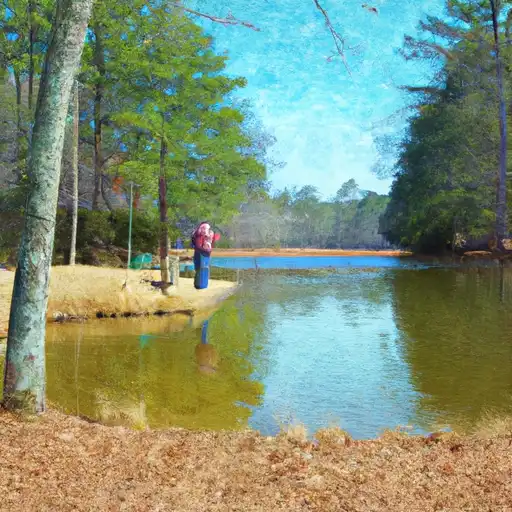
Boat launches, lakeside camping, fishing access, and other reservoirs near Stackhouse Dam.
Boat launches
See all →


Campgrounds
See all →


Fishing spots
See all →



River runs
See all →




More reservoirs
See all →
About Stackhouse Dam
Where does the data for Stackhouse Dam come from?
Structural and regulatory data come from the U.S. Army Corps of Engineers' National Inventory of Dams (NID). Weather forecast comes from NOAA / yr.no -- the same feed Snoflo's iOS app uses.
How often is the report updated?
NID structural data refreshes annually as the Corps publishes updated assessments. The weather forecast refreshes throughout the day.
What does the Significant hazard rating mean?
The Corps of Engineers' hazard potential classification grades probable consequences if the dam fails: High = probable loss of human life; Significant = no probable loss of human life but possible economic loss / environmental damage; Low = no probable loss of human life, only minor economic / environmental losses. See the Dam Data Reference card below for the full definitions.
What's "% of normal"?
The current storage value compared to the historical average storage on this calendar day. 100% = right on average; values above 100% mean above-normal storage (wet year); values below mean below-normal (dry year or drought).
Can I get alerts when storage crosses a threshold?
Yes -- alerts are managed in the Snoflo iOS app. Favorite this dam, set a threshold, and you'll get a push the moment conditions cross.
Dam data reference
Condition Assessment
- Satisfactory
- No existing or potential dam safety deficiencies are recognized. Acceptable performance is expected under all loading conditions (static, hydrologic, seismic) in accordance with the minimum applicable state or federal regulatory criteria or tolerable risk guidelines.
- Fair
- No existing dam safety deficiencies are recognized for normal operating conditions. Rare or extreme hydrologic and/or seismic events may result in a dam safety deficiency. Risk may be in the range to take further action.
- Poor
- A dam safety deficiency is recognized for normal operating conditions which may realistically occur. Remedial action is necessary. POOR may also be used when uncertainties exist as to critical analysis parameters which identify a potential dam safety deficiency.
- Unsatisfactory
- A dam safety deficiency is recognized that requires immediate or emergency remedial action for problem resolution.
- Not Rated
- The dam has not been inspected, is not under state or federal jurisdiction, or has been inspected but, for whatever reason, has not been rated.
Hazard Potential Classification
- High
- Dams assigned the high hazard potential classification are those where failure or mis-operation will probably cause loss of human life.
- Significant
- Dams assigned the significant hazard potential classification are those dams where failure or mis-operation results in no probable loss of human life but can cause economic loss, environmental damage, disruption of lifeline facilities, or impact other concerns. Significant hazard potential classification dams are often located in predominantly rural or agricultural areas but could be in areas with population and significant infrastructure.
- Low
- Dams assigned the low hazard potential classification are those where failure or mis-operation results in no probable loss of human life and low economic and/or environmental losses. Losses are principally limited to the owner's property.
- Undetermined
- Dams for which a downstream hazard potential has not been designated or is not provided.