Lee Creek At Short Flow Report
As of October 22, 2026, Lee Creek At Short is flowing at 0 cfs with a gage height of 1.53 ft, receding 100% over the past 24 hours. Source: USGS gauge #07249800, refreshed throughout the day.
Lee Creek At Short at a glance
Live reading, 10-day trend, and the key gauge stats — how Lee Creek At Short is running right now.
Historical Data
Engineering Data
Flow-duration statistics and observed peak-flow context computed from this gauge’s complete daily record (USGS #07249800).
Flow-duration & observed peak context
Estimate flows at an ungauged site
Drainage-area ratio transfer from this gauge . Most reliable for hydrologically similar sites in the same watershed with area ratios between roughly 0.5 and 1.5.
Percentiles are flow-duration values computed from this gauge’s observed daily record as archived by Snoflo. Return periods are Weibull plotting-position estimates from observed annual maxima, provided as general reference context only. Always verify against official USGS NWIS records. Part of Snoflo for Engineering.
How does this compare to past years?
Year-over-year overlay, annual peak discharge, the full distribution of daily flows on record, and the gauge's rating curve.
Weather Forecast
Next 5 days, hour by hour
Temperature line with weather symbols on top, snow + rain accumulation as columns, humidity as a dotted line.
5-day forecast table
Every 3 hours, broken out across temperature, snow, rain, humidity, and wind.
| Time | Condition | Temp (°F) | Snow (in) | Rain (in) | Humidity (%) | Wind (mps) | Wind dir |
|---|---|---|---|---|---|---|---|
| Loading detailed forecast… | |||||||
15-day forecast
Daily temperatures, snow, and rain projected over the next two weeks.
Lee Creek At Short
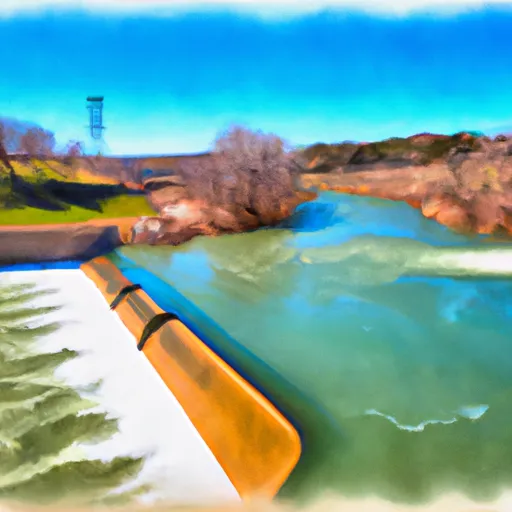
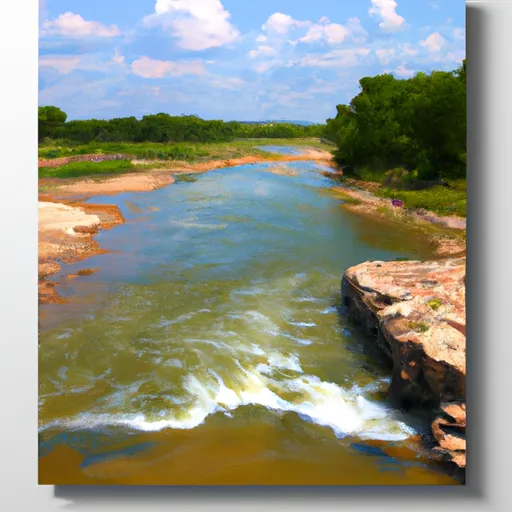
The creek is fed by a number of smaller tributaries and is also regulated by W.D. Mayo Lock and Dam. The flow rate of Lee Creek is influenced by seasonal changes, with high flows typically occurring during the spring and fall, and low flows during the summer months. Interestingly, the hydrology of the creek has been the subject of studies related to the effects of land use practices, such as timber harvesting and livestock grazing, on water quality. Overall, Lee Creek at Short, OK is an important gauge that can help inform water management practices in the area.
Nearby streamflow levels
Cross-check Lee Creek At Short's discharge against nearby gauges to spot whether the change here is local or regional.
| Gauge | Streamflow |
|---|---|
| Lee Creek At Short | 0 cfs |
| Little Lee Creek Near Short | 0 cfs |
| Lee Creek Near Short | 0 cfs |
| Arkansas River At Ft. Smith | 1,750 cfs |
| Baron Fork At Dutch Mills | 2 cfs |
| Caney Creek Near Barber | 12 cfs |











River levels & flood safety
- Read the level before you go
- A river that's runnable at one flow can be deadly at another. Check current discharge and gage height — like the values shown above — against the flood-stage thresholds, and remember levels can spike fast after rain or a dam release.
- Respect cold water
- Snowmelt rivers run cold even in summer. Sudden immersion triggers cold-water shock and saps strength within minutes. Wear a PFD, dress for the water temperature (not the air), and never wade or paddle alone.
- Watch for swiftwater hazards
- Strainers (downed trees), undercut rocks, and low-head dams are the deadliest features on moving water. High, fast, muddy water hides them. If in doubt, scout from shore and portage.
- Mind flash floods & releases
- Narrow canyons can flood from a storm miles upstream, and dam-controlled reaches can rise without warning. Know the forecast, the release schedule, and your exit before you launch.
Track Lee Creek At Short in the Snoflo app
Save this gauge as a favorite, set push alerts when streamflow crosses a threshold (e.g. "alert me when Lee Creek At Short crosses 5,000 cfs"), and Snoflo's iOS app will push the moment USGS reports the crossing.
About Lee Creek At Short
What is the Lee Creek At Short flow rate right now?
As of October 22, 2026, Lee Creek At Short is flowing at 0 cfs. The live value, gage height, and 24-hour trend are shown at the top of this page.
Is the Lee Creek At Short running high or low right now?
Check the percent of median figure on this page: above 100% means Lee Creek At Short is running higher than normal for the date, below 100% means lower. The 24-hour trend shows whether it's rising or falling.
Where does the streamflow data for Lee Creek At Short come from?
Discharge, gage height, and water temperature come directly from the USGS streamflow gauge 07249800. Snoflo refreshes the time series throughout the day. Forecasts come from the NOAA / yr.no feed Snoflo's iOS app uses.
How often is the report updated?
USGS gauges report continuously (typically every 15 minutes). Snoflo pulls fresh values throughout the day — look for the "as of" timestamp on the streamflow hero card.
What's the difference between discharge and gage height?
Discharge (cubic feet per second, or cfs) is the volume of water flowing past the gauge each second. Gage height is how high the water sits at the gauge (feet). They're related by a rating curve specific to each gauge — higher water means more flow, but the exact ratio depends on channel shape.
How is "percent of median" calculated?
Today's discharge is compared to the historical median discharge on this calendar day across the gauge's full record. 100% = right on median; 200% = a very high year; 30% = a drought-level low.
What are flood stages, and is this river safe right now?
Flood stages are NWS-defined gage-height thresholds — Action, Minor, Moderate, Major — marking when nearby roads or floodplains start to be affected. "Safe" depends on your activity and skill: a level that's a fun paddle for an expert can be lethal for a wader. Always check the current level against the thresholds above and the safety links, and when in doubt, stay off the water.
Can I get alerts when Lee Creek At Short rises?
Yes — flow alerts are managed in the Snoflo iOS app. Favorite this gauge, set a streamflow threshold (e.g. "alert me when discharge crosses 5,000 cfs"), and you'll get a push the moment USGS reports the crossing.
Create a free account, or sign in.
Get the free Lee Creek At Short report — flow alerts, favorites, and history & forecasts, plus the free iPhone app.