Oregon Snowpack & Snow Report
As of Oct 11, 2026, Oregon's snowpack is at 14% of normal across 38 SNOTEL stations — the deepest is 18" at Mt Hood Test Site. Live SNOTEL snow depth, snowfall, snow-water equivalent, and 5-day forecasts for every mountain in Oregon.
Oregon snow map
See Oregon’s snow on a live map
Every snow station and ski area, one tap each:
- On the ground — how deep it is now
- Last 24 hrs — who got new snow
- Coming up — 24/48/72-hr forecast, press play
✓ Free for 7 days · ✓ Cancel anytime
Oregon snow conditions today
What’s on the ground, how it compares to normal and what’s coming — refreshed daily from SNOTEL and NOAA.
Oregon's snowpack is at 14% of normal for today's date — well below the 70% drought-stress threshold. The deepest station is Mt Hood Test Site with 18" on the ground (seasonal average 81"). Nohrsc Aneroid Lake #2 is the coldest right now at 50°F.
The Oregon snowpack is monitored by the USDA NRCS SNOTEL network — automated stations sitting on the mountain that report snow depth, snow water equivalent (SWE), and air temperature every hour. Snoflo joins those live readings to a 5-day NOAA forecast for each station so you can see what's on the ground and what's coming.
Use the SNOTEL inventory below to find the closest station to where you're headed. Percent of normal tells you how today's snowpack compares to the historical average for the same date — below 70% is drought-stressed; above 130% is a fat year. Snow water content (SWC) indicates how wet and dense the snowpack is — useful for water-supply planning and avalanche stability assessment.
For backcountry travel always cross-reference with your regional avalanche center at avalanche.org.
Oregon snow report
| Snowpack monitoring site | Snowpack (in) | Snowfall (in) | 24hr fcst (in) | Next 72hrs (in) | Temp (°F) | % Normal | SWC (%) | Watershed | Elevation (ft) |
|---|---|---|---|---|---|---|---|---|---|
|
Arbuckle Mtn, Or
Site 304 |
9 | 0 | 0 | 0 | 56 | % | 33% | Umatilla | 5,770 |
|
Mt. Hood Meadows Base, Or
Site MHM54_MADIS |
8 | 0 | 0 | 0 | 35 | % | % | Middle Columbia-Hood | 5,389 |
|
Summit Lake, Or
Site 801 |
5 | 1 | 0 | 0 | 55 | % | · | Little Deschutes | 5,610 |
|
Timberline Lodge, Or
Site TIM59_MADIS |
5 | 0 | 0 | 0 | 38 | % | % | Lower Columbia-Sandy | 5,888 |
|
Skibowl Summit, Or
Site GVT50_MADIS |
4 | 0 | 0 | 0 | 36 | % | % | Lower Columbia-Sandy | 4,989 |
|
Nohrsc Lake Creek R.S., Or
Site LKCO3 |
2 | 0 | 0 | 0 | 48 | % | · | Upper Malheur | 5,261 |
|
Lake Creek R.S., Or
Site 563 |
2 | 0 | 0 | 0 | 47 | % | · | Upper Malheur | 5,240 |
|
Mt Hood Test Site, Or
Site 651 |
2 | 0 | 0 | 0 | 38 | % | · | Lower Columbia-Sandy | 5,370 |
|
Wolf Creek, Or
Site 873 |
2 | 0 | 0 | 0 | 44 | % | 5% | Powder | 5,630 |
|
Mt Hood Test Site, Or
Site MTHO3 |
2 | 0 | 0 | 0 | 38 | % | · | Lower Columbia-Sandy | 5,409 |
|
Nohrsc West Branch, Or
Site WBRI1 |
2 | 0 | 0 | 1 | 46 | % | % | Little Salmon | 5,625 |
|
Nohrsc Wolf Creek, Or
Site WFCO3 |
2 | 0 | 0 | 0 | 39 | % | 5% | Powder | 5,737 |
|
Annie Springs, Or
Site 1000 |
1 | 1 | 0 | 0 | 43 | % | · | Upper Klamath Lake | 6,010 |
|
Bear Grass, Or
Site 1166 |
1 | 0 | 0 | 0 | 45 | % | · | Mckenzie | 4,720 |
|
Blazed Alder, Or
Site 351 |
1 | 0 | 0 | 0 | 41 | % | · | Lower Columbia-Sandy | 3,650 |
|
Bowman Springs, Or
Site 362 |
1 | 1 | 0 | 0 | 43 | % | · | Upper Grande Ronde | 4,530 |
|
Chemult Alternate, Or
Site 395 |
1 | 1 | 0 | 0 | 50 | % | 10% | Williamson | 4,850 |
|
Cold Springs Camp, Or
Site 406 |
1 | 1 | 0 | 0 | 45 | % | · | Upper Klamath Lake | 5,940 |
|
County Line, Or
Site 422 |
1 | 0 | 0 | 0 | 43 | % | · | Upper Grande Ronde | 4,830 |
|
Eilertson Meadows, Or
Site 464 |
1 | 0 | 0 | 0 | 43 | % | · | Powder | 5,510 |
|
Mt. Howard, Or
Site 653 |
1 | 0 | 0 | 2 | 32 | % | · | Wallowa | 7,910 |
|
North Fork, Or
Site 666 |
1 | 0 | 0 | 0 | 44 | % | · | Lower Columbia-Sandy | 3,060 |
|
Peavine Ridge, Or
Site 687 |
1 | 0 | 0 | 0 | 44 | % | · | Clackamas | 3,420 |
|
Red Hill, Or
Site 712 |
1 | 0 | 0 | 0 | 41 | % | 40% | Middle Columbia-Hood | 4,410 |
|
Silver Creek, Or
Site 756 |
1 | 0 | 0 | 0 | 48 | % | · | Summer Lake | 5,740 |
|
Smith Ridge, Or
Site 1167 |
1 | 0 | 0 | 0 | 48 | % | · | Mckenzie | 3,270 |
|
Sun Pass, Or
Site 1078 |
1 | 0 | 0 | 0 | 49 | % | · | Williamson | 5,400 |
|
Nohrsc Cold Springs Camp, Or
Site CSCO3 |
1 | 0 | 0 | 0 | 45 | % | · | Upper Klamath Lake | 5,983 |
|
Nohrsc North Fork, Or
Site NFRO3 |
1 | 0 | 0 | 0 | 44 | 0% | · | Lower Columbia-Sandy | 3,096 |
|
Nohrsc Mt. Howard, Or
Site MHWO3 |
1 | 0 | 0 | 2 | 32 | % | · | Wallowa | 7,852 |
|
Nohrsc Bear Grass, Or
Site BKSO3 |
1 | 0 | 0 | 0 | 39 | % | · | Mckenzie | 4,740 |
|
Nohrsc Moss Springs, Or
Site MOSO3 |
1 | 0 | 0 | 1 | 39 | 0% | 10% | Wallowa | 5,786 |
|
Nohrsc County Line, Or
Site COLO3 |
1 | 0 | 0 | 0 | 43 | % | · | North Fork John Day | 4,848 |
|
Silver Creek, Or
Site SVCO3 |
1 | 0 | 0 | 0 | 48 | % | % | Summer Lake | 5,763 |
|
Nohrsc Peavine Ridge, Or
Site PVRO3 |
1 | 0 | 0 | 0 | 44 | % | % | Clackamas | 3,467 |
|
Nohrsc Red Hill, Or
Site REDO3 |
1 | 0 | 0 | 0 | 41 | % | 40% | Middle Columbia-Hood | 4,415 |
|
Nohrsc Sun Pass, Or
Site SSSO3 |
1 | 0 | 0 | 0 | 50 | % | · | Upper Klamath Lake | 5,405 |
|
Nohrsc Eilertson Meadows, Or
Site EIMO3 |
1 | 0 | 0 | 0 | 43 | 100% | · | Powder | 5,520 |
Oregon ski forecast
Per-resort interactive weather forecasts for the next 15 days — temperature curve, precipitation bars, weather symbols, and humidity at every Oregon ski area Snoflo tracks.
-
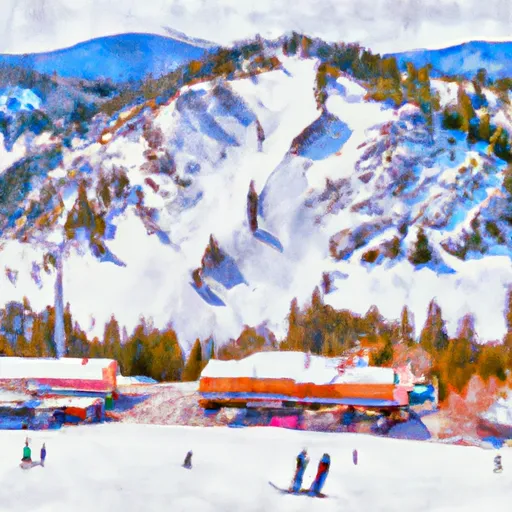 Anthony Lakes Mountain Resort15-day forecast
Ski report →
Anthony Lakes Mountain Resort15-day forecast
Ski report →
-
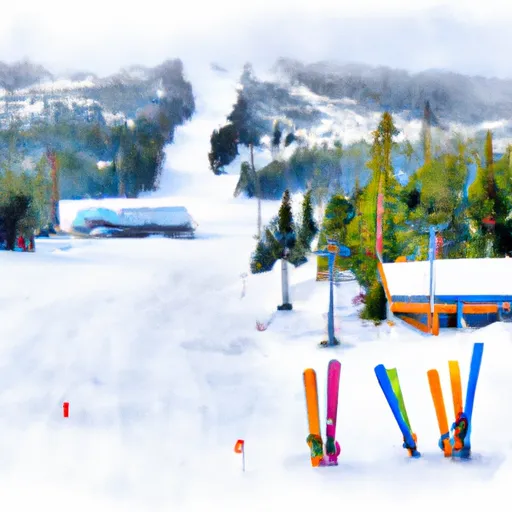 Hoodoo Ski Area15-day forecast
Ski report →
Hoodoo Ski Area15-day forecast
Ski report →
-
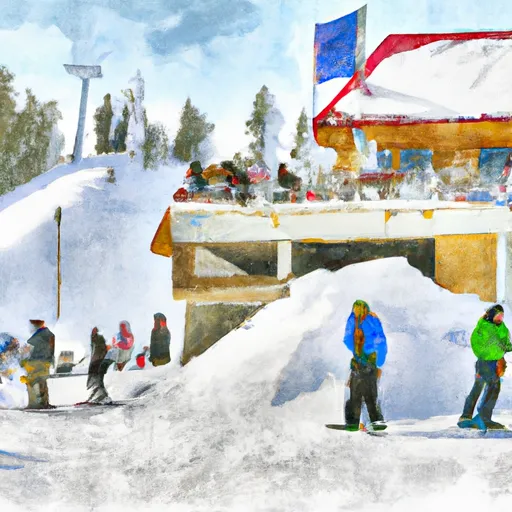 Mt. Ashland Ski & Snowboard Resort15-day forecast
Ski report →
Mt. Ashland Ski & Snowboard Resort15-day forecast
Ski report →
-
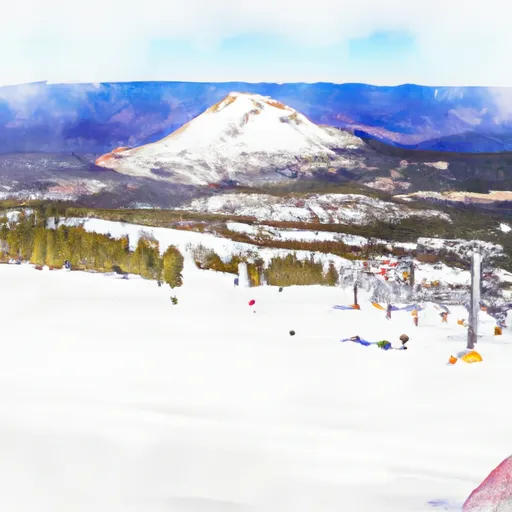 Mt. Bachelor15-day forecast
Ski report →
Mt. Bachelor15-day forecast
Ski report →
-
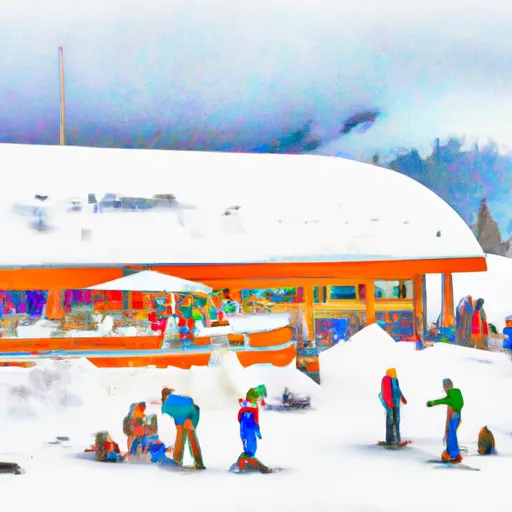 Mt. Hood Meadows Ski Resort15-day forecast
Ski report →
Mt. Hood Meadows Ski Resort15-day forecast
Ski report →
-
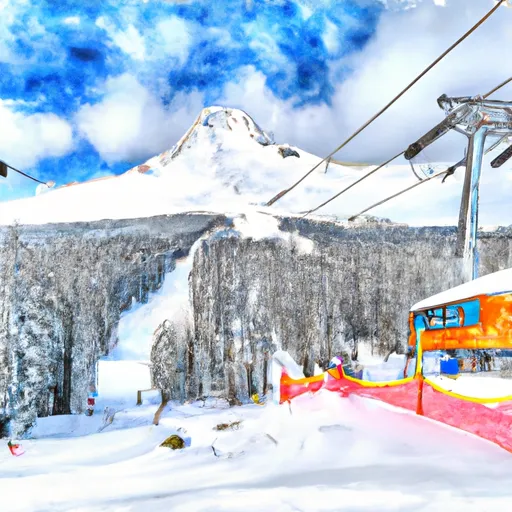 Mt. Hood Skibowl15-day forecast
Ski report →
Mt. Hood Skibowl15-day forecast
Ski report →
-
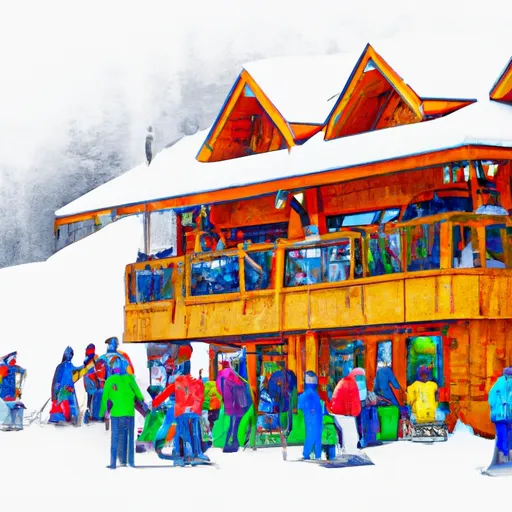 Spout Springs15-day forecast
Ski report →
Spout Springs15-day forecast
Ski report →
-
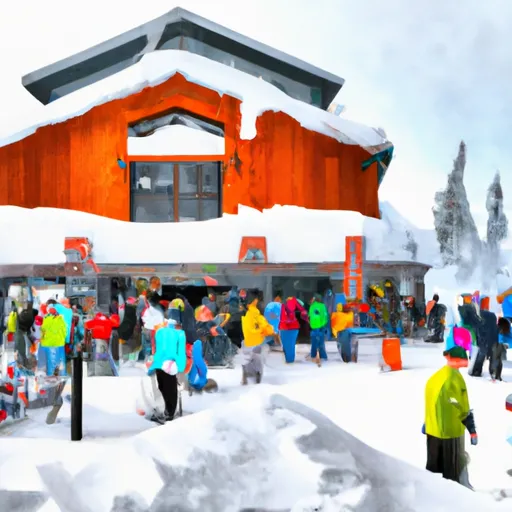 Timberline Ski Area15-day forecast
Ski report →
Timberline Ski Area15-day forecast
Ski report →
-
 Warner Canyon15-day forecast
Ski report →
Warner Canyon15-day forecast
Ski report →
-
 Willamette Pass15-day forecast
Ski report →
Willamette Pass15-day forecast
Ski report →
About Oregon snowpack
What is Oregon's snowpack right now?
As of October 11, 2026, Oregon's snowpack is at 14% of normal across 38 SNOTEL stations, and the deepest station is Mt Hood Test Site with 18" on the ground. The full SNOTEL table is below.
Where is the deepest snow in Oregon right now?
As of October 11, 2026, the deepest snowpack in Oregon is 18" at Mt Hood Test Site. See the SNOTEL station table for the full ranking by depth and snow-water equivalent.
Is Oregon's snowpack above or below normal?
Compare the statewide percent-of-normal on this page: 100% is right at the historical average for the date, below 70% is drought-stressed, and above 130% is a well-above-normal year. Each SNOTEL station also shows its own percent of normal.
Where does the Oregon snowpack data come from?
The USDA NRCS SNOTEL network (SNOpack TELemetry) -- automated mountain stations that continuously measure snow depth, snow water equivalent, precipitation, and air temperature. Snoflo aggregates the live readings and joins them to a 5-day NOAA forecast for each station.
What is Snow Water Equivalent (SWE)?
The depth of water you'd get if you melted the entire snowpack. A 30-inch snowpack with 8 inches of SWE is wetter and denser than one with 5 inches -- useful for water-supply forecasting and avalanche assessment. The "SWC %" column shows the ratio.
What does Percent Normal mean?
Current snowpack as a percentage of the historical average for the same date at that station. 100% is right at the historical norm. Below 70% indicates drought-stressed snowpack; above 130% is a fat year.
How fresh is the Oregon data?
SNOTEL stations transmit hourly; Snoflo re-pulls throughout the day. The 5-day forecasts regenerate from NOAA NOHRSC analysis fields and NWS forecast guidance.
Why are SNOTEL stations only in some states?
The NRCS SNOTEL network is concentrated in the western mountain U.S. -- where the snowpack drives federal water supply forecasts for irrigation, hydropower, and municipal water. Eastern snowpack is measured by other networks (CoCoRaHS, NWS) which Snoflo includes elsewhere.
Is this a substitute for the local avalanche center?
No. For backcountry travel always consult your regional avalanche forecast at avalanche.org. Snoflo is informational data only.